How to Grow Bok Choy
Brassica rapa subsp. chinensis

By Efraín Vega · Published November 15, 2026
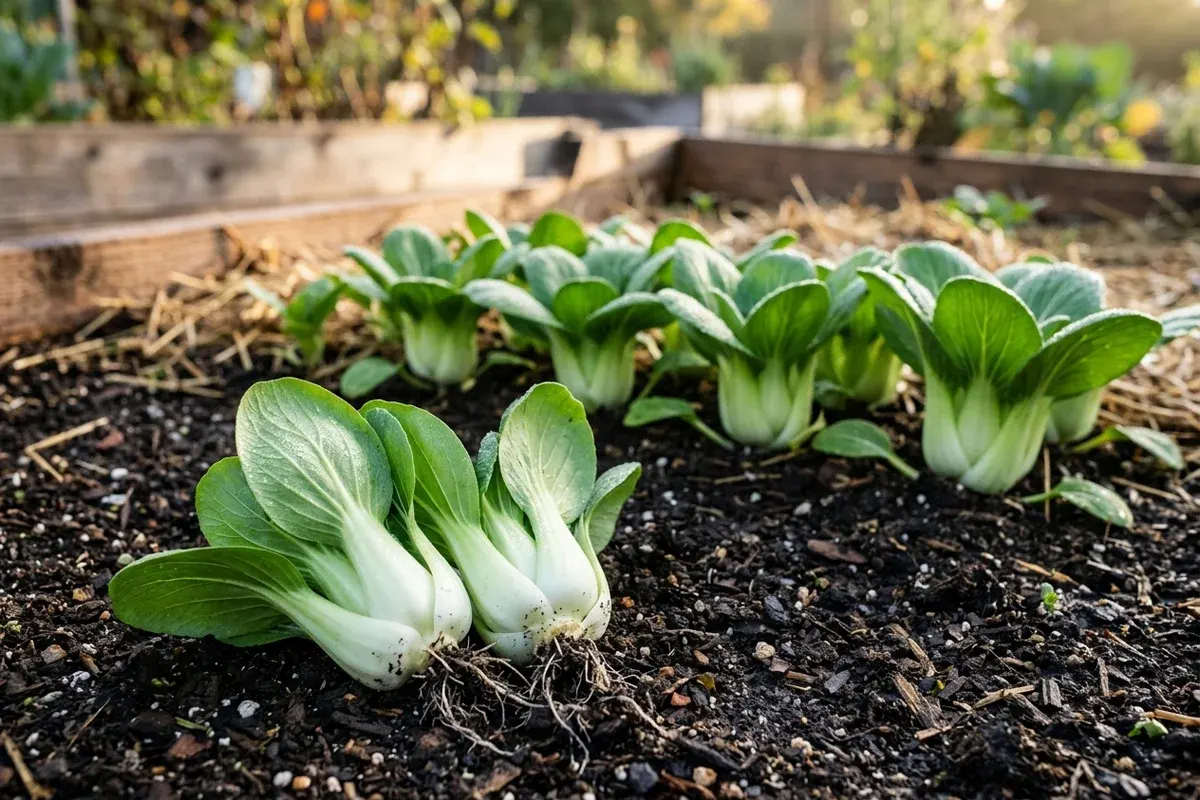
Sun
Full sun to partial shade (4–6+ hours direct sunlight daily; prefers afternoon shade in warm climates)
Water
High and consistent; 1 to 1.5 inches per week. Shallow root system cannot tolerate drying out
Spacing
6 inches apart for baby varieties (4 to 6 per sq ft); 10–12 inches apart for full-sized cultivars
Soil pH
6.0–7.0; rich, moisture-retentive loam packed with mature organic matter
Days to maturity
30–35 days for baby bok choy; 45–55 days for full-sized heads
Hardiness zones
Zones 2–11 grown as a fast cool-season spring and autumn annual
When to plant: Direct sow or transplant 3–4 weeks before last spring frost, or in late summer (6–8 weeks before fall frost) • Calculate planting dates for your city →
Bok choy (Brassica rapa subsp. chinensis), also known as pak choi or Chinese white cabbage, is one of the fastest, most productive greens in the kitchen garden. With juicy, crunchy stalks that resemble celery and tender, spinach-like dark green leaves, bok choy bridges the gap between salad greens and braising brassicas.
Because baby varieties mature in barely 30 to 35 days from seed, bok choy is the ultimate filler crop for raised beds in early spring before tomatoes take over, or in late summer for crisp autumn stir-fries and soups.
Variety Selection: Baby vs Full-Sized Heads
Choosing the right cultivar determines your days to harvest and heat tolerance:
| Variety | Type | Days to Harvest | Mature Height | Best Culinary Use |
|---|---|---|---|---|
| Shanghai Green | Baby Pak Choi | 30–35 days | 5"–7" tall | Steaming whole, stir-fries, tender raw salads |
| Ching Chiang | Early Dwarf | 35–40 days | 6"–8" tall | Quick sautés; superior bolt resistance in variable spring weather |
| Extra Dwarf Pak Choy | Micro / Container | 25–30 days | 3"–4" miniature | Intensive container gardening and windowsill planters |
| Joi Choi | Full-Sized Hybrid | 45–50 days | 12"–16" tall | Heavy crisp white stalks for long-simmering noodle bowls |
| Purple Bok Choy | Specialty Heirloom | 35–45 days | 6"–8" tall | Rich anthocyanin coloration with sweet peppery crunch |
Sowing & Succession Planting Timetable
Bok choy grows so rapidly that sowing an entire seed packet at once will flood your kitchen with more heads than you can eat. Sow small patches every 10 to 14 days for a continuous seasonal harvest:
          BOK CHOY SUCCESSION ROTATION CALENDAR:

  Spring Batch 1:   Direct sow under Low Tunnel (4 weeks before last frost)
  Spring Batch 2:   Direct sow in open raised bed (2 weeks before last frost)
  ── Summer Pause ── (Skip midsummer heat to avoid premature bolting)
  Fall Batch 1:     Direct sow mid-to-late summer (8 weeks before first frost)
  Fall Batch 2:     Direct sow late summer (5 weeks before first frost)
  Winter Batch:     Hold mature autumn heads under Cold Frame or Low Tunnel
- Sowing Depth: Sow seeds 1/4 to 1/2 inch deep in crumbly, well-aerated soil.
- Germination: Seeds sprout rapidly in 3 to 6 days when soil temperatures are between 50°F and 70°F.
- Spacing: Thin baby cultivars to 6 inches apart (or 4 to 6 plants per square foot). Thin full-sized cultivars to 10 to 12 inches apart.
Check regional frost dates with our First and Last Frost Date Guide or customize dates with our interactive Planting Calendar Tool.
Soil Fertility and Water Management
Bok choy has a dense, shallow root system that demands consistent moisture to develop succulent, tender stalks:
- Soil Structure: Rich, moisture-retentive sandy loam loaded with aged compost. Clumpy dry clay creates stringy, bitter stems. Size compost and fill with our Raised Bed Soil Calculator.
- Watering: Provide 1 to 1.5 inches of water per week. Never allow the root zone to dry out completely. Drought stress signals immediate reproductive distress, triggering premature bolting.
- Mulching: Apply a 2-inch layer of clean straw, pine straw, or shredded leaves around seedlings once they are 3 inches tall. Mulch conserves soil moisture and moderates root temperature during hot spells. Calculate mulch needs using our Mulch Calculator.
Avoid Summer Heat Spikes
Bok choy will bolt the moment daytime temperatures consistently top 80°F (27°C). If growing during warm late-spring spells, drape a 30% to 40% black shade cloth over the bed or plant where tall trellised cucumbers provide dappled afternoon shade.
Companion Planting for Pest Defense
Like all tender brassicas, bok choy is vulnerable to flea beetles, aphids, and cabbage loopers:
- Aromatic Herbs (Mint, Rosemary, Thyme): Pungent essential oils mask the volatile sulfur scent of brassica foliage, confusing egg-laying cabbage moths and flea beetles.
- Alliums (Garlic, Onion, Chives): Natural sulfur aromatics repel flying insect vectors and suppress soil pathogens.
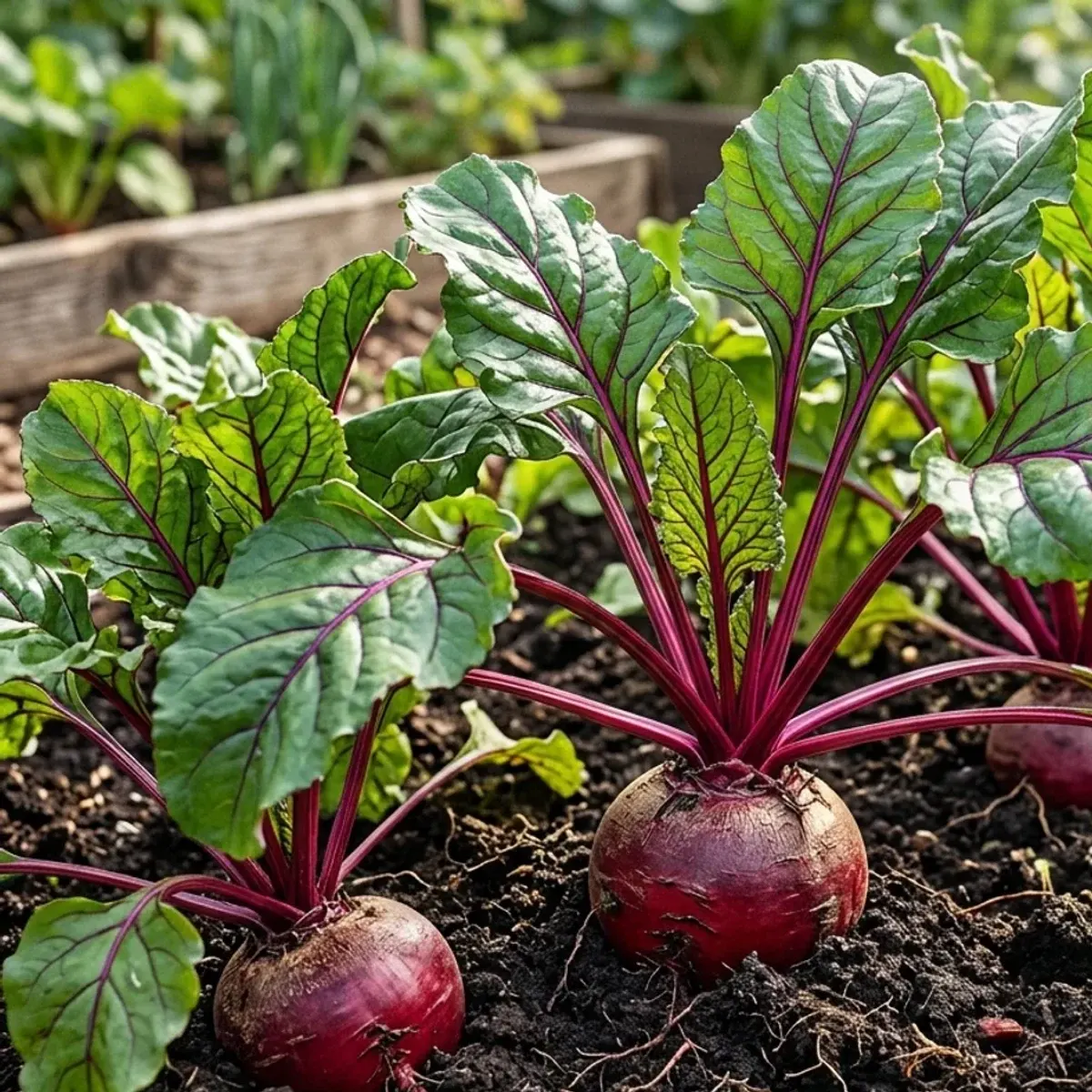
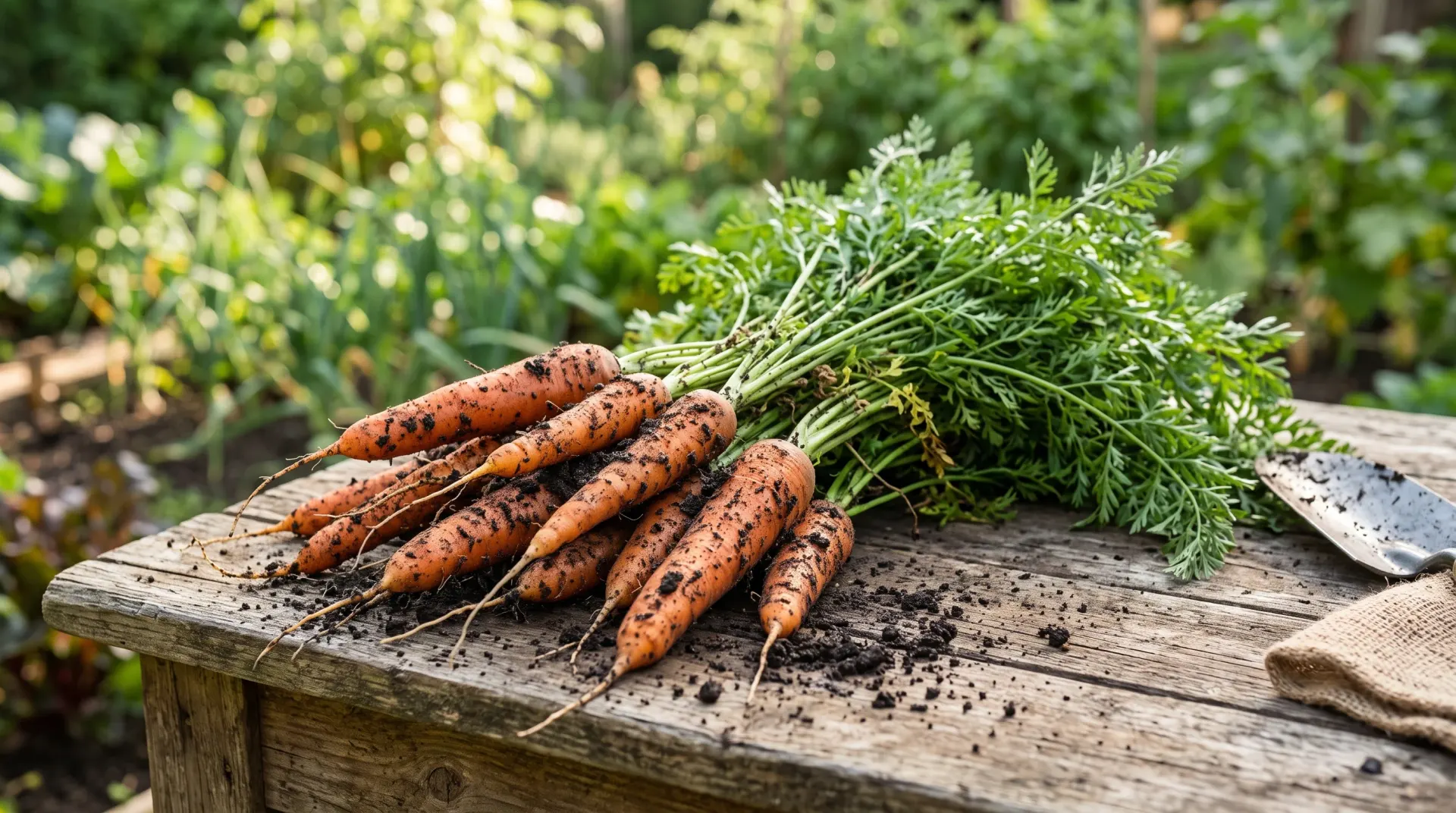
- Carrots & Beets (Carrot Profile, Beet Profile): Feed at deeper subterranean soil strata without encroaching on shallow bok choy root crowns.
- Marigolds (Marigold): Provide vibrant pollinator flowers and secrete root nematicides.
Plants to Keep Away
Keep bok choy away from sprawling Tomatoes or aggressive climbing Pole Beans. Dense summer vines create heavy shade that starves bok choy of the light needed to form tight, succulent vase heads. Verify pairs in our Companion Plant Checker.
Harvesting Techniques
            TWO WAYS TO HARVEST BOK CHOY:

  Method A: Whole Head Cut           Method B: Cut-and-Come-Again
       \  │  /                            \     /
        \ │ /                              \ │ /  (Leave inner 4–5 leaves)
       ───█───  ◄── Slice at soil         ───█───
        /   \       level with knife.     /     \
                                       Snap outer 2–3 stalks
                                       every 5 days.
- Cut-and-Come-Again (Longest Harvest): When plants are 25 to 30 days old, snap off the largest 2 to 3 outer stalks at the base of the plant. The central crown will continue producing new stalks for several weeks.
- Whole Head Harvest: For classic stir-fry presentation, slice through the base of the stem 1/2 inch above the soil line with a sharp harvest knife.
- Cold-Weather Storage: Wash thoroughly to remove garden loam, shake dry, and store in a perforated bag in your refrigerator crisper at 34°F–38°F (1°C–3°C) for up to 10 to 14 days.
Related Guides & Planning Tools
- DIY Low Tunnel Hoop Greenhouse — Inexpensive season extension for winter greens.
- DIY Cedar Cold Frame Guide — Passive solar protection for sub-zero harvests.
- First & Last Frost Dates by City — Sowing timetables and regional freeze normals.
- Raised Bed Soil Calculator — Optimize nutrient-dense soil blends for fast greens.
- Companion Plant Checker — Cross-reference optimal pairings across your vegetable beds.
Beneficial Companion Plants for Bok Choy
FAQ
What is the difference between baby bok choy and regular bok choy?
Baby bok choy (such as 'Shanghai Green' or 'Ching Chiang') matures in just 30 to 35 days, reaching 5 to 7 inches tall with tender, pale-green spoon stalks and sweet flavor throughout. Regular bok choy (like 'Joi Choi') takes 50 days, growing 12 to 18 inches tall with thick, crunchy, porcelain-white stalks and dark green leaves.
Why did my bok choy bolt (flower) prematurely?
Bok choy is photoperiod- and temperature-sensitive. It bolts (sends up yellow flower stalks and turns bitter) when exposed to lengthening summer daylight combined with temperatures exceeding 75°F to 80°F, or when young spring seedlings experience sudden cold snaps below 40°F. For best results, grow bok choy during cooling late-summer and autumn conditions.
Can you harvest bok choy using the cut-and-come-again method?
Yes. Rather than severing the whole head at ground level, you can harvest the mature outer stalks individually once they reach 4 to 6 inches long, leaving the inner central heart to continue growing. A single bok choy plant can provide continuous leaf harvests for 3 to 4 weeks.
How do you protect bok choy leaves from flea beetle holes?
Flea beetles are the most notorious pest of tender Asian brassicas, riddling the succulent leaves with tiny shotholes. Install ultra-fine insect netting or floating row covers immediately after seeding, tucking the edges firmly into the soil. Interplanting with strong aromatic herbs like mint and alliums also provides natural repellency.
How cold-hardy is bok choy in winter?
Bok choy easily withstands light frost down to 25°F (-4°C), which actually enhances its sweetness by converting starches to natural plant sugars. Under an unheated [low tunnel hoop house](/blog/garden-structures/how-to-build-a-low-tunnel-greenhouse) or [cold frame](/blog/garden-structures/how-to-build-a-cold-frame), bok choy can be harvested throughout freezing winter weather.