How to Grow Brussels Sprouts
Brassica oleracea var. gemmifera

By Efraín Vega · Published November 13, 2026
Sun
Full sun (6–8 hrs)
Water
1–1.5 inches per week — consistent moisture prevents loose, bitter sprouts
Spacing
18–24 in apart
Soil pH
6.5–7.5 (firm, slightly alkaline soil suppresses clubroot fungus)
Days to maturity
90–120 days from transplant
Hardiness zones
Annual in zones 2–11; tolerates freezing temperatures down to 20°F
When to plant: Transplant in early to mid-summer for late autumn and winter harvest • Calculate planting dates for your city →
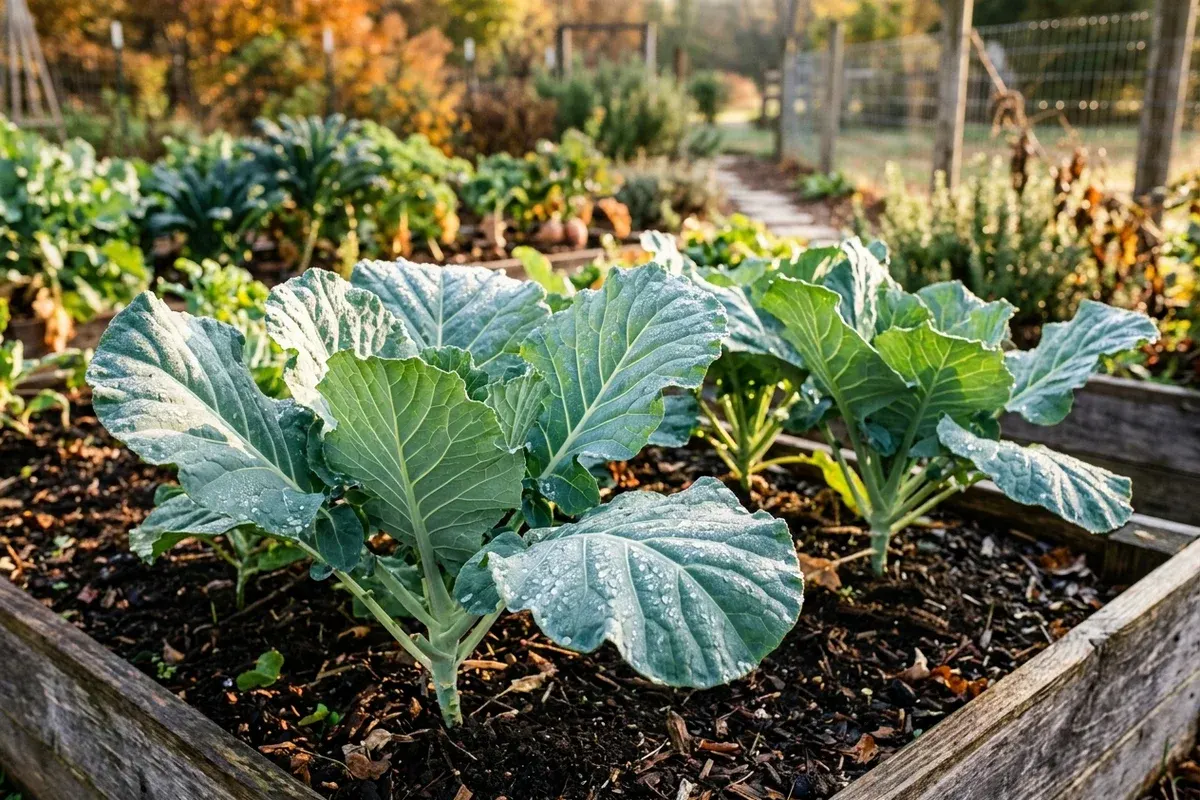
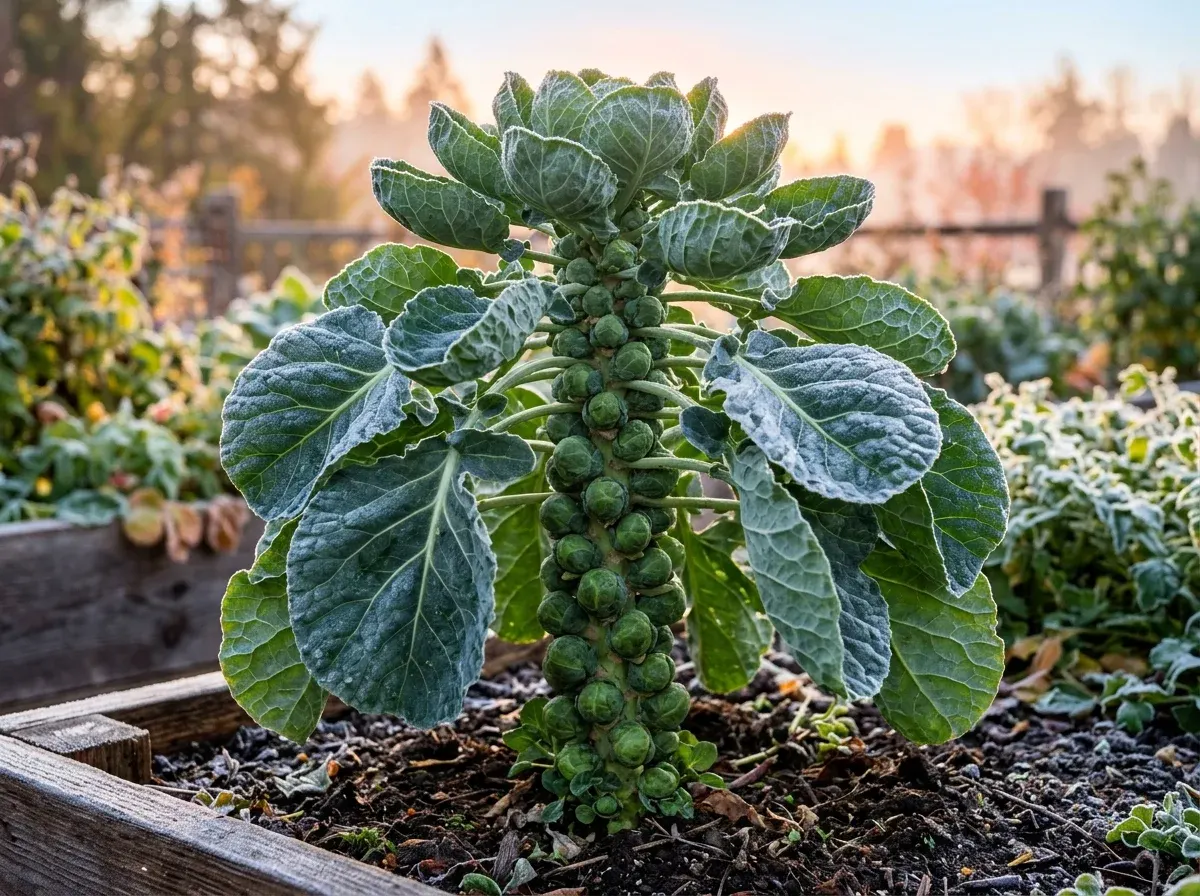
Brussels sprouts (Brassica oleracea var. gemmifera) are the ultimate cold-season trophy crop. While they require patience—taking 90 to 120 days from transplanting to mature—few vegetables can match the thrill of harvesting sweet, tender green spheres from a frost-covered garden in November or December.
Beginner gardeners often fail with Brussels sprouts by planting them in early spring; warm summer heat causes the sprouts to blow open into bitter, unpalatable mini leaves. The secret to dense, restaurant-quality sprouts is timing your harvest for crisp autumn frosts.
Growth Timeline & Seasonal Timing
Brussels sprouts develop best when daytime temperatures range between 60°F and 68°F and nights drop into the 40s or 30s during their final 4 weeks of growth:
  [Mid-Summer Transplanting] =====> [Early Fall: Stalk Elongation] =====> [Late Fall: Cold Sweetening]
          (June - July)                     (August - September)                 (October - December)
       Roots & foliage establish          Mini sprouts form at leaf axils      Frosts trigger sugar conversion
- Northern Climates (Zones 3–6): Start seeds indoors in late May and transplant seedlings outdoors in late June to early July for an October–November harvest.
- Southern & Coastal Climates (Zones 7–10): Transplant seedlings in August or September for winter and early spring harvests.
Soil Requirements and Wind Staking
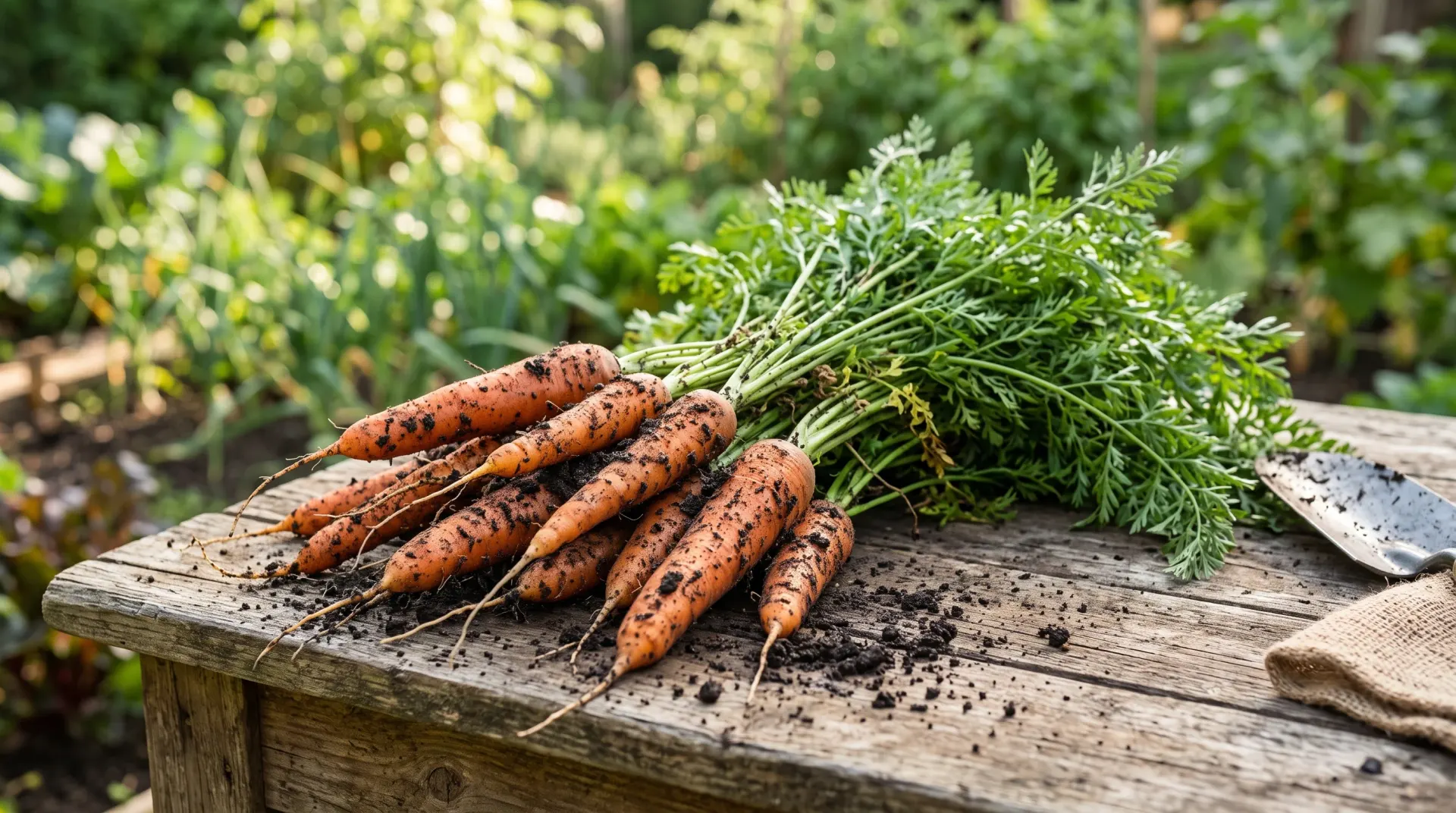
Unlike loose-soil crops like carrots, Brussels sprouts prefer firm, heavy, well-anchored soil:
- Soil Compaction & Sturdiness: As the central stalk grows 2.5 to 3 feet tall with heavy top leaves, summer winds can easily rock and loosen the root system. Firm the soil around the base of the plant with your hands at planting time.
- Support Stakes: Pound a 3-foot wooden garden stake or rebar adjacent to each stalk once plants reach 18 inches tall, loosely securing with soft twine to prevent lodging during fall storms.
- Soil pH: Maintain a pH of 6.5 to 7.5. Slightly alkaline soil with adequate calcium suppresses Plasmodiophora brassicae (clubroot disease), a destructive soil fungus that attacks brassica roots.
Use Our Raised Bed Calculator
Calculate high-calcium, compost-rich soil blends for deep brassica root penetration using our Raised Bed Soil Calculator.
Pruning & the "Topping" Technique
To get a uniform, heavy harvest along the entire vertical stalk:
- Lower Leaf Stripping: Starting in late summer, snap off the bottom leaves as the lowest sprouts swell to thumbnail size. Keep at least 6 to 8 healthy umbrella leaves at the very top of the stalk to maintain photosynthesis.
- Apical Topping (Pinching the Crown): In mid-autumn (around 3 to 4 weeks before your anticipated hard freeze), cut off the topmost growing tip. Without an active terminal leader, the plant diverts 100% of its sap into plumping the top miniature sprouts, yielding a fully harvestable stalk from bottom to top.
Companion Planting Synergies
Brussels sprouts are vulnerable to cabbage loopers, flea beetles, and diamondback moths. Strategic aromatic companion planting creates a protective defense grid:
- Aromatic Herbs (Dill, Rosemary, Sage, Thyme): Volatile essential oils from Sage and Rosemary disguise the distinct cruciferous scent that attracts egg-laying cabbage white butterflies.
- Dill & Parsley: Umbrella blossoms attract parasitic mini-wasps (Trichogramma) whose larvae naturally prey on cabbage worms.
- Alliums (Chives, Onions, Garlic): Pungent sulfur volatiles repel aphids and subterranean root maggots.
Brassica Antagonists
Never plant Brussels sprouts directly adjacent to strawberries or tomatoes. Tomatoes and brassicas share heavy potassium and trace nutrient demands, leading to stunted curd and sprout formation.
Harvesting Technique
Sprouts mature from the bottom of the stalk upward:
- Harvest individual sprouts when they reach 1 to 1.5 inches in diameter, firm, and tightly wrapped.
- Grasp the sprout firmly between your fingers and snap it downward or twist until it pops cleanly off the main stalk.
- Alternatively, cut the entire stalk off at ground level with a sharp harvesting knife, strip the leaves, and store the intact sprout-laden stalk in a cold garage or root cellar for weeks of fresh eating.
Sources: Brussels Sprouts — University of Minnesota Extension, Growing Brussels Sprouts in Home Gardens — Cornell Cooperative Extension.
Beneficial Companion Plants for Brussels Sprouts
Plant brussels sprouts near: Dill, Rosemary, Sage, Thyme, Onion.
FAQ
Why are my Brussels sprouts loose and leafy instead of tight balls?
Loose, leafy, or blown-open sprouts are usually caused by warm temperatures during the sprout-forming stage (above 75°F) or excessive synthetic nitrogen fertilizer, which forces rapid, airy leaf growth instead of dense, compact heads. Planting in mid-summer so sprouts form in crisp autumn weather resolves this.
How and when do you 'top' a Brussels sprouts plant?
Approximately 3 to 4 weeks before your region's first expected hard killing freeze, pinch or prune off the top 1 to 2 inches of the apical growing tip (the topmost terminal cluster of small leaves). This cuts off upward vegetative growth and forces the plant's vascular energy into swelling the smaller, immature upper sprouts to harvestable size.
Does frost really make Brussels sprouts taste sweeter?
Yes, scientifically. When brassicas experience near-freezing temperatures and light frosts, the plant responds to cold stress by breaking down complex starches into simple, soluble sugars (glucose and fructose). These sugars act as a natural biological antifreeze to protect plant cell membranes, dramatically mellowing sulfur compounds and making the sprouts remarkably sweet and tender.
Should you remove the lower leaves from the stalk?
Yes. As the bottom sprouts begin to size up into small marbles, use clean shears or snap off the adjacent lower fan leaves at the stem. Removing lower foliage improves air circulation, deters cabbage aphids and fungal mildew, and allows sunlight to reach the forming sprouts.
Can Brussels sprouts survive winter snow and freezing temperatures?
Brussels sprouts are one of the most freeze-resistant vegetables in the garden, easily surviving repeated frosts down to 20°F (-6°C). In USDA zones 7 and warmer, stalks can stand in the garden covered in light snow for fresh harvests straight through January.