How to Grow Cabbages
Brassica oleracea var. capitata

By Efraín Vega · Published October 29, 2026 · Last updated November 16, 2026
Sun
Full sun (6+ hrs); light partial shade in warm southern climates
Water
1–1.5 in/week; crucial to maintain consistent moisture to prevent head splitting
Spacing
12–18 in apart for small/early varieties; 18–24 in apart for large late storage varieties
Soil pH
6.5–7.2 (slightly alkaline to neutral; higher pH suppresses clubroot disease)
Days to maturity
60–70 days for early spring heads; 85–110 days for late winter-storage types
Hardiness zones
2–11 as an annual; mature heads tolerate light frosts down to 26°F
When to plant: Early spring (4 weeks before last frost) or midsummer for an autumn harvest • Calculate planting dates for your city →
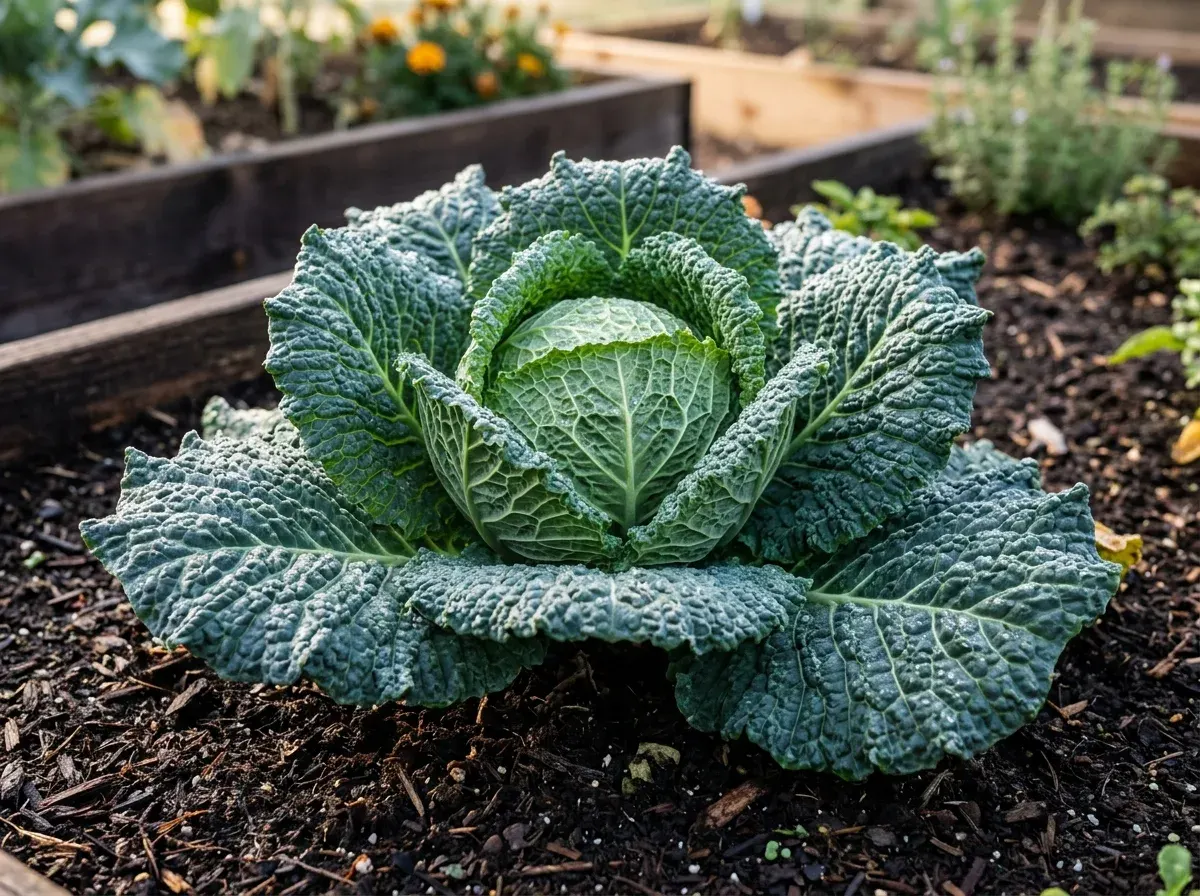
Cabbage is an ancient, nutrient-dense brassica that forms massive, tightly wrapped heads of crisp leaves. It is remarkably cold-hardy: late fall crops sweetened by early frosts often store in root cellars or cold pantries for up to four months.
Preventing Head Splitting
The single most common disappointment in home cabbage cultivation is a head splitting open overnight just days before anticipated harvest:
- Root Trimming Trick: If a mature cabbage head is rock-hard and a multi-inch rainstorm is on the way, grasp the head firmly and twist it 90 degrees or spade into the soil 6 inches away on one side. This breaks a portion of the feeder roots, preventing an explosive rush of water into the head.
- Mulching: Keep a 3-inch blanket of organic compost or clean straw around plants to eliminate the wet-dry moisture oscillations that trigger splitting.
Fertility & Soil pH (Clubroot Prevention)
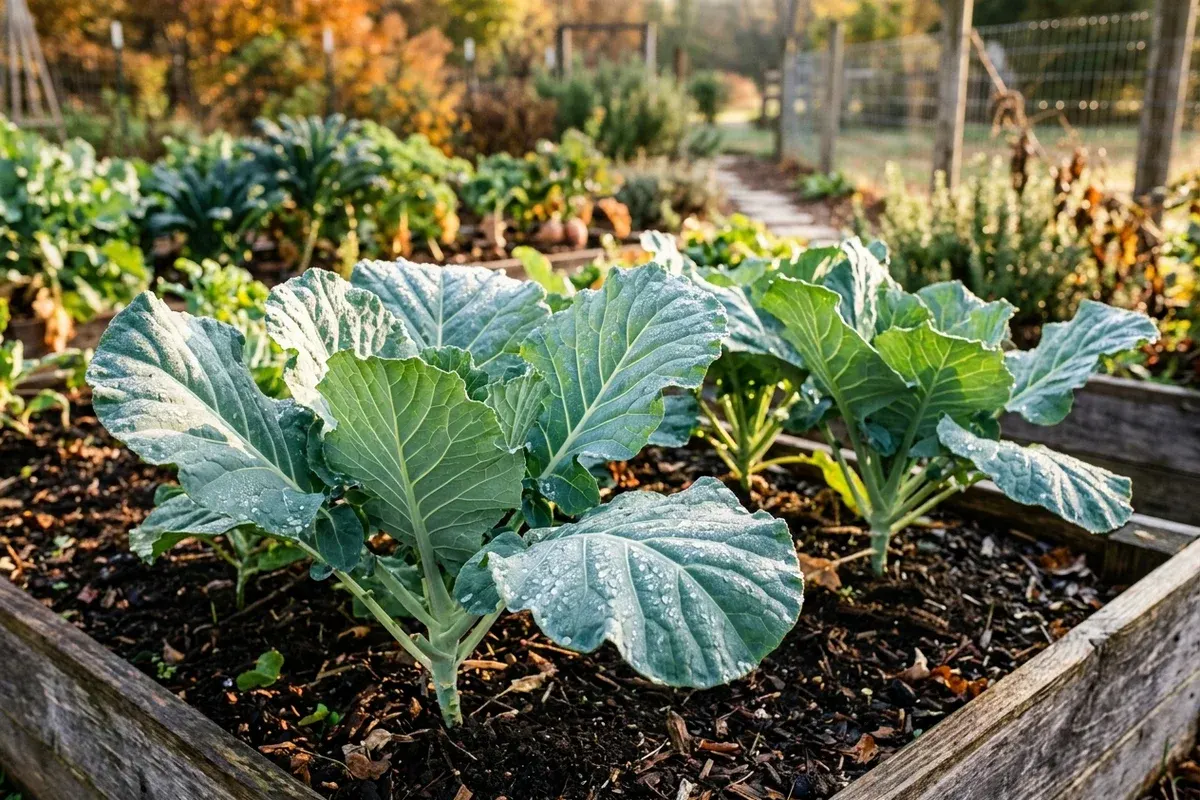
Cabbages are heavy feeders requiring fertile, moist loam. Maintain a soil pH between 6.5 and 7.2; acidic soils below 6.0 encourage clubroot (Plasmodiophora brassicae), an aggressive soil pathogen that causes stunted roots and wilted foliage. Incorporate agricultural lime into acidic beds months prior to planting brassicas. For non-heading brassicas that provide continuous pick-and-eat harvests in cold weather, compare with collard greens and kale.
Beneficial Companion Plants for Cabbage
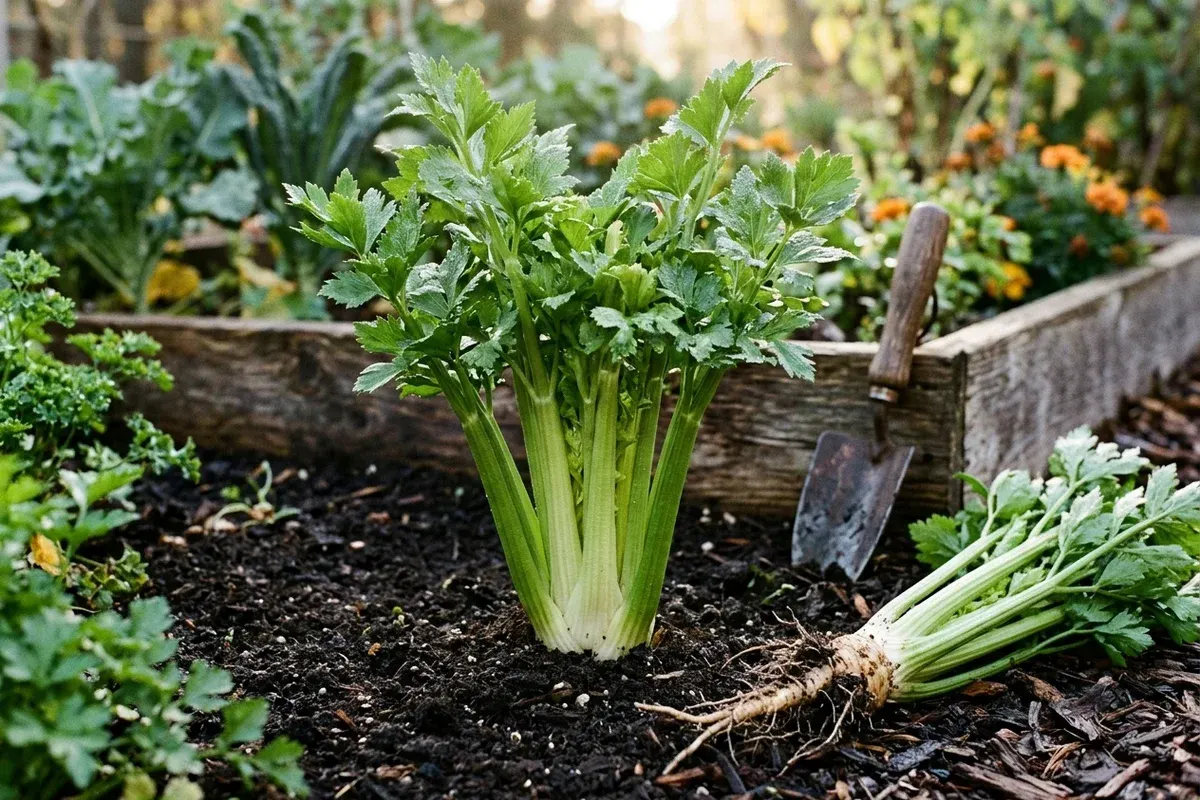
Plant cabbage near: Dill, Rosemary, Thyme, Onion, Celery, Marigold.
FAQ
Why did my cabbage head split open before harvest?
Cabbage heads split when heavy rain or excessive watering follows a period of dry soil. The sudden surge of internal moisture expands the interior leaves faster than the outer head can stretch. Mulch deeply to even out moisture, and twist the head a quarter-turn to sever a few roots if sudden heavy rain is forecast near harvest.
How do I know when cabbage is ready to pick?
Gently squeeze the head with your hands. When it feels solid, firm, and fully dense all the way through, it is ready. Cut the head cleanly at the base with a sharp garden knife, leaving the broad outer wrapper leaves on the stem.
Can I harvest mini cabbages after cutting the main head?
Yes. If you leave the root system and bottom leaves intact after cutting the central head in early summer, the stalk will form 3 to 5 small, golf-ball to tennis-ball sized secondary heads in the leaf axils.
What causes ragged holes in cabbage leaves?
Cabbage loopers and imported cabbage worm larvae (small green caterpillars). Protect beds with insect netting from planting, or spray with organic Bt (Bacillus thuringiensis) weekly during peak caterpillar pressure.