Companion Planting Chart: Best & Worst Vegetable Pairings (2026)

By Efraín Vega · Published October 28, 2026
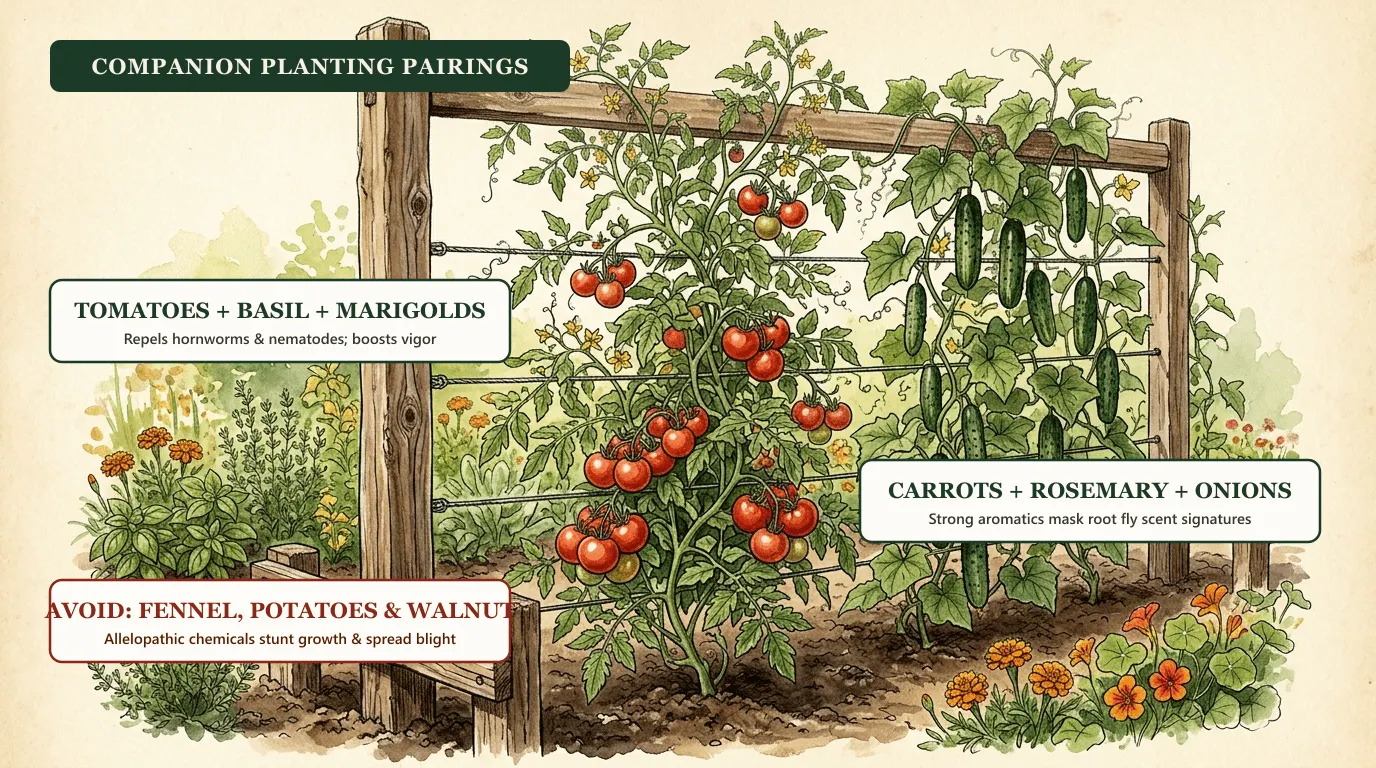
Companion planting is the practice of pairing specific crops together to repel destructive insects, maximize garden bed space, and enhance vegetable flavor and vigor through natural biochemical cooperation.
Rather than relying on chemical sprays, smart gardeners use aromatic herbs like basil and rosemary to mask crop scent signatures, green beans to fix soil nitrogen, and flowering marigolds to suppress root-knot nematodes.
Vegetable Compatibility & Matrix
Find scientifically proven companion pairings, biological pest shields, and plants to keep apart.
Tomato
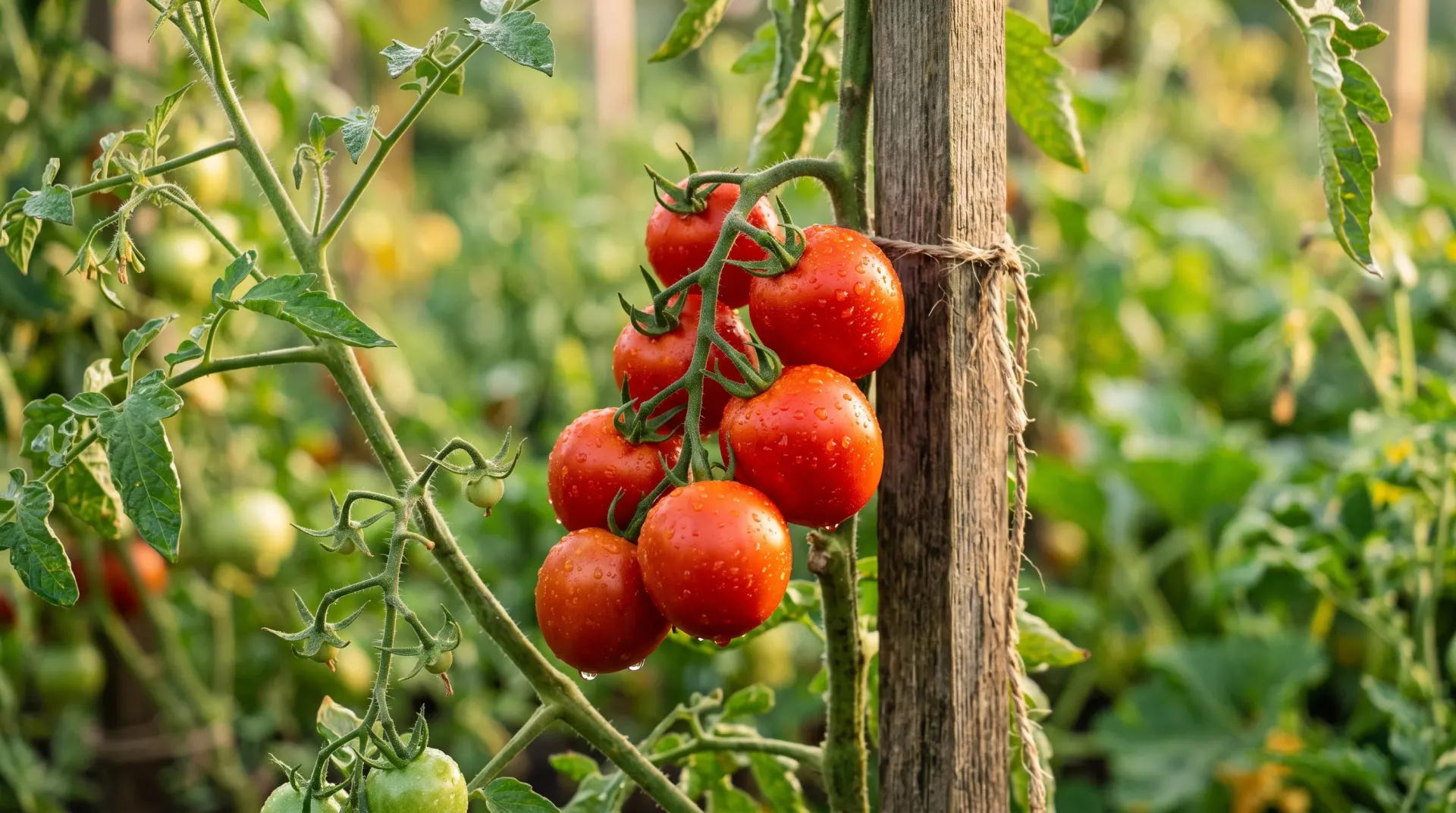
vegetableSolanum lycopersicumHeavy feeders requiring full sun and deep soil. Pair with aromatic herbs to mask volatile scent trails and suppress hornworms.
Beneficial Companions (6)
Plants that boost vigor, fix nutrients, or repel pests.
Repels hornworms, thrips, and whiteflies while improving fruit flavor through volatile terpene release.
Root exudates (alpha-terthienyl) eliminate root-knot nematodes; pungent blooms deter whiteflies.
Breaks subsoil crust with deep taproots without competing for surface soil nutrients.
Allicin compounds act as a natural antifungal shield against early and late blight spores.
Lacy flower umbels attract beneficial parasitic mini-wasps that parasitize hornworm caterpillars.
Shallow roots provide living groundcover, keeping tomato root zones cool and moisture-consistent.
Antagonistic Neighbors (5)
Never plant adjacent: stunt growth, compete for nutrients, or spread disease.
Excretes allelopathic root exudates that severely stunt tomato vascular growth and flower formation.
Shares devastating late blight (Phytophthora infestans) and attracts matching Colorado potato beetles.
Heavy competing brassica that stunts tomato fruiting and depletes trace calcium.
Attracts the identical pest: corn earworms and tomato fruitworms are the exact same moth (Helicoverpa zea).
Depletes high levels of potassium and micronutrients required for tomato fruit swelling.
Master Companion Planting Matrix
| Vegetable / Crop | Best Garden Companions | Worst Enemies (Do NOT Plant Near) | Primary Benefits |
|---|---|---|---|
| Tomato | Basil, Marigold, Carrot, Garlic | Fennel, Potatoes, Walnut, Cabbage | Basil repels hornworms; marigolds deter soil nematodes. |
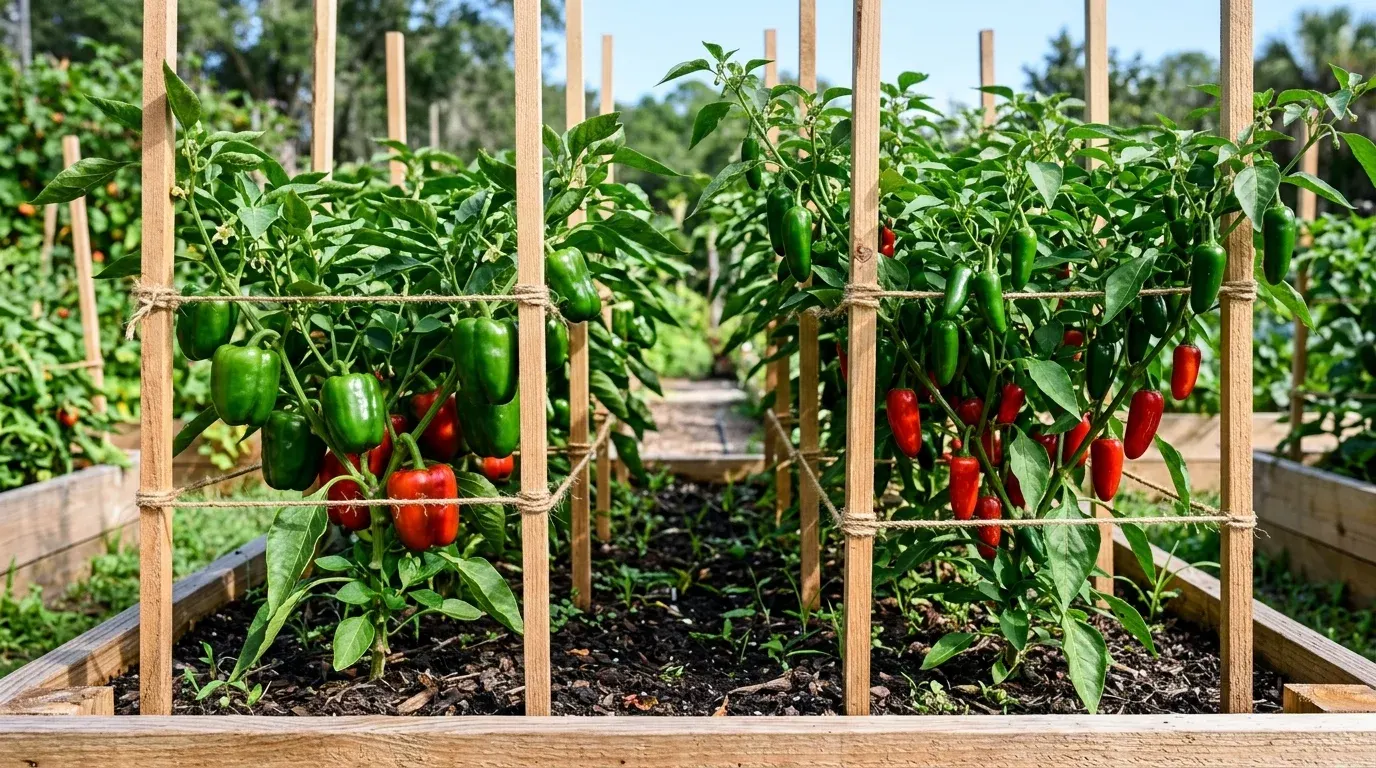
| Bell Pepper | Basil, Parsley, Carrot, Rosemary | Fennel, Apricots | Low foliage retains humidity; herbs repel aphids & thrips. |
| Cucumber | Green Beans, Radish, Marigold, Lettuce | Sage, Mint, Aromatic Fennel | Radishes deter cucumber beetles; beans add nitrogen. |
| Carrot | Rosemary, Lettuce, Radish, Tomato | Dill, Parsnips, Celery | Rosemary aroma confuses rust flies; radishes loosen crusty soil. |
| Zucchini | Green Beans, Calendula, Radish, Nasturtium | Potatoes, Fennel | Beans feed hungry squash roots; blossoms attract pollinator bees. |
| Kale | Rosemary, Garlic, Spinach, Cilantro | Tomatoes, Strawberries, Pole Beans | Strong herb oils repel diamondback moths and cabbage loopers. |
| Lettuce | Carrot, Radish, Strawberry, Cucumber | Celery, Parsley, Cabbage | Shallow roots fit under taller plants; acts as living soil mulch. |
| Spinach | Strawberry, Radish, Kale, Green Beans | Potatoes, Fennel | Thrives in cool shade beneath climbing green bean trellises. |
| Strawberry | Garlic, Spinach, Lettuce, Borage | Cabbage, Cauliflower, Fennel | Allium sulfur scent deters spider mites and fungus gnats. |
| Green Beans | Cucumber, Rosemary, Radish, Carrot | Garlic, Onions, Leeks, Shallots | Rhizobium bacteria fix atmospheric nitrogen into the soil. |
| Radish | Cucumber, Lettuce, Spinach, Carrot | Hyssop, Brussels Sprouts | "Trap crop" drawing flea beetles away from tender salad greens. |
| Garlic | Tomato, Bell Pepper, Strawberry, Kale | Beans, Peas, Asparagus | Strong antifungal allicin protects against fungal damp-off. |
| Basil | Tomato, Bell Pepper, Parsley, Marigolds | Rue, Sage, Rosemary | Essential oils mask scent of nightshades from pests. |
| Cilantro | Spinach, Kale, Bell Pepper | Fennel | Lacy white flower umbels attract beneficial hoverflies and lacewings. |
| Rosemary | Green Beans, Carrot, Kale | Basil, Cucumbers | Heavy camphor and pinene oils repel bean beetles & carrot flies. |
| Parsley | Tomato, Bell Pepper, Carrot | Mint, Lettuce | Deep taproots cycle micronutrients; flowers host predatory wasps. |
| Marigold | Tomato, Cucumber, Bell Pepper | Beans, Peas | Roots exude alpha-terthienyl, eliminating root-knot nematodes. |
| Calendula | Tomato, Zucchini, Kale | None | Sticky stems trap aphids and whiteflies; attracts bumblebees. |
The 4 Scientific Mechanisms of Companion Planting
1. Olfactory Masking (Scent Confusion)
Insect pests like carrot rust flies (Psila rosae) and cabbage moths (Pieris rapae) find host vegetables by sniffing airborne chemical volatile compounds. Interplanting pungent herbs like rosemary, garlic, and cilantro masks these scent trails, causing flying pests to bypass your raised bed.
2. Biopesticide Root Exudates
French marigolds (Tagetes patula) secrete alpha-terthienyl, a phototoxic compound that destroys parasitic root-knot nematodes (Meloidogyne spp.) in the soil. Interplanting marigolds every 3 to 4 feet in tomato and pepper beds significantly reduces nematode galling.
3. Vertical Tiering & Canopy Sharing
Companion plants can share identical square footage when their root depths and sunlight demands don't compete:
- Upper Canopy: Tall vining crops like indeterminate tomatoes on a vegetable trellis.
- Lower Shade Understory: Quick-maturing lettuces and spinach whose shallow fibrous roots occupy the top 3 inches of soil, shaded from burning afternoon summer heat.
4. Biological Trap Cropping
Certain companion plants are sacrificed deliberately. Quick-sprouting radishes attract flea beetles away from fragile eggplants and cabbages. The tough radish foliage survives minor damage while high-value fruiting crops develop unscathed.
3 Fatal Garden Pairings to Avoid
- Tomatoes + Potatoes: Both belong to the Solanaceae family and share common vulnerability to late blight (Phytophthora infestans). Spores spread quickly across adjacent foliage, destroying both crops within days.
- Beans / Peas + Alliums (Garlic & Onions): Allium root exudates inhibit the symbiotic Rhizobium bacteria residing on legume roots, preventing nitrogen fixation and stunting bean vines.
- Fennel + Everything: Fennel (Foeniculum vulgare) produces allelopathic compounds that stunt root cell division in nearly every common vegetable, particularly nightshades and legumes. Always plant fennel in an isolated standalone container.
Sources: Cornell University Cooperative Extension: Companion Planting & Trap Cropping, University of California IPM: Nematode Management in Home Gardens.
FAQ
What should you NOT plant next to tomatoes?
Never plant fennel, potatoes, or brassicas (cabbage, broccoli) next to tomatoes. Fennel produces root exudates that inhibit tomato growth, potatoes share blight spores (Phytophthora infestans), and black walnut trees secrete juglone which causes fatal tomato wilt.
What are the best companion plants for peppers?
Basil, carrots, onions, and marigolds are ideal pepper companions. Basil repels thrips and hornworms, while French marigolds emit nematicidal root compounds that protect pepper roots.
How does companion planting actually work?
It works through four proven biological mechanisms: scent masking (strong herbs hide crops from flying insect pests), natural pest repulsion (marigold alpha-terthienyl), root tier sharing (shallow lettuces under deep tomato roots), and nutrient fixation (legumes fixing nitrogen).
Can you plant garlic next to strawberries?
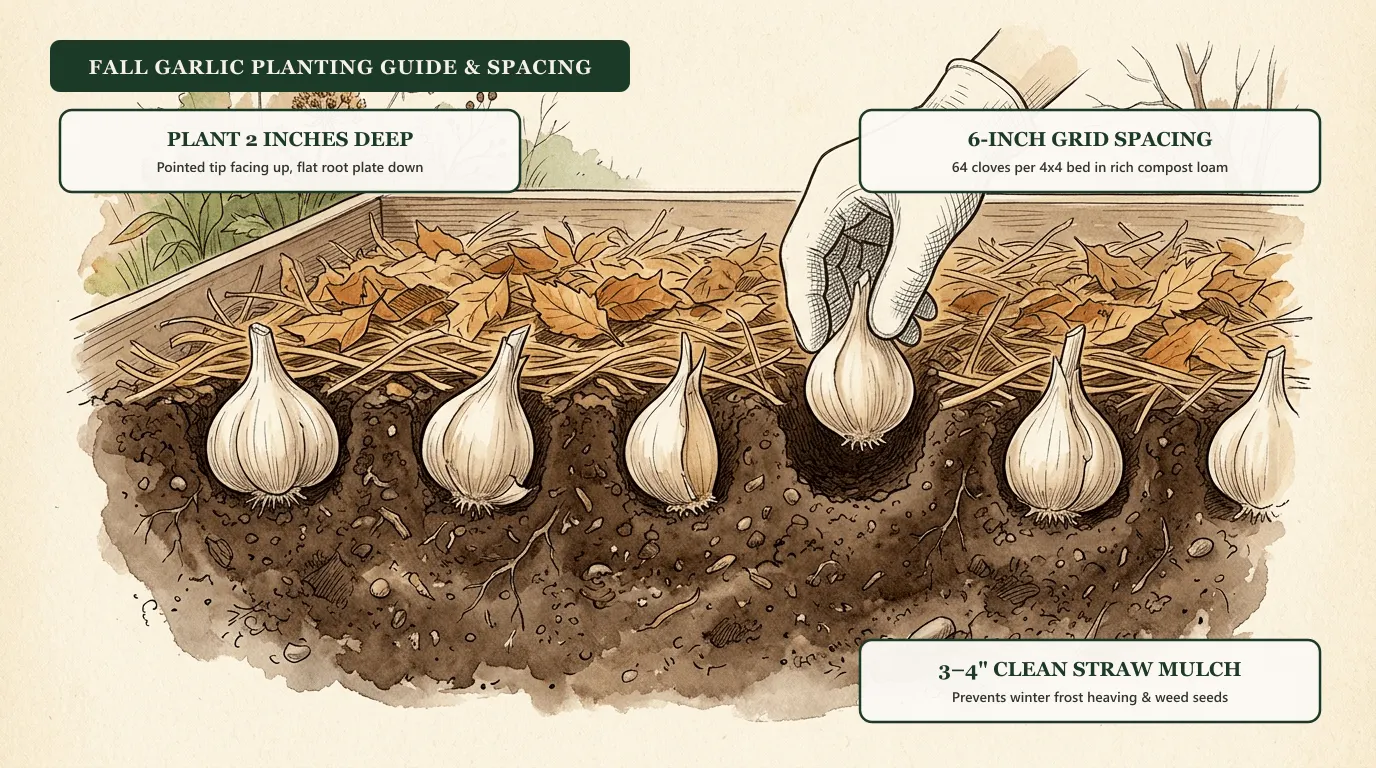
Yes. Garlic is one of the best strawberry companions. The strong sulfur compounds emitted by alliums deter strawberry spider mites, slugs, and fungal root rots without affecting berry sweetness.