How to Prevent, Identify, and Treat Tomato Blight in Raised Beds

By Efraín Vega · Published November 15, 2026
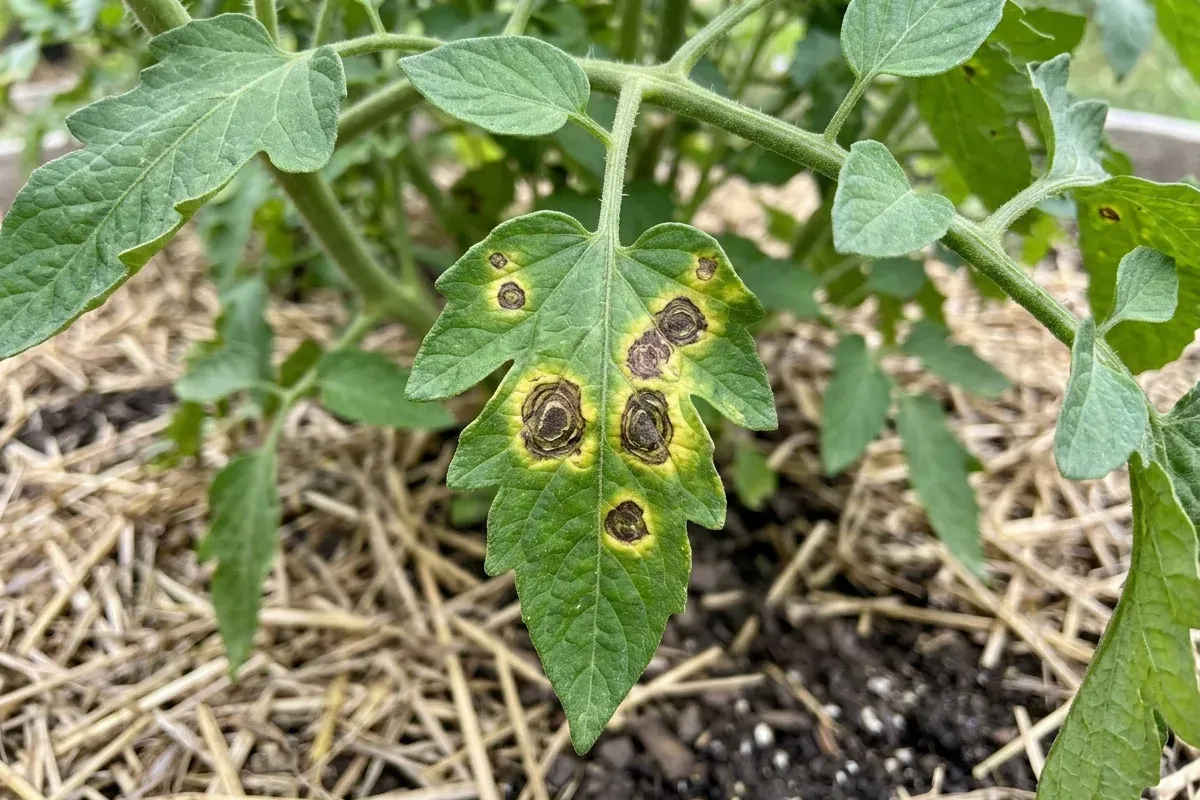
Tomato blight is the single most disheartening affliction in the backyard vegetable garden. You spend three months nursing heirloom seedlings into vigorous 6-foot vines loaded with green fruit, only to watch lower leaves turn yellow with brown spots, shriveling into brittle crisps that threaten the entire harvest.
Understanding the biology of fungal pathogens is the key to stopping the cycle. This guide breaks down the diagnostic differences between Early Blight and Late Blight, outlines the bottom-skirting pruning protocol, and details the proven organic management strategy to harvest sweet, blemish-free tomatoes every summer.
┌────────────────────────────────────────────────────────┐
│             EARLY BLIGHT VS. LATE BLIGHT               │
├────────────────────────────────────────────────────────┤
│ EARLY BLIGHT (Alternaria)     LATE BLIGHT (Phytophthora│
│ ═════════════════════════     ═════════════════════════│
│ • "Target" concentric rings   • Water-soaked, greasy   │
│ • Yellow halo around spots    • Rapid blackening (48h) │
│ • Starts at BOTTOM leaves     • Strikes any foliage    │
│ • Slow, manageable spread    • Total plant collapse   │
│ • Soil-borne spore splash     • Airborne cool-wet mold │
└────────────────────────────────────────────────────────┘
Identifying the Culprit: Early vs. Late Blight vs. Septoria
Correct diagnosis dictates whether you can save the vine or must immediately destroy it:
| Diagnostic Feature | Early Blight (Alternaria) | Septoria Leaf Spot | Late Blight (Phytophthora) |
|---|---|---|---|
| Pathogen Type | Soil-borne fungus | Soil-borne fungus | Airborne oomycete (water mold) |
| Primary Visual Sign | Concentric circular rings forming a bullseye target surrounded by yellow chlorosis | Hundreds of tiny 1/8" circular gray spots with dark borders and tiny black fruiting specks | Broad, irregular, greasy water-soaked brown lesions with white fuzzy sporulation beneath |
| Progression Speed | Moderate; moves leaf-by-leaf upward over 3 to 5 weeks | Moderate; defoliates lower canopy progressively | Catastrophic; turns whole vines into foul-smelling black mush in 3 to 7 days |
| Favorable Weather | Warm temperatures (75°–85°F) with humid conditions | Warm, humid summer weather (70°–80°F) | Cool, foggy, overcast weather (60°–70°F) with high humidity |
| Action Required | Prune bottom leaves, apply mulch, spray copper | Prune diseased foliage, improve airflow, biofungicide | Immediate eradication: Bag and trash entire plant |
The 4-Layer Blight Prevention Protocol
Fungal spores do not magically appear from the sky—in 90% of home gardens, spores are already residing in the top layer of native soil, waiting for rain droplets to splash them onto the lowest leaves.
┌────────────────────────────────────────────────────────┐
│            THE SOIL-SPLASH INOCULATION CYCLE           │
├────────────────────────────────────────────────────────┤
│ Raindrop Impact ────►  (Splash Zone: 0" - 12" High)    │
│                            \     |     /               │
│                             \    |    /                │
│    ══════════════════════════\═══|═══/══════════════   │
│    Unmulched Soil (Loaded with Alternaria Spores)      │
│                                                        │
│ THE REMEDY:                                            │
│ 1. Skirt bottom 12"-18" bare (no leaves in splash zone)│
│ 2. Apply 3" Clean Straw Mulch (cushions raindrop fall) │
│ 3. Drip Irrigation Only (zero water on leaves)         │
└────────────────────────────────────────────────────────┘
1. Bottom-Skirt Pruning (The 18-Inch Rule)
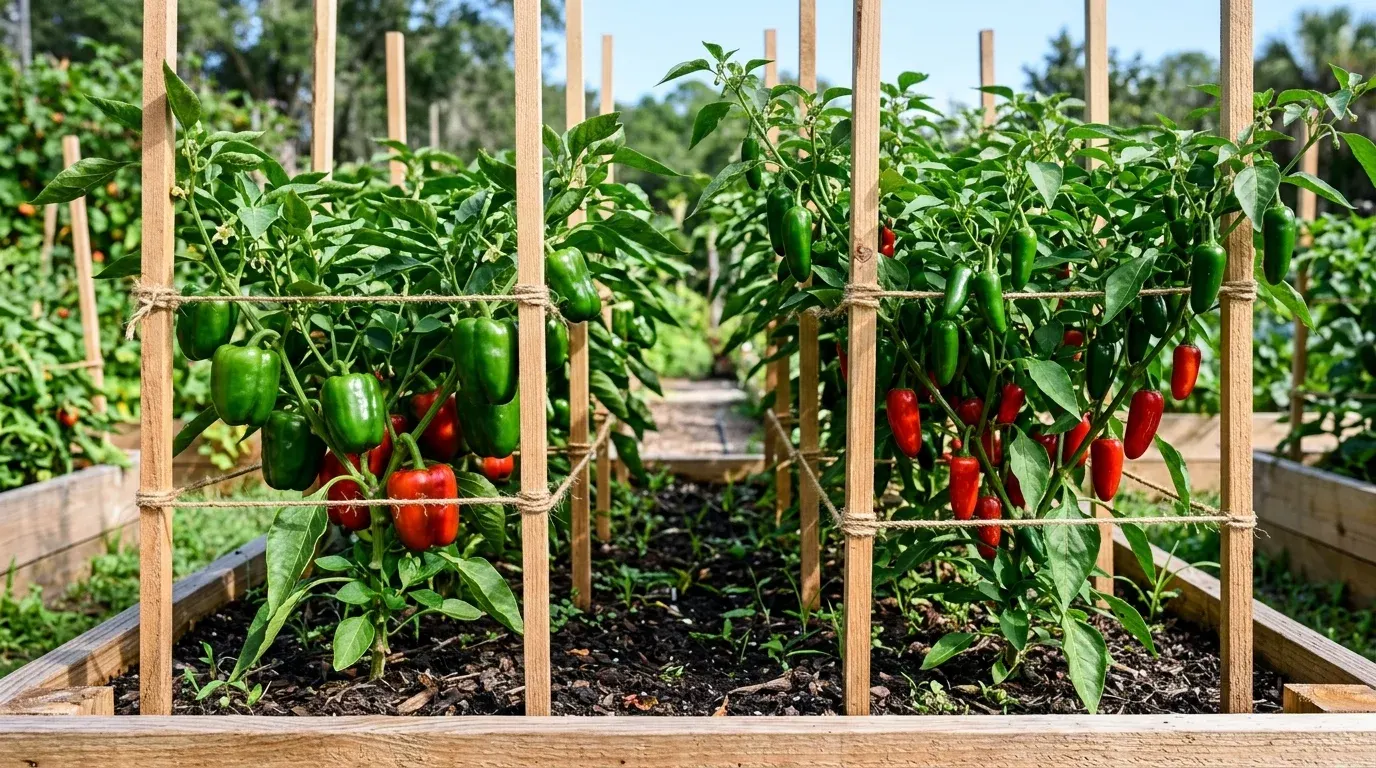
As your tomato plants grow upward on a sturdy trellis, stake, or cattle panel arch, ruthlessly remove all lower leaves and branches:
- When the plant reaches 3 feet tall, prune off all foliage from the bottom 12 inches of the central stem.
- When the plant reaches 5 feet tall, raise the bare stem clearance to 18 inches.
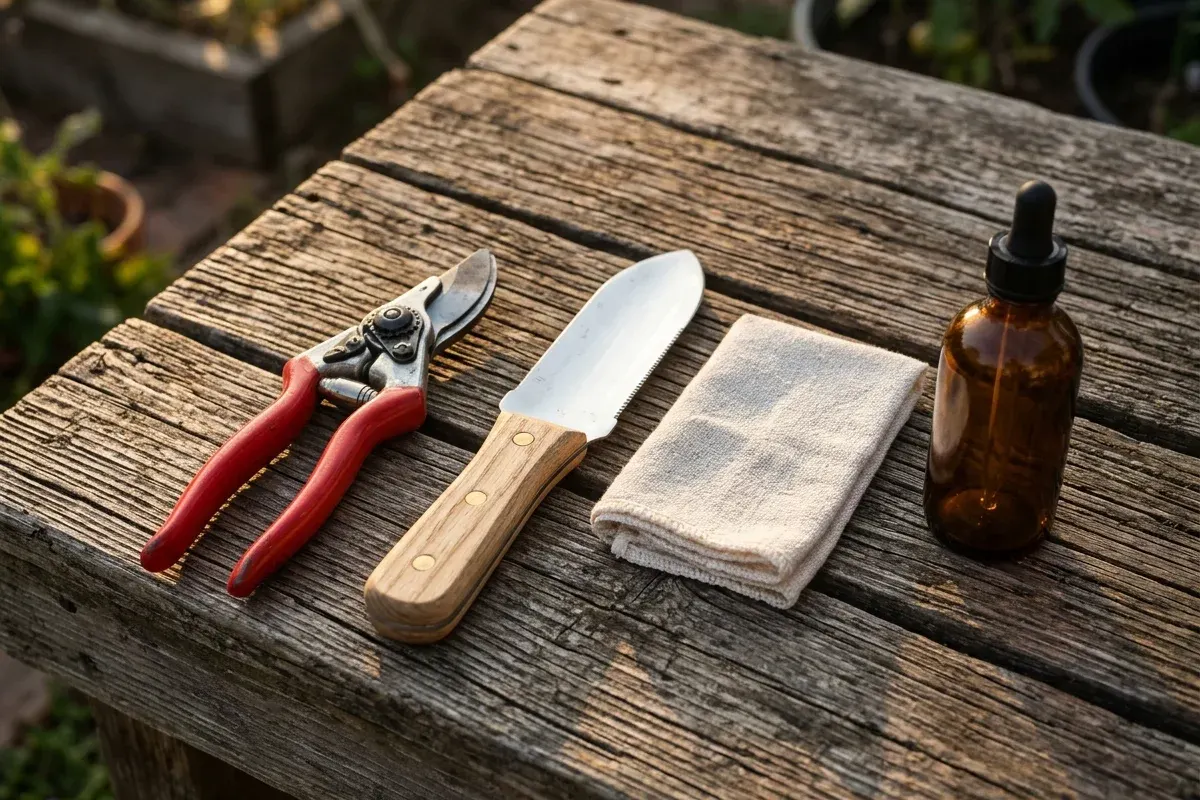
- Use clean, sterilized bypass pruners dipped in rubbing alcohol between plants. This creates a massive air-clearance corridor that accelerates breeze drying and stops soil splash from reaching foliage.
2. Physical Mulch Barrier
Never leave bare soil exposed beneath nightshade crops:
- Spread a 2- to 3-inch thick blanket of clean wheat straw, shredded leaves, or wood chips across the entire bed.
- Mulch acts as a microscopic impact cushion: when heavy raindrops hit straw, the water absorbs cleanly into the ground without blasting muddy spore-laden droplets upward onto stems. Calculate your mulch needs with our Mulch Calculator.
3. Transition Strictly to Drip Irrigation
Wet foliage is the invitation fungal spores need to germinate:
- Fungal hyphae require a film of water on the leaf surface for 6 to 8 hours to penetrate cellular membranes.
- Overhead sprinklers keep leaves soaked for hours. Convert your beds to low-pressure drip lines or emitter tubing laid directly beneath your straw mulch. Learn spacing in our Drip Irrigation Layout Guide or size your setup with the Drip Irrigation Calculator.
4. 3-Year Nightshade Crop Rotation
Alternaria spores survive inside microscopic plant debris in the soil:
- Never plant tomatoes, bell peppers, eggplants, or potatoes in the exact same raised bed two years in a row.
- Rotate beds on a 3- to 4-year cycle, following nightshades with nitrogen-fixing fava beans, alliums like garlic and shallots, or brassicas like kale and cabbage.
Treating Early Blight: An Organic Intervention Plan
If you spot target-shaped brown lesions on the lowest leaves of your tomato vines, act immediately before the infection reaches developing fruit:
┌────────────────────────────────────────────────────────┐
│             STEP-BY-STEP BLIGHT INTERVENTION           │
├────────────────────────────────────────────────────────┤
│ Step 1: Strip all spotted leaves on a dry afternoon.   │
│ Step 2: Seal clipped leaves in a plastic bag (trash!). │
│ Step 3: Spray Copper Octanoate or Bacillus subtilis.   │
│ Step 4: Disinfect pruners in 70% isopropyl alcohol.    │
└────────────────────────────────────────────────────────┘
- Prune on a Sunny Afternoon: Never prune wet tomato plants, as sap and moisture will smear spores across open wounds. Use sharp shears to cut off infected leaves right at the stem collar. Seal clippings in a bag and put them in the municipal trash—never put blighted tomato vines in a home compost bin.
- Apply Fixed Copper Octanoate: Liquid copper fungicide is OMRI-listed for organic gardening. The copper ions bond to plant surfaces, creating a chemical shield that denatures fungal enzyme systems. Spray both the tops and undersides of remaining foliage every 7 to 10 days until dry weather returns.
- Biological Fungicides (Bacillus amyloliquefaciens): Beneficial bacteria (such as the strain QST 713 found in Serenade Garden Disease Control) colonize the leaf surface, physically out-competing blight spores for space and nutrients while secreting natural lipopeptides that puncture fungal cell walls.
Resistant Heirloom & Hybrid Cultivars
If your garden has a documented history of severe blight pressure, plant cultivars specifically bred with Ph-2, Ph-3, or Defiance resistance genes:
| Cultivar | Type | Resistance Profile | Flavor & Growth Habit |
|---|---|---|---|
| Defiant PhR F1 | Slicing / Saladette | High Early & Late Blight (Ph-2, Ph-3) | Determinate; exceptional classic rich tomato flavor with heavy yields. |
| Mountain Merit F1 | Beefsteak | Superior Late Blight, Early Blight, Fusarium | Determinate; large 10–12 oz smooth red fruits bred by NC State University. |
| Iron Lady F1 | Slicing Round | Triple Resistance: Early Blight, Late Blight, Septoria | Determinate; medium-sized firm red tomatoes bred specifically for organic farms. |
| Jasper F1 | Red Cherry | High Late Blight & Early Blight | Indeterminate; vigorous, sweet, crack-resistant cherry clusters producing all summer. |
Frequently Asked Questions
Can you eat tomatoes from a blighted plant?
Yes, as long as the tomato fruit itself shows no dark sunken spots or leathery rot. Wash the fruit thoroughly before eating. However, never can or preserve fruit from blighted vines, as the disease alters internal acidity levels, creating a botulism hazard in water-bath canning.
How do I sterilize wooden raised beds after a blight outbreak?
At the end of the season, remove all dead vine material and roots. Spray the interior wood surfaces of your cedar or pine beds with a 10% household bleach solution (1 part bleach to 9 parts water) or an agricultural hydrogen peroxide spray to kill clinging fungal spores.
Does baking soda spray cure tomato blight?
Baking soda (sodium bicarbonate) alters leaf surface pH, which can slightly slow powdery mildew germination, but it is ineffective against aggressive Early and Late Blight. Furthermore, excessive sodium buildup from baking soda sprays can scorch tender foliage and harm soil biology. Use OMRI-listed copper octanoate or potassium bicarbonate instead.
FAQ
What is the difference between Early Blight and Late Blight on tomatoes?
Early Blight (caused by the fungus Alternaria linariae / solani) starts on the oldest lower leaves, forming dark brown concentric rings that look like a bullseye or archery target surrounded by yellow halos. It creeps upward slowly. Late Blight (caused by the oomycete Phytophthora infestans) is an aggressive water mold that appears suddenly during cool, wet weather as irregular, greasy water-soaked olive lesions that turn purplish-black, collapsing an entire healthy plant within 48 to 72 hours.
Can tomato blight fungus survive in garden soil over winter?
Yes. Early Blight spores survive in soil, wooden raised bed frames, and decaying nightshade residue for up to 2 to 3 years. Late Blight, however, cannot survive in bare soil or frozen plant tissue; it overwinters exclusively in living cull potatoes left underground or travels on seasonal windstorms from southern greenhouses.
Can you save a tomato plant once it has blight?
You can successfully manage Early Blight if caught early: immediately prune and discard infected lower foliage, apply an organic copper octanoate or Bacillus amyloliquefaciens biofungicide, and apply heavy mulch to stop soil splashing. Late Blight cannot be cured; infected plants must be uprooted, bagged, and disposed of in municipal trash immediately to prevent airborne spores from destroying neighboring gardens.
How high should you prune lower leaves on tomato plants to prevent blight?
Prune all foliage, leaves, and suckers from the bottom 12 to 18 inches of the main vine once plants reach 3 feet tall (known as 'bottom skirt pruning'). Rain droplets hitting bare soil bounce fungal spores up to 12 inches high; removing this bottom splash zone prevents 80% of fungal inoculations.
Does overhead sprinkler watering cause tomato blight?
Yes. Fungal spores require free moisture sitting on tomato foliage for a minimum of 6 to 8 continuous hours to germinate and penetrate the leaf cuticle. Overhead sprinklers keep leaves wet, creating the ideal breeding ground for spores. Always use drip irrigation emitter lines or soaker hoses placed beneath a thick layer of straw mulch.