How to Grow Fava Bean
Vicia faba

By Efraín Vega · Published November 15, 2026
Sun
Full sun (6+ hours direct sunlight daily; tolerates light partial shade in warm southern climates)
Water
Moderate and consistent (1 inch per week). Critical during flowering and pod development
Spacing
6–8 inches apart in rows 18–24 inches apart (or 2 to 4 plants per square foot in raised beds)
Soil pH
6.0–7.5; tolerant of heavier loams and clays than most garden legumes
Days to maturity
80–100 days for spring sowings; 150–240 days for overwintered autumn crops
Hardiness zones
Zones 3–11 grown as an early spring or overwintered cool-season annual (hardy to 15°F / -9°C)
When to plant: Direct sow 4–6 weeks before last spring frost, or in late autumn (October/November in Zones 7–10) for early spring harvests • Calculate planting dates for your city →
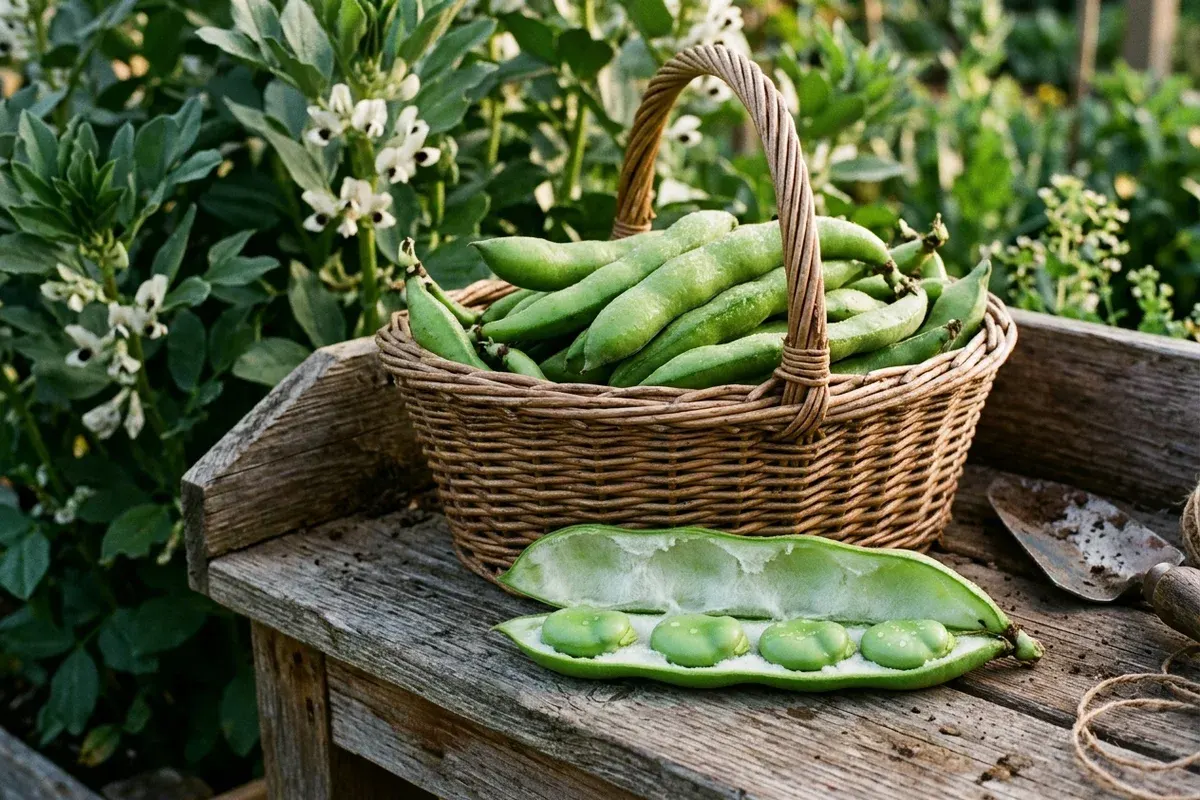
Fava beans (Vicia faba), also celebrated as broad beans, horse beans, or Windsor beans, are among the oldest cultivated crops in human history, dating back over 8,000 years to the eastern Mediterranean. Unlike warm-season green snap beans (Phaseolus vulgaris) which rot in cold, wet spring ground, fava beans are true cold-season champions.
With stout, square, hollow upright stalks that grow 3 to 5 feet tall, striking white-and-black orchid-like flowers, and gigantic velvet-lined pods, fava beans are as ornamental as they are nutritious. Furthermore, their extraordinary ability to fix soil nitrogen and shatter dense clay makes them indispensable for organic soil building.
The Nitrogen Engine: Soil Bio-Remediation
Fava beans are powerhouse soil conditioners. If your garden suffers from depleted nutrients or hard-packed clay, planting fava beans provides triple-action restoration:
┌────────────────────────────────────────────────────────┐
│            THE RHIZOBIUM SYMBIOSIS ENGINE              │
├────────────────────────────────────────────────────────┤
│   Atmospheric N2 (78% of air in soil macro-pores)      │
│                        │                               │
│                        ▼                               │
│     [Rhizobium Leguminosarum Bacteria]                 │
│   Colonize root nodules (pink interior = active!)      │
│                        │                               │
│                        ▼                               │
│    Converts N2 into plant-soluble ammonium & nitrate   │
│                        │                               │
│  ──────────────────────┼─────────────────────────────  │
│  Root Tap Penetration  │ Deep 24" taproot fractures    │
│  & Organic Mass        │ subsoil hardpan and heavy clay│
└────────────────────────────────────────────────────────┘
- Nitrogen Fixation: A vigorous stand of fava beans fixes 150 to 220 lbs of atmospheric nitrogen per acre.
- How to Check Nodules: Gently excavate a root system during flowering. Active nitrogen-fixing nodules are plump and display a deep salmon-pink or reddish interior when sliced open with a thumbnail (caused by leghemoglobin, the same oxygen-carrying protein found in animal blood).
- Clay Soil Breaker: Unlike fragile shallow bean roots, fava beans drive a robust, thick taproot 18 to 24 inches deep into the earth, opening drainage fissures in heavy subsoil. For more on soil loosening, explore our guide on how to fix clay soil in raised beds and garden plots.
Top Heirloom Broad Bean Cultivars
Selecting the right cultivar depends on whether you are planting in spring or overwintering through freezing weather:
| Cultivar | Plant Height | Days to Harvest | Cold Hardiness | Distinctive Features |
|---|---|---|---|---|
| Broad Windsor | 36" – 48" tall | 75–85 days | Moderate (20°F / -7°C) | The gold standard heirloom; massive 6"–8" pods holding 4 to 6 giant, succulent jade-green beans. |
| Aquadulce Claudia | 40" – 55" tall | 85–95 days (or fall overwinter) | Extreme (10°F / -12°C) | Celebrated Spanish heirloom bred specifically for autumn planting and extreme winter freeze tolerance. |
| Sweet Lorane | 24" – 30" tall | 80–90 days | High (15°F / -9°C) | Compact, wind-resistant bushes bred in Oregon; smaller, ultra-sweet beans with low tannin skins. |
| Robin Hood | 12" – 18" dwarf | 70–75 days | Moderate (22°F / -6°C) | Miniature dwarf variety bred for containers, raised beds, and cedar window box planters. |
Spring vs. Autumn Sowing Calendars
Because fava beans drop their blossoms and refuse to set pods once temperatures exceed 75°F to 80°F (24°C–27°C), planting early is the fundamental secret to a bumper harvest:
        NORTHERN REGIONS (Zones 3–6)                  SOUTHERN / PACIFIC (Zones 7–10)
  ┌──────────────────────────────────────┐     ┌──────────────────────────────────────┐
  │ Early Spring Planting:               │     │ Autumn Overwintering:                │
  │ Direct sow 4–6 weeks before last     │     │ Direct sow in October or November.   │
  │ spring frost as soon as soil thaws.  │     │ Plants grow slowly through winter,   │
  │ Harvest before summer heatwaves.     │     │ bursting into massive early harvests!│
  └──────────────────────────────────────┘     └──────────────────────────────────────┘
Spring Planting Protocol (Cool Temperate Zones)
- Direct sow seeds outdoors as soon as the ground can be worked in early spring (soil temperature at least 40°F).
- Plant seeds 1-1/2 to 2 inches deep, spaced 6 to 8 inches apart.
- In raised beds, double-row planting with 10 inches between rows allows plants to lean against each other for wind support.
Autumn Planting Protocol (Mild Winter Zones)
- Sow seeds in mid-to-late autumn (mid-October to late November).
- Seedlings will germinate, reach 6 to 10 inches tall, and enter semi-dormancy over winter.
- Come early spring, overwintered fava beans explosive leaf out and flower weeks before spring-sown crops, yielding massive harvests by May.
The Art of Trellising & Pinching Tips
Fava beans produce thick, hollow stems that are heavily laden with giant pods. A summer thunderstorm or gust of wind can easily flatten an entire row:
┌────────────────────────────────────────────────────────┐
│             THE CORRAL TRELLIS TECHNIQUE               │
├────────────────────────────────────────────────────────┤
│     Stout Wooden End Stakes (2x2 or T-Posts)           │
│     │                                            │     │
│     ├════════════════════════════════════════════┤     │
│     │        Taut Baler Twine / Jute             │     │
│     │                                            │     │
│     │    ( Y )       ( Y )       ( Y )       ( Y )     │
│     │    Fava        Fava        Fava        Fava      │
│     │   Stalks      Stalks      Stalks      Stalks     │
│     │                                            │     │
│     ├════════════════════════════════════════════┤     │
│     │                                            │     │
└─────┴────────────────────────────────────────────┴─────┘
- The Corral Trellis: Drive 2x2 cedar stakes or metal T-posts every 6 to 8 feet along your bed. Run two horizontal strands of taut twine (one at 18 inches and one at 36 inches) on both sides of the plants, creating a supportive box "corral" that keeps the heavy stalks upright.
- The 5-Tier Pinch Method: Once the plant has set 4 to 6 clusters of young pods on the lower half of the stalk, snap off the top 2 to 3 inches of the leafy terminal shoot.
- Why this works: Black bean aphids (Aphis fabae) target tender young terminal growth. Removing the growing tip eliminates their primary food source, halts aphid infestations without chemical spraying, and forces the plant to pump energy into fattening the lower beans.
- Bonus Culinary Treat: Fava bean tips are tender and sweet—toss them directly into salads or stir-fries!
Companion Planting for Fava Beans
| Companion | Relationship | Horticultural Mechanism |
|---|---|---|
| Potatoes | Classic Pairing | Fava beans fix nitrogen that heavy-feeding potatoes consume; bean leaves help deter Colorado potato beetles. |
| Spinach & Lettuce | Living Mulch | Fast, shallow-rooted greens carpet the soil beneath upright fava bean stalks, cooling roots and suppressing weeds. |
| Rosemary & Thyme | Aromatic Armor | Pungent Mediterranean herbal oils mask bean scent trails from flying insect pests. |
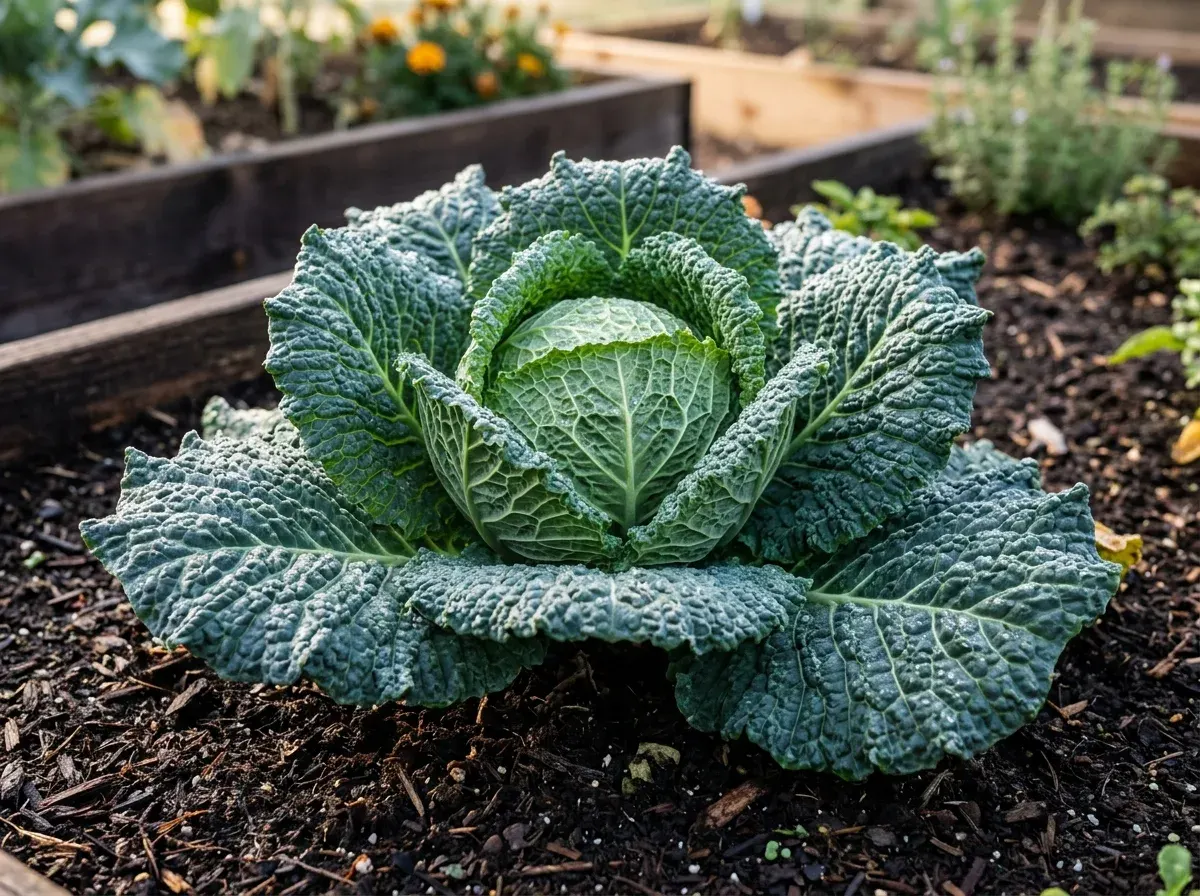
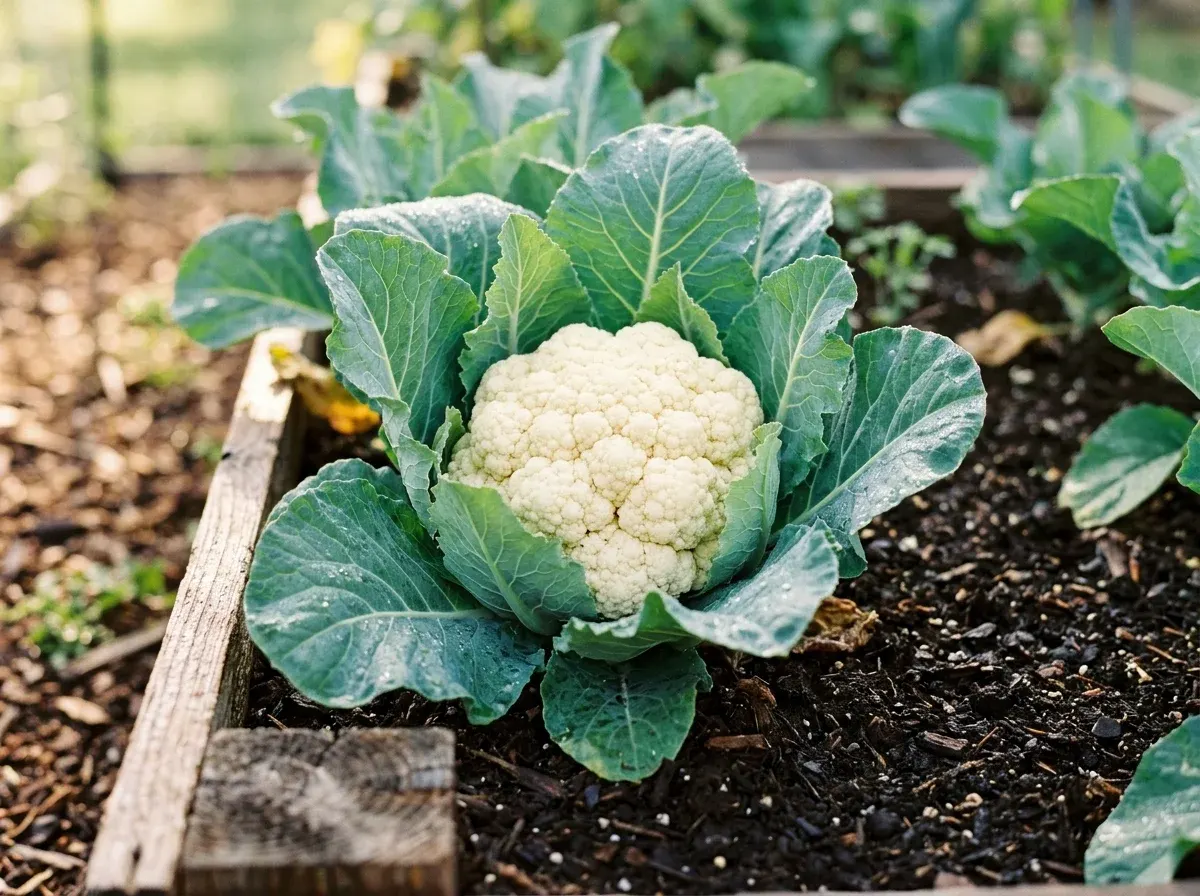
| Cabbage & Brassicas | Soil Rotation Partner | Follow fava beans with brassicas to utilize the residual nitrogen nodules left in the soil. |
| Onions & Garlic | Antagonistic (Avoid) | Allium sulfur exudates inhibit Rhizobium bacteria colonization on legume root nodules. |
Harvesting & Double-Peeling Kitchen Preparation
- When to Harvest: Harvest pods when they feel heavy, firm, and finger-thick. Look for distinct bean bumps protruding through the fleshy green pod walls.
- Harvest Technique: Snap the pod downward cleanly from the stem, or clip with hand pruners to avoid stripping the fibrous bark off the main stalk.
- The Two-Step Double-Peel:
- Step 1 (Shelling): Split the outer green pod along the seam and remove the large beans from their white cottony cradle.
- Step 2 (Skinning): Drop shelled beans into a pot of boiling salted water for 60 seconds. Transfer immediately to a bowl of ice water. Slice a tiny nick into the dull outer seed skin with a fingernail or paring knife and pop out the bright, glowing jade-green inner bean.
- Culinary Uses: Mash tender blanched fava beans with good olive oil, garlic, mint, and Pecorino Romano cheese onto grilled sourdough crostini, toss into spring risotto, or simmer in hearty Tuscan soups.
Beneficial Companion Plants for Fava Bean
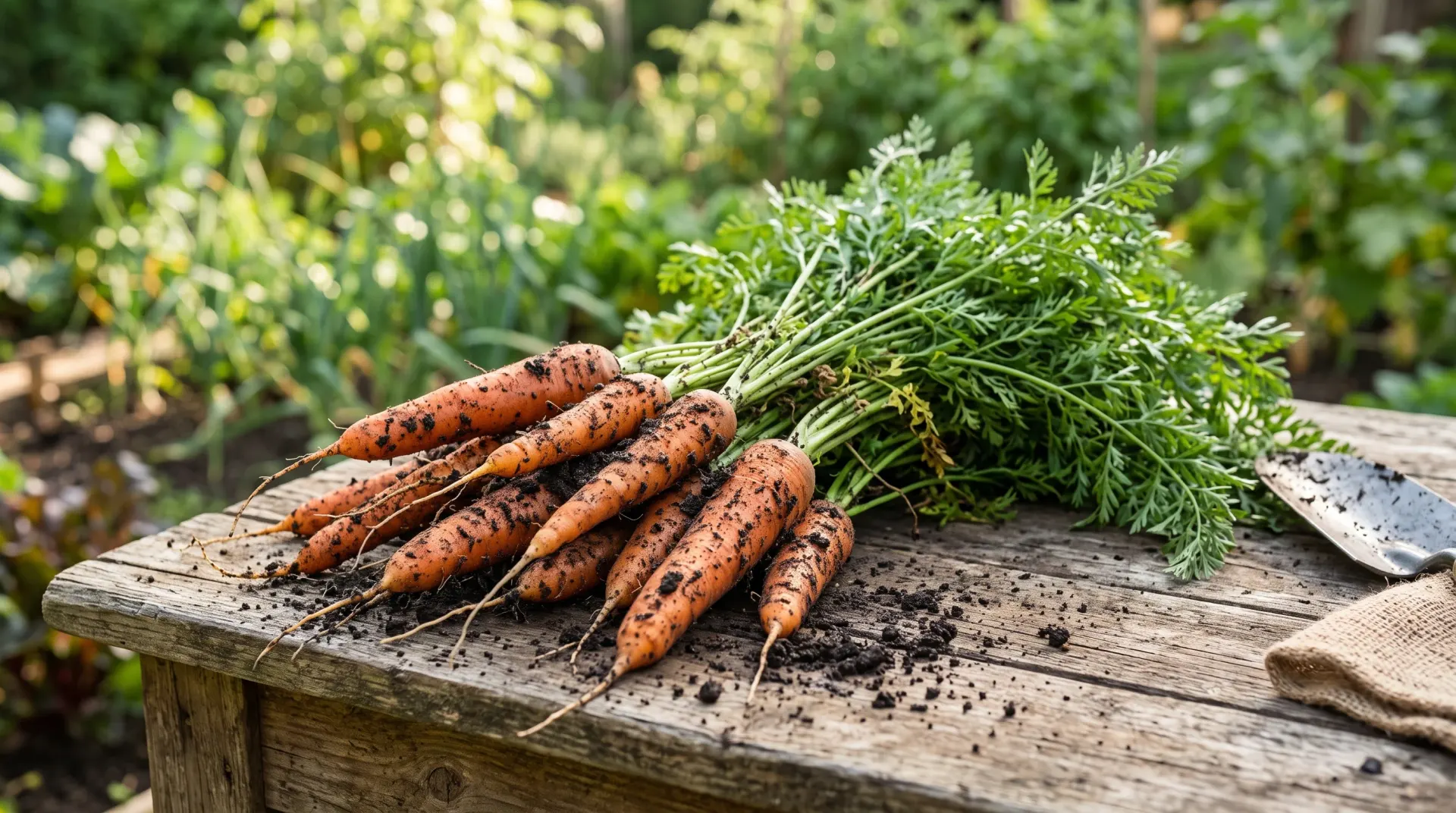
Plant fava bean near: Potato, Spinach, Lettuce, Rosemary, Carrot, Cabbage.
FAQ
Can fava beans survive freezing winter temperatures?
Yes. Fava beans (also known as broad beans or Windsor beans) are ancient cold-hardy legumes capable of surviving sustained winter temperatures down to 15°F (-9°C) without protective covers. Under a [low tunnel hoop greenhouse](/blog/garden-structures/how-to-build-a-low-tunnel-greenhouse) or heavy snow blanket, they easily overwinter in Zones 6 and 7.
Why do gardeners pinch off the top growing tips of fava beans?
Pinching off the top 2 to 3 inches of the stem once 4 to 6 tiers of pods have set accomplishes two vital goals: it stops black bean aphids from colonizing the tender new shoot tips, and it redirects the plant's metabolic energy toward plumping the existing lower pods rather than growing taller foliage.
How do fava beans improve garden soil fertility?
Fava beans form a symbiotic partnership with Rhizobium leguminosarum bacteria, which colonize root nodules and pull inert atmospheric nitrogen gas from soil pores, converting it into bio-available nitrate. A mature crop can fix over 150 to 200 lbs of organic nitrogen per acre, making it one of the premier cover crops for depleted soils.
When should fava bean pods be harvested?
Harvest pods when they are thick, glossy, and firm, with visible plump bean bumps along the pod wall (finger-thick). Pick them from the bottom of the stalk upward as lower pods mature first. Avoid waiting until pods turn brown or leathery unless you are saving dry seeds for replanting or winter stews.
Do you have to double-peel fava beans?
For small, young, tender spring beans, you can eat them right after shelling from the outer pod. For mature beans, blanch the shelled beans in boiling water for 60 seconds, plunge into ice water, and pinch the dull, thick, rubbery outer skin (seed coat) to pop out the vibrant emerald-green, sweet inner bean.