How to Grow Celery
Apium graveolens var. dulce

By Efraín Vega · Published November 15, 2026
Sun
Full sun to partial afternoon shade (at least 6 hours direct sunlight daily)
Water
Very high and uninterrupted; 1.5 to 2 inches weekly. Ancestral marshland plant that turns hollow and bitter if soil dries
Spacing
8–10 inches apart in rows 18–24 inches apart; or 1 plant per square foot in intensive raised beds
Soil pH
6.0–6.8; exceptionally rich loam with heavy compost and high calcium levels
Days to maturity
120–140 days from seed (85–100 days from outdoor transplanting)
Hardiness zones
Zones 3–10 grown as a cool-season annual; tolerates light frost down to 28°F (-2°C)
When to plant: Start indoors 10–12 weeks before last spring frost; transplant outdoors 2 weeks before last frost • Calculate planting dates for your city →
Celery (Apium graveolens var. dulce) has a reputation among gardeners as a demanding diva, but understanding its unique botanical ancestry demystifies its care. Originating in the wild coastal marshes and damp bogs of Europe and the Mediterranean basin, celery is fundamentally a wetland plant.
When provided with rich, organic-heavy soil, continuous moisture through drip irrigation, and simple blanching sleeves, homegrown celery produces fragrant, succulent stalks with a depth of flavor that completely surpasses washed supermarket celery.
Variety Guide: Self-Blanching vs Trenching Types
Selecting the right cultivar simplifies garden management:
| Variety | Type | Days from Transplant | Characteristics | Best Garden Use |
|---|---|---|---|---|
| Tango | Modern Self-Blanching | 80–85 days | Tender, sweet ribs without requiring manual collars; tolerates temperature swings. | Top choice for home raised beds |
| Tall Utah 52-70 | Heirloom Green | 95–105 days | Classic dark-green thick stalks; dense upright habit; benefits from paper blanching. | Long-season autumn stews and canning |
| Golden Self-Blanching | Heirloom Golden | 85–90 days | Naturally turns pale golden-yellow; crisp, mild, nutty flavor with thin skin. | Fresh raw salads and snacking |
| Giant Pascal | French Heirloom | 110–120 days | Robust, vigorous stalks that hold up into freezing winter temperatures under mulch. | Late fall harvests and root cellars |
| Chinese Celery (Kintsai) | Stem Herb | 60–70 days | Thin, hollow, intensely aromatic stems; grown for pungent leaves and cooking greens. | Asian stir-fries, broths, and soups |
Indoor Sowing: The Surface Light Requirement
Because celery requires 120 to 140 days from seed to harvest, it must be started indoors 10 to 12 weeks before your last expected spring frost date:
        CELERY SURFACE SEEDING ANATOMY:

            Gentle Light / Grow Lamp
                ▼     ▼     ▼
        ───────○─────○─────○───────  ◄── Seeds pressed on surface
        ░░░░░░░░░░░░░░░░░░░░░░░░░░░  ◄── DO NOT cover with soil!
        ░░ Fine Seed-Starting Mix ░  ◄── Keep constantly moist with
        ░░░░░░░░░░░░░░░░░░░░░░░░░░░      plastic humidity dome.
- Pre-Soaking: Soak tiny celery seeds in warm water for 24 hours prior to sowing to soften the hard exterior seed coat and wash away natural germination-inhibiting oils.
- Surface Pressing: Fill cell trays with sterile, fine-textured seed starting mix. Scatter 2 to 3 seeds per cell and gently press them into the surface with your fingertip. Do not cover with soil—celery seeds require light to germinate.
- Moisture & Temperature: Cover the tray with a clear plastic humidity dome and mist with a spray bottle daily. Maintain soil temperatures at 70°F to 75°F (21°C–24°C). Sprouting takes 14 to 21 days.
- Hardening Off: When seedlings reach 3 inches tall with true leaves, thin to one plant per cell and gradually harden them off outdoors in a sheltered cold frame.
Check regional frost windows with our First and Last Frost Date Guide or customize dates with our interactive Planting Calendar Tool.
Moisture Management & Drip Irrigation
Water stress is the primary cause of bitter, stringy, hollow celery ribs:
- The Wetland Rule: Provide 1.5 to 2 inches of water per week. Celery roots are concentrated in the top 6 to 8 inches of soil and dry out rapidly.
- Automated Drip Lines: Hand watering rarely keeps celery adequately moist. Lay two parallel lines of 1/2" drip emitter tubing spaced 6 inches apart directly along your celery row. Calculate emitter layout and pressure specs with our Drip Irrigation Layout Guide and Drip Irrigation Calculator.
- Deep Compost & Mulch: Mix in 3 inches of compost prior to planting. Once transplants are 6 inches tall, pack a 3-inch layer of clean straw mulch tightly around the base of the stalks to insulate the root zone from summer heat. Determine bulk compost needs with our Compost Calculator.
How to Blanch Celery for Crisp, Sweet Stalks
Unblanched celery produces high amounts of chlorophyll, resulting in dark-green, fibrous, and strongly bitter ribs. Blanching blocks sunlight, transforming the stalks into succulent, crunchy, pale-cream ribs:
           CARDBOARD COLLAR BLANCHING METHOD:

                Green Foliage Exposed
                    \  │  /
                   ╭───────╮
                   │       │ ◄── 8"–10" Milk Carton or Cardboard Collar
                   │       │     Tied loosely with twine.
                   │       │     (Applied 2–3 weeks before harvest)
                   ╰───────╯
                  ═════╪═════  ◄── Soil Surface
                     Root Zone
- Timing: Begin blanching when the plant is roughly 12 inches tall and 2 to 3 weeks away from harvest.
- The Milk Carton Sleeve: Cut the top and bottom off a standard half-gallon cardboard milk or juice carton. Slide the sleeve down over the celery stalks, leaving only the upper leafy fronds sticking out of the top.
- Butcher Paper Wrapping: Alternatively, wrap brown butcher paper or newspaper 3 to 4 layers thick around the circumference of the bundle and secure it with garden twine or a rubber band.
- Soil Hilling: If growing in long trenches, gradually shovel soil up against the stalks every 2 weeks, taking care not to let dirt wash into the center crown.
Companion Planting Matrix
Celery produces strong aromatic terpenes that deter pests when paired strategically:
- Leeks & Onions (Leek Profile, Onion Profile): The classic companion pairing. Celery foliage repels leek moth caterpillars, while allium sulfur vapors deter the celery fly (Euleia heraclei).
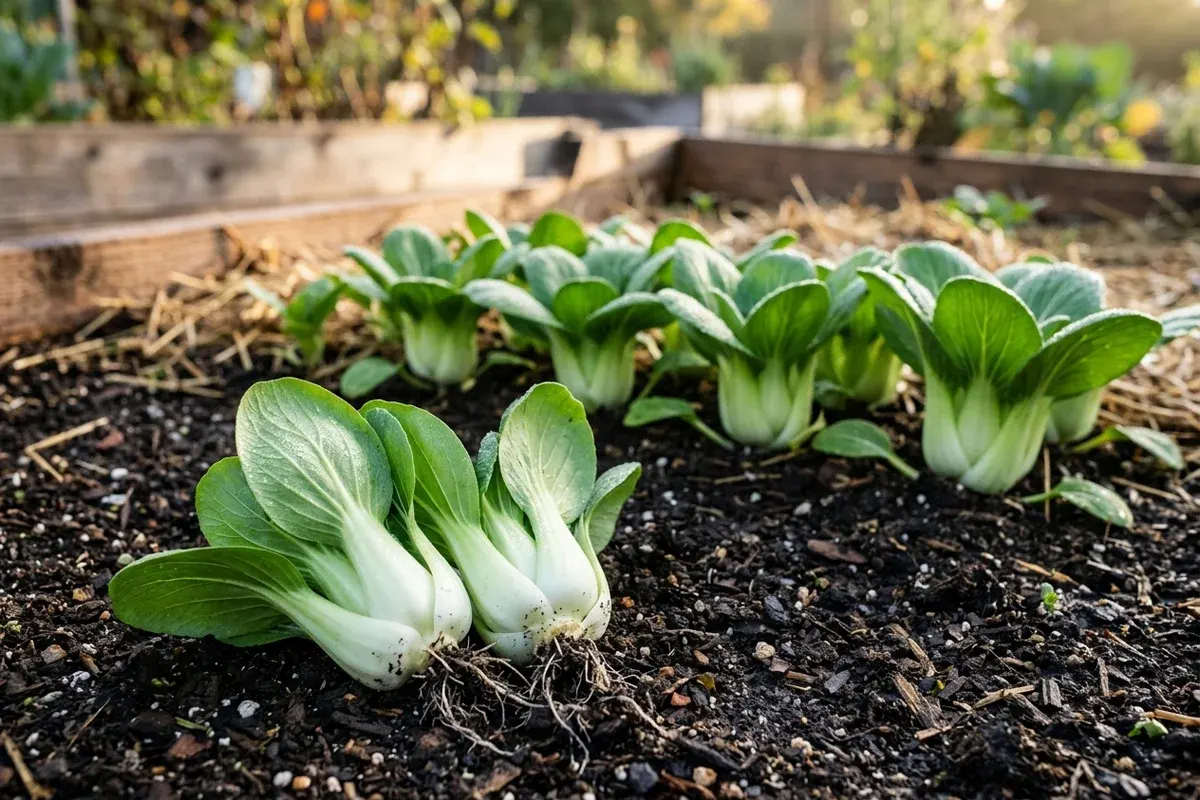
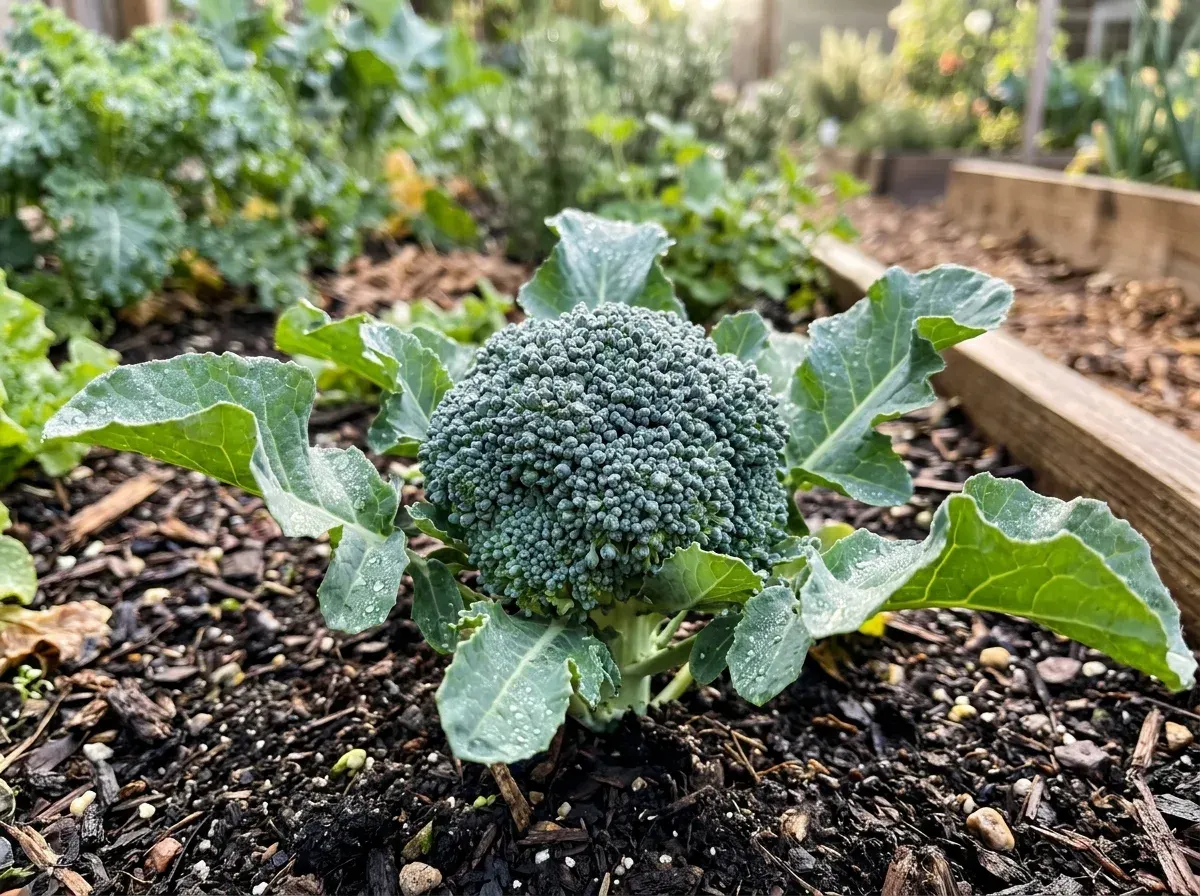
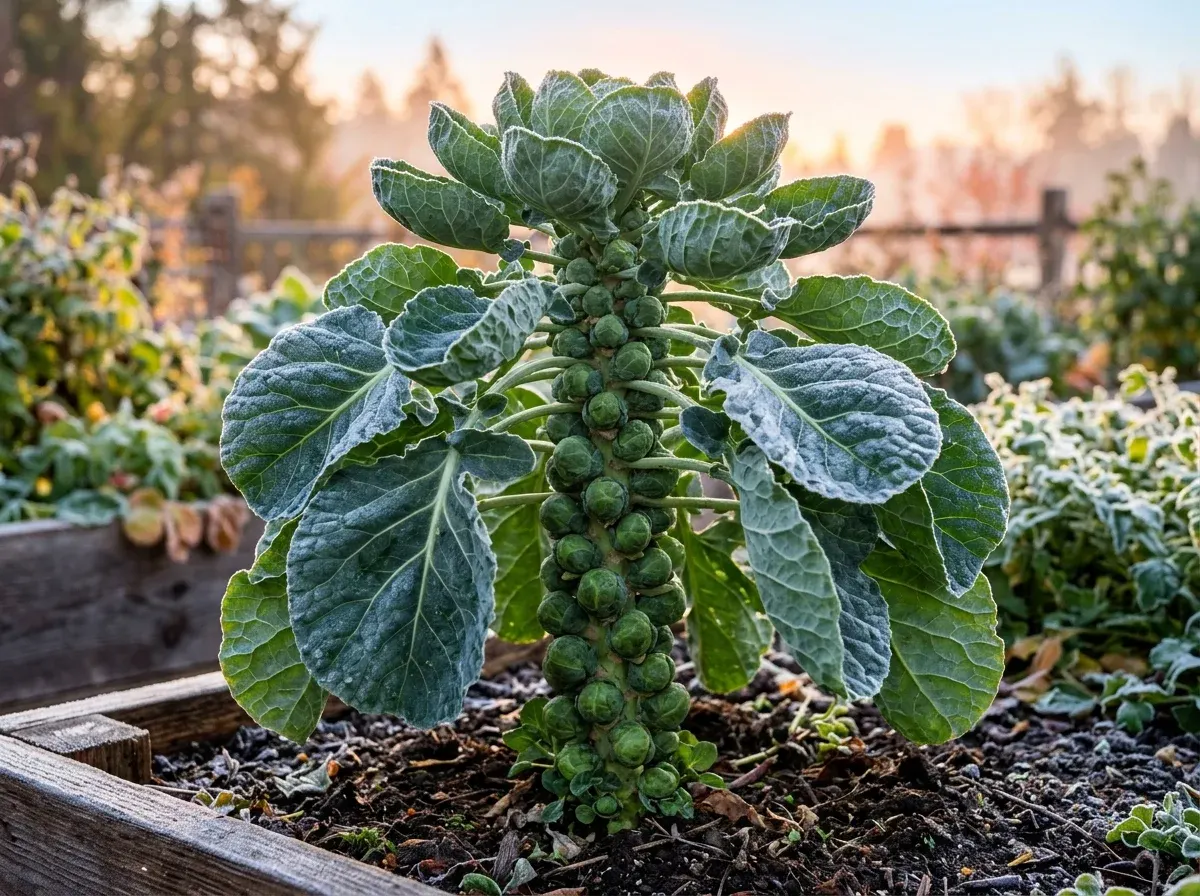
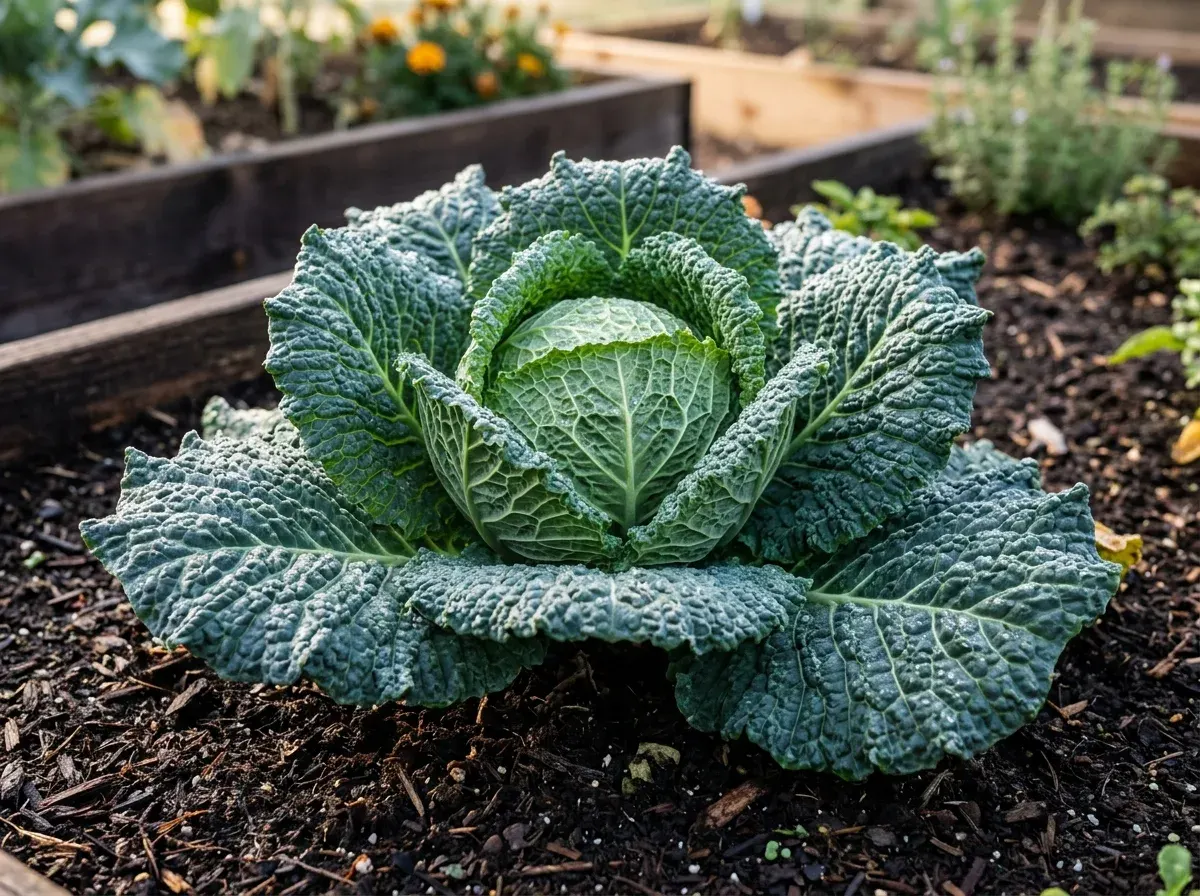
- Cabbage & Brassicas (Cabbage, Brussels Sprouts, Bok Choy): Celery's pungent herbal aroma masks brassicas from cabbage white butterflies and loopers.
- Tomatoes (Tomato Profile): Tall tomato vines cast dappled afternoon shade, protecting celery from heat-induced bitterness.
- Bush Beans (Green Beans Profile): Fix biological nitrogen in the root zone without casting aggressive shade.
Plants to Keep Away
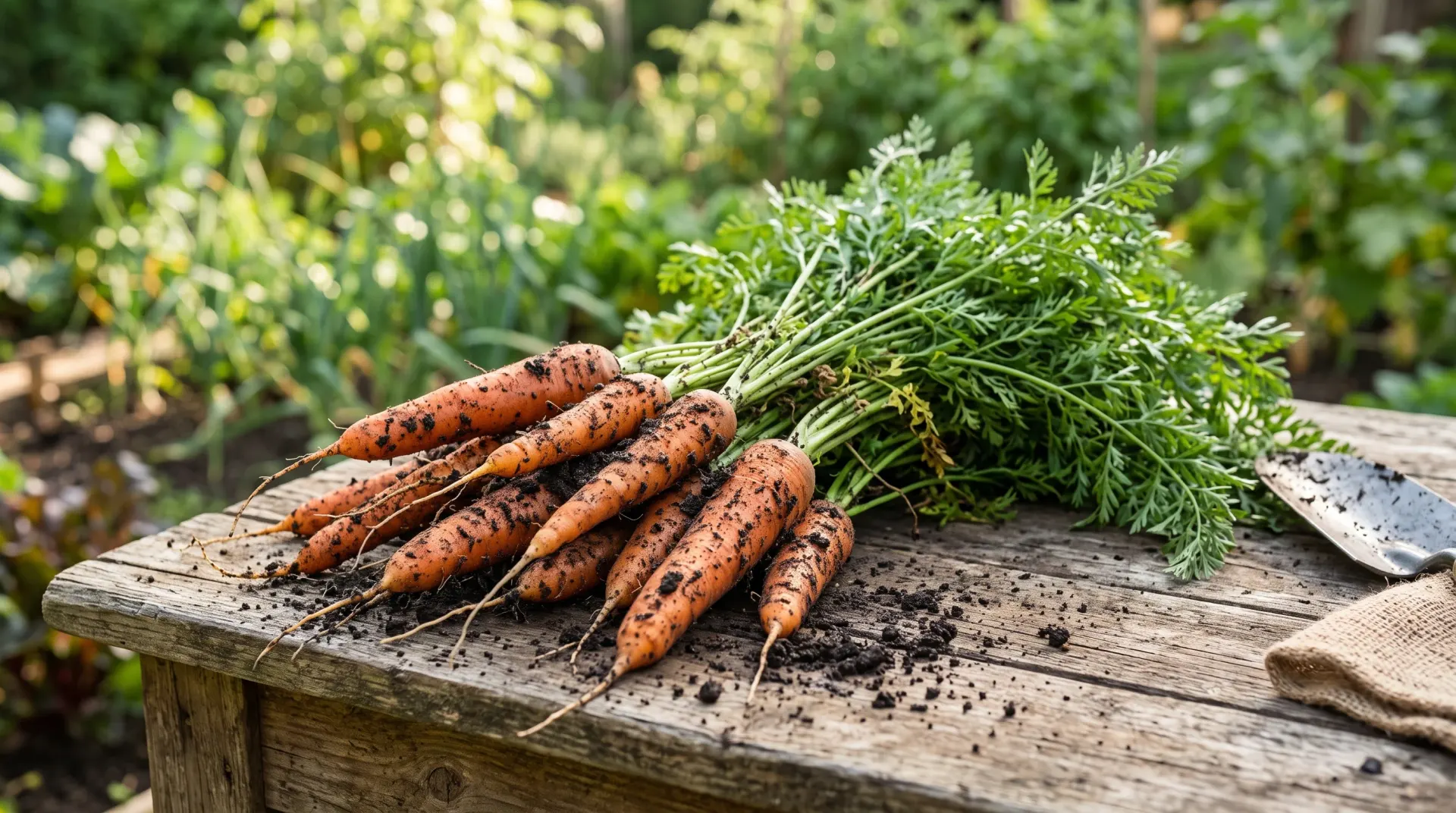
Avoid planting celery directly adjacent to Parsnips or Carrots. Being close relatives in the Apiaceae family, they share common root rot fungi, celery fly leaf miners, and carrot rust fly infestations. Cross-check your garden beds using our Companion Plant Checker.
Harvesting & Culinary Storage
Celery offers versatile harvesting options:
- Stalk-by-Stalk: Snap off outer mature ribs with a quick downward pull whenever you need a single stalk for a mirepoix or salad. The plant will continue regenerating new stalks from the inner core for months.
- Whole Bunch Cut: Sever the entire plant at ground level using a sharp harvest knife, keeping the basal root plate intact to hold the ribs together.
- Crisping in Cold Water: Submerge cut stalks in ice water for 30 minutes after harvesting to maximize cellular turgor pressure and crispness.
- Long-Term Storage: Wrap unwashed celery tightly in heavy aluminum foil (which allows natural ethylene gas to escape while locking in humidity) and store in the refrigerator crisper at 34°F–36°F (1°C–2°C) for up to 4 to 6 weeks.
Related Guides & Planning Tools
- Drip Irrigation Layout & Emitter Spacing Guide — Automated moisture systems for thirsty vegetables.
- Drip Irrigation Calculator — Size tubing, fittings, and flow rates.
- First & Last Frost Dates by City — Calculate precise spring transplant windows.
- Raised Bed Soil Calculator — Determine cubic yards and compost ratios for raised beds.
- Companion Plant Checker — Verify pest-repelling garden combinations.
Beneficial Companion Plants for Celery
Plant celery near: Leek, Cabbage, Tomato, Spinach, Bush Beans.
FAQ
Why is homegrown celery often bitter or tough compared to grocery store celery?
Bitterness and toughness in garden celery are caused by drought stress, excessive summer heat, or lack of blanching. Supermarket celery is grown in commercial muck soils with flood irrigation and heavily blanched to block sunlight. To grow sweet, juicy celery at home, provide 1.5 to 2 inches of water weekly and slip cardboard sleeves around the stalks 2 weeks before harvest.
Why do celery seeds take so long to sprout indoors?
Celery seeds are tiny and photoblastic, meaning they require light to break dormancy. If you bury them under dirt, they will never germinate. Scatter seeds on top of damp seed-starting mix, press them gently to make soil contact without covering, and maintain temperatures around 70°F (21°C). Sprouting typically takes 14 to 21 days.
How do you blanch celery in a raised bed?
Blanching deprives the lower stalks of sunlight, slowing chlorophyll production to make the ribs tender, sweet, and pale. Two to three weeks before harvesting, wrap the lower 8 to 10 inches of each celery stalk bundle with brown butcher paper, newspaper, or a cut open half-gallon milk carton tied loosely with twine, leaving only the top foliage exposed.
What is celery blackheart and how do you prevent it?
Blackheart is a physiological calcium deficiency that causes the young inner heart leaves to turn brown, die, and rot. It is rarely caused by a lack of calcium in the soil; rather, it occurs when uneven watering prevents roots from transporting calcium upward during hot dry spells. Maintain steady, consistent soil moisture and avoid excessive nitrogen fertilizers.
Can you harvest individual celery ribs without killing the whole plant?
Yes. Simply slice or snap off the outer 2 to 3 mature ribs 1 inch above ground level as needed for cooking. The central core will continue producing new stalks outward for months right into late autumn frosts.