How to Grow Beets
Beta vulgaris

By Efraín Vega · Published October 28, 2026
Sun
Full sun to partial shade (4–6+ hrs)
Water
1 in/week; steady moisture prevents woody texture
Spacing
3–4 in apart after thinning (12–18 in row spacing)
Soil pH
6.0–7.5 (intolerant of acidic soil below 6.0)
Days to maturity
50–65 days from direct seeding
Hardiness zones
Hardy annual/biennial in zones 2–11; withstands light frost to 25°F
When to plant: Early spring (2–4 weeks before last frost) and late summer for autumn harvest • Calculate planting dates for your city →
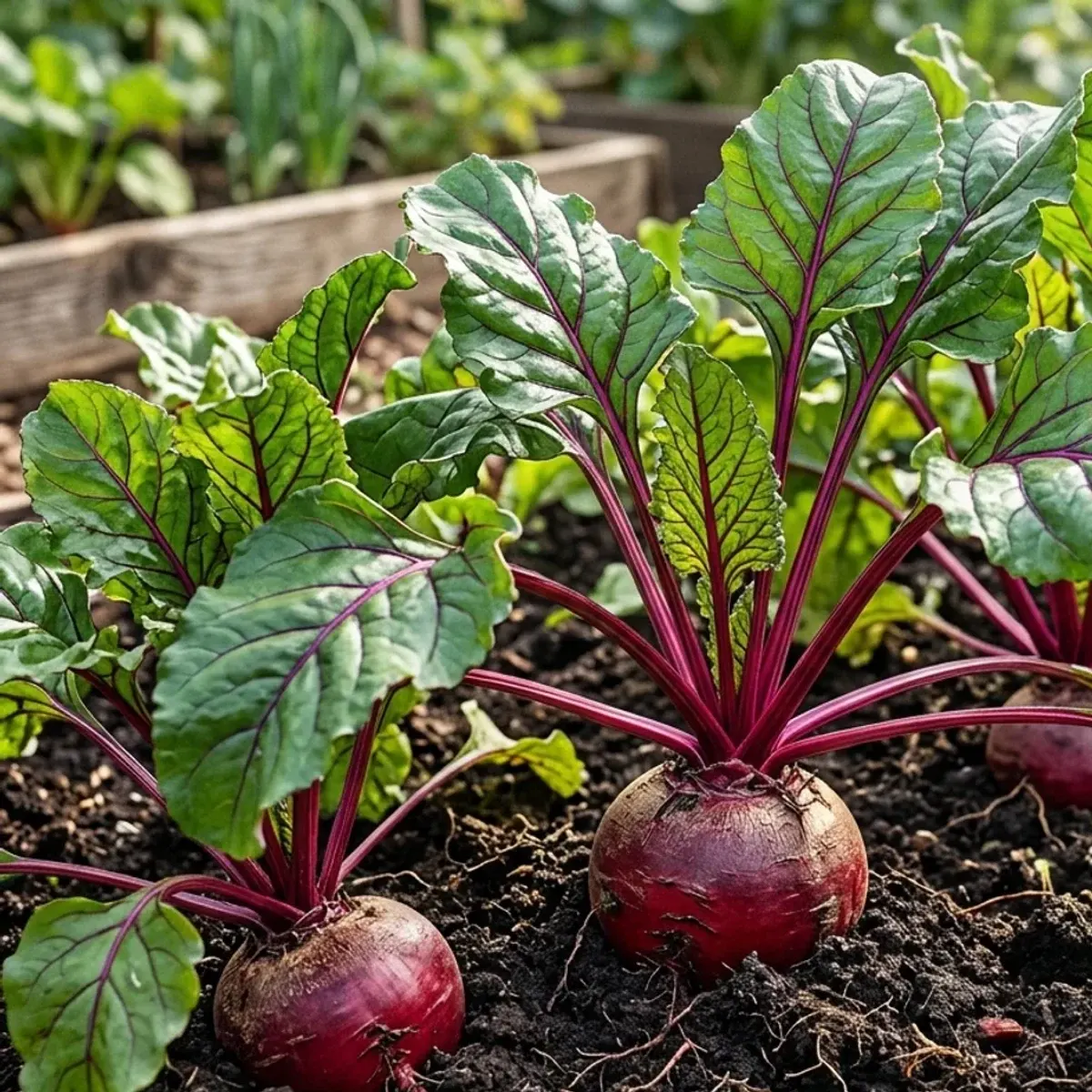
Beets are dual-purpose, cold-hardy root crops prized for both sweet globes and tender, vitamin-rich greens. They require loose, rock-free soil, consistent moisture of 1 inch per week, and thinning to 3 to 4 inches apart.
Direct seeding works best, as root crops dislike transplant root disturbance. Because beets tolerate light frosts, they are ideal for bookending the gardening season in early spring and late autumn.
When should you plant beets?
Sow beet seeds directly outdoors 2 to 4 weeks before your average last spring frost, as soon as garden soil is dry enough to rake smoothly. Soil temperature should be at least 45°F for reliable germination, with optimal sprouting occurring between 50°F and 75°F.
According to Cornell Cooperative Extension, for a continuous supply of tender roots throughout summer, succession plant small rows every 2 to 3 weeks until mid-summer. For a sweet fall harvest, sow seeds 8 to 10 weeks before the first hard fall freeze; cool autumn nights trigger higher sugar accumulation in the roots.
Spacing and the importance of thinning
Beet "seeds" are botanically rough seedballs containing multiple embryos. Sow seeds approximately 1/2 inch deep and 1 to 2 inches apart.
When seedlings reach 2 inches in height, thin them to 3 to 4 inches apart. Snipping surplus seedlings at the soil surface with small scissors prevents root disturbance to the keeper plant. Thinned baby greens make tender salad additions.
In intensive raised bed grids, beets can be planted in a 3-to-4-inch grid pattern, allowing up to 9 to 12 beets per square foot of bed space.
Soil and nutrition requirements
Beets demand neutral to slightly alkaline soil with a pH between 6.0 and 7.5. They are sensitive to acidic conditions; in soils with a pH below 6.0, seedlings often exhibit stunted root growth and red, purple, or scorched leaf margins.
यूनिवर्सिटी of Minnesota Extension notes that beets have a high requirement for boron, a trace mineral. In boron-deficient soils, beets develop internal black rot or corky dark spots inside the root. Incorporating composted manure or balanced organic matter before planting prevents micronutrient deficiencies.
Avoid excess nitrogen
High-nitrogen fertilizers encourage massive, upright tops at the expense of bulbous root development. Use compost and a balanced or low-nitrogen, high-potassium fertilizer (such as 5-10-10) to support healthy root expansion.
Watering for tender roots
Maintain steady, even soil moisture. Dry spells followed by heavy rain cause beets to crack, split, or turn fibrous and woody. A consistent 1 inch of water weekly, paired with an organic straw or leaf mulch, keeps soil cool and moist.
Harvesting beets and greens
You can begin harvesting tender outer leaves once they reach 4 to 6 inches long, leaving at least 4 to 5 inner leaves to nourish root growth.
Begin pulling roots when they reach 1.5 to 2.5 inches in diameter (golf-ball to tennis-ball size). Overgrown beets become tough, woody, and dull in flavor. Twist off the leafy tops 1 inch above the root crown rather than cutting them close, which helps prevent bleeding during cooking and storage.
Planning a cool-weather root bed? Calculate your compost and soil depth with the Raised Bed Soil Calculator to ensure at least 10–12 inches of loose growing depth.
Sources: UMN Extension — Growing Beets in Home Gardens, Cornell Cooperative Extension — Beets, Clemson HGIC — Beet & Chard.
FAQ
Why do multiple beet seedlings sprout from a single seed?
Beet seeds are actually rough seed clusters (multigerm fruits) containing 2 to 4 true seeds inside. Thinning is essential once sprouts reach 2 inches tall to ensure each root has room to expand.
Can you eat beet greens?
Yes. Beet greens are nutritious and flavorful, closely related to Swiss chard. You can harvest a few outer leaves from each plant during the growing season without hindering root growth.
What makes garden beets taste earthy or woody?
The earthy taste comes from geosmin, a natural compound produced by soil microbes and concentrated in beets. Woodiness, however, is caused by irregular watering, extreme heat, or leaving roots in the ground past their optimal harvest size (over 2.5 to 3 inches in diameter).
Do beets need full sun?
While beets produce the fastest growth and largest roots in full sun (6+ hours), they tolerate partial shade (4–5 hours) better than fruiting crops like tomatoes or peppers.
How deep does soil need to be for growing beets?
Beet taproots require at least 8 to 10 inches of loose, uncompacted soil free from stones to develop round, uniform roots without forking or distortion.