Companion Planting Chart & Checker Tool
Plan harmonious raised beds using scientific botanical pairing principles. Select any crop to view beneficial garden allies, natural pest-repellent shields, and aggressive plants that should never share root space.
Vegetable Compatibility & Matrix
Find scientifically proven companion pairings, biological pest shields, and plants to keep apart.
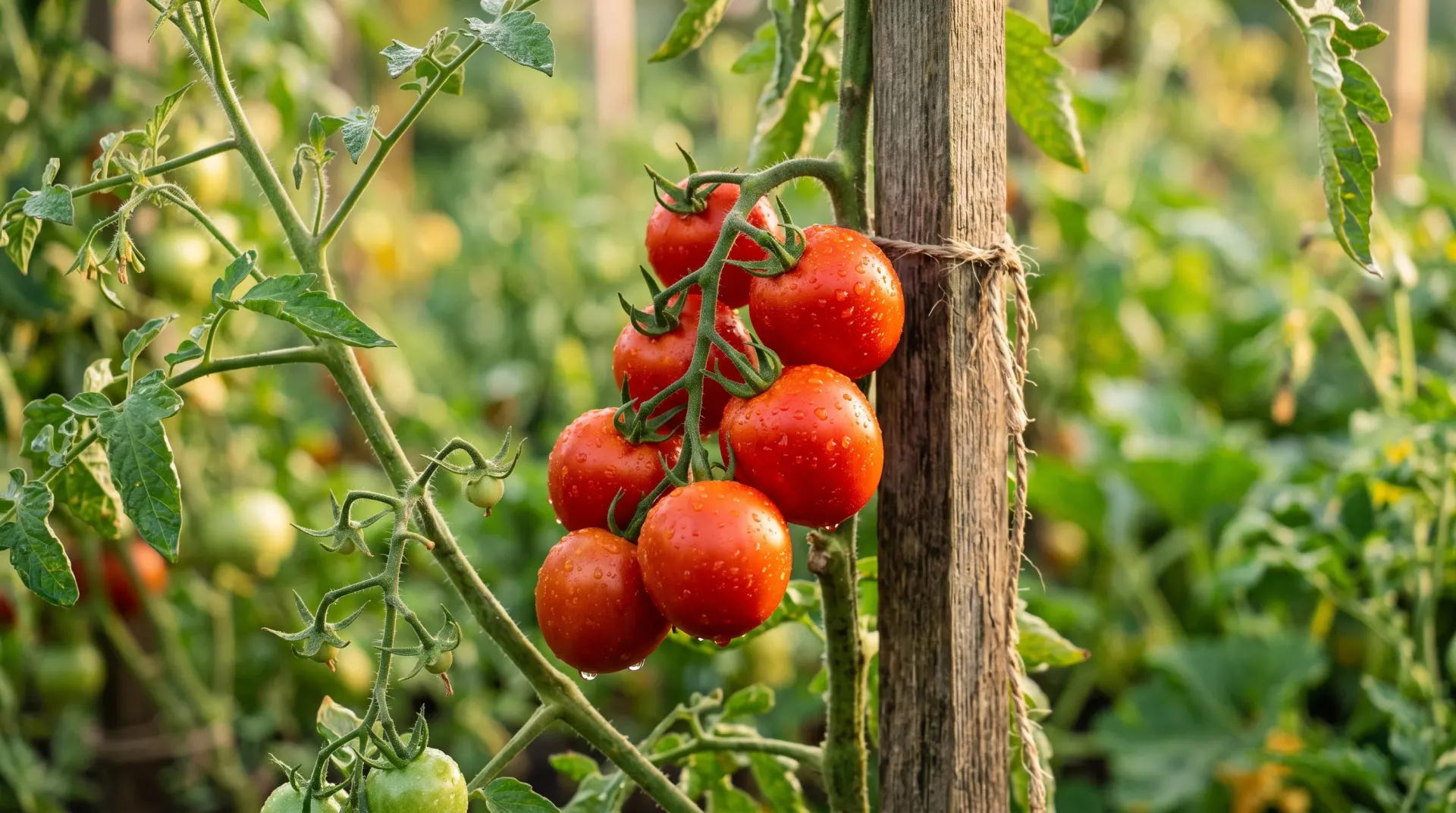
Tomato
vegetableSolanum lycopersicumHeavy feeders requiring full sun and deep soil. Pair with aromatic herbs to mask volatile scent trails and suppress hornworms.
Beneficial Companions (6)
Plants that boost vigor, fix nutrients, or repel pests.
Repels hornworms, thrips, and whiteflies while improving fruit flavor through volatile terpene release.
Root exudates (alpha-terthienyl) eliminate root-knot nematodes; pungent blooms deter whiteflies.
Breaks subsoil crust with deep taproots without competing for surface soil nutrients.
Allicin compounds act as a natural antifungal shield against early and late blight spores.
Lacy flower umbels attract beneficial parasitic mini-wasps that parasitize hornworm caterpillars.
Shallow roots provide living groundcover, keeping tomato root zones cool and moisture-consistent.
Antagonistic Neighbors (5)
Never plant adjacent: stunt growth, compete for nutrients, or spread disease.
Excretes allelopathic root exudates that severely stunt tomato vascular growth and flower formation.
Shares devastating late blight (Phytophthora infestans) and attracts matching Colorado potato beetles.
Heavy competing brassica that stunts tomato fruiting and depletes trace calcium.
Attracts the identical pest: corn earworms and tomato fruitworms are the exact same moth (Helicoverpa zea).
Depletes high levels of potassium and micronutrients required for tomato fruit swelling.
The 4 Biological Mechanisms of Companion Planting
Companion planting is not folklore—it is applied chemical ecology. Interplanting complementary plant families in your raised bed replicates natural polyculture ecosystems and reduces the need for synthetic pesticides and synthetic fertilizers.
1. Olfactory Masking
Pungent herbs like rosemary, basil, and garlic release airborne terpene volatiles that mask the scent of vegetables from pests like carrot rust flies and cabbage moths.
2. Nitrogen Fixation
Legumes (green beans, peas) harbor symbiotic Rhizobium bacteria in their root nodules, converting atmospheric nitrogen gas into bioavailable plant food for heavy feeders.
3. Living Root Mulch
Shallow leafy greens (lettuce, spinach) carpet the ground under tall staking tomatoes, cooling the root zone and locking in moisture without competing for deep mineral reserves.
4. Sacrificial Trapping
Fast-germinating radishes and sticky calendula lure beetles, aphids, and flea beetles away from tender main crop crowns, absorbing damage while your primary harvest thrives.
Frequently Asked Questions
What should you NOT plant next to tomatoes?↓
Never plant fennel, potatoes, cabbage, broccoli, or sweet corn directly adjacent to tomatoes. Fennel excretes allelopathic root exudates that stunt tomato growth. Potatoes share devastating late blight (Phytophthora infestans) spores. Corn attracts the identical moth pest (Helicoverpa zea, known as corn earworm and tomato fruitworm).
What are the best companion plants for peppers?↓
Basil, carrots, onions, and marigolds are elite pepper companions. Basil repels thrips, spider mites, and aphids. Marigolds release alpha-terthienyl compounds from their root hairs that eradicate destructive root-knot nematodes in warm garden soil.
How does companion planting actually work scientifically?↓
Companion planting relies on four documented botanical mechanisms: (1) Olfactory masking where pungent herb volatiles hide host crops from flying insect pests, (2) Symbiotic nitrogen fixation where legumes convert atmospheric N2 into usable root nitrates, (3) Root and canopy stratification where shallow-rooted living mulches cool soil beneath tall deep-rooted crops, and (4) Trap cropping where expendable plants like radishes lure pests away from high-value harvests.
Can you plant garlic next to strawberries?↓
Yes, garlic is one of the most effective strawberry companions. The sulfur-rich allicin volatiles released by alliums deter strawberry spider mites, slugs, and fungal root rots without affecting fruit sweetness or berry flavor.
What is the Three Sisters companion planting method?↓
The Three Sisters is a traditional Native American polyculture system pairing Sweet Corn, Climbing Pole Beans, and Winter Squash (or Pumpkins). Corn provides the living trellis poles, beans fix biological nitrogen into the soil, and sprawling prickly squash leaves form living mulch that locks in soil moisture and deters raccoons.
Planning Your Garden Bed Layout?
Once you’ve selected your plant pairings, calculate soil volume, lumber cuts, and irrigation needs: