How to Grow Leek
Allium ampeloprasum

By Efraín Vega · Published November 13, 2026
Sun
Full sun: 6–8+ hours of direct sunlight daily
Water
Consistent moisture; 1 to 1.5 inches per week. Shallow root systems dry out quickly without mulch
Spacing
6 inches apart in rows 12–18 inches apart; or 4 plants per square foot in intensive raised beds
Soil pH
6.0–6.8; fertile, rich loam with generous finished compost
Days to maturity
100–120 days from transplanting (summer varieties 90–100 days; overwintering varieties 120–150 days)
Hardiness zones
Zones 3–9; cold-hardy winter varieties withstand freeze down to 10°F (-12°C)
When to plant: Start indoors 10–12 weeks before last spring frost; transplant outdoors 3–4 weeks before last frost • Calculate planting dates for your city →
Leeks (Allium ampeloprasum) are the culinary royalty of the allium family, delivering a sweet, mild, buttery onion flavor prized in hearty autumn soups, braises, and tarts. Unlike bulbing onions, leeks produce a thick, succulent cylindrical pseudostem composed of overlapping leaf sheaths.
Because leeks require a long growing window (100 to 140 days) and have shallow, non-aggressive root systems, they perform exceptionally well in fertile, well-draining raised beds where soil temperature and blanching can be carefully controlled.
The Secret to Long White Shafts: Blanching Methods
The white portion of a leek—the culinary prized cut—is simply stem tissue that grew in total darkness. Untreated leeks will stay short and green, developing a tougher texture. Gardeners use three primary techniques to maximize the blanched shaft length:
Method Comparison for Blanching Garden Leeks:

1. THE DIBBER METHOD (Easiest & Least Gritty):
   Surface ───────○─────────○───────
                  │         │
      6" Deep     │ █ Seedling Rooted at Bottom
      Holes       │         │
   Subsoil ───────┴─────────┴───────
   (Drop seedling in hole. DO NOT fill with dirt.
    Watering naturally washes down just enough soil.)

2. TRENCH & HILLING METHOD:
   Initial Trench: Dig a 6" deep trench -> Plant at bottom.
   Month 2: Fill trench to ground level as leeks grow.
   Month 3: Mound 4"–6" of compost or soil upward against stems.

3. COLLAR METHOD (Cleanest, Zero Soil In Foliage):
   Wrap 6" cardboard tubes, unprinted newspaper, or split
   cardboard rolls around stem bases once plants reach thumb thickness.
1. The Dibber Hole Technique
The simplest method to plant nursery or seedling leeks is using a round dibber (or broom handle):
- Prepare crumbly, compost-rich bed soil.
- Poke vertical holes 6 inches deep and 6 inches apart.
- Drop one trimmed leek seedling into each hole. The green tip will stick out of the top like a snorkel.
- Do not backfill with soil. Fill each hole gently with water. The water will displace just enough soil to anchor the roots, leaving the rest of the shaft protected in dark void space where it stretches into a crisp white cylinder.
2. Hilling with Compost
If growing leeks on level ground, wait until plants reach the thickness of a pencil, then gradually mound 2 to 3 inches of compost or screened soil around the stems every 3 weeks. Always keep the soil below the lowest leaf junction ("the crotch") to prevent dirt and grit from washing between the leaf layers.
Sowing & Transplanting Schedule
Leeks germinate slowly and require early indoor preparation in late winter:
| Stage | Timing | Action |
|---|---|---|
| Indoor Sowing | 10–12 weeks before last spring frost | Sow seeds 1/4" deep in open seedling flats; keep soil at 65°F–70°F (18°C–21°C). |
| First Haircut | Seedlings reach 5"–6" tall | Trim leaf tips back to 3" to encourage sturdy, thick-stemmed stockiness. |
| Hardening Off | 4 weeks before last frost | Transition seedlings to a cold frame or sheltered porch over 7 days. |
| Outdoor Planting | 3–4 weeks before last frost | Plant out when stems reach pencil diameter (1/4"–3/8"). Frost-tolerant. |
| Harvest Window | Late Summer through Midwinter | Pull as baby leeks at 3/4" diameter, or allow winter leeks to hold in the ground. |
Check your regional frost windows with our First and Last Frost Date Guide or customize dates with our interactive Planting Calendar Tool.
Soil Fertility and Water Management
Leeks are heavy feeders with dense, shallow root systems that do not compete well against invasive weeds or drought:
- Soil Structure: Loose, friable loam packed with mature organic matter. Clumpy clay will misshape the stems, while sharp stones cause crooked, split shafts. Calculate ideal bed mixtures using our Raised Bed Soil Mix Guide and Raised Bed Soil Calculator.
- Fertility: Mix in 2 inches of compost plus a balanced organic fertilizer (5-5-5) before planting. Side-dress with high-nitrogen organic fertilizer (such as fish emulsion, blood meal, or compost tea) once every 3 to 4 weeks during active summer vegetative growth.
- Moisture: Provide 1 to 1.5 inches of water weekly. Because roots stay in the top 8 inches of soil, drought halts shaft elongation and causes tough fibers.
- Mulching: Apply a 3-inch layer of clean shredded straw or pine needles once plants are established. Mulch keeps soil temperatures even and suppresses weed competition. Size your straw needs with our Mulch Calculator.
Use Clean Mulch for Blanching
Instead of piling garden dirt around leek stems (which washes silt into the fan leaves), mound clean seed-free straw or shredded leaf mulch up the stalks. It blanches the stems cleanly, stays grit-free, and insulates against winter freezes.
Companion Planting for Pest Defense
Leeks produce volatile allium sulfur compounds that naturally deter garden pests, making them exceptional companions for susceptible root and brassica crops:
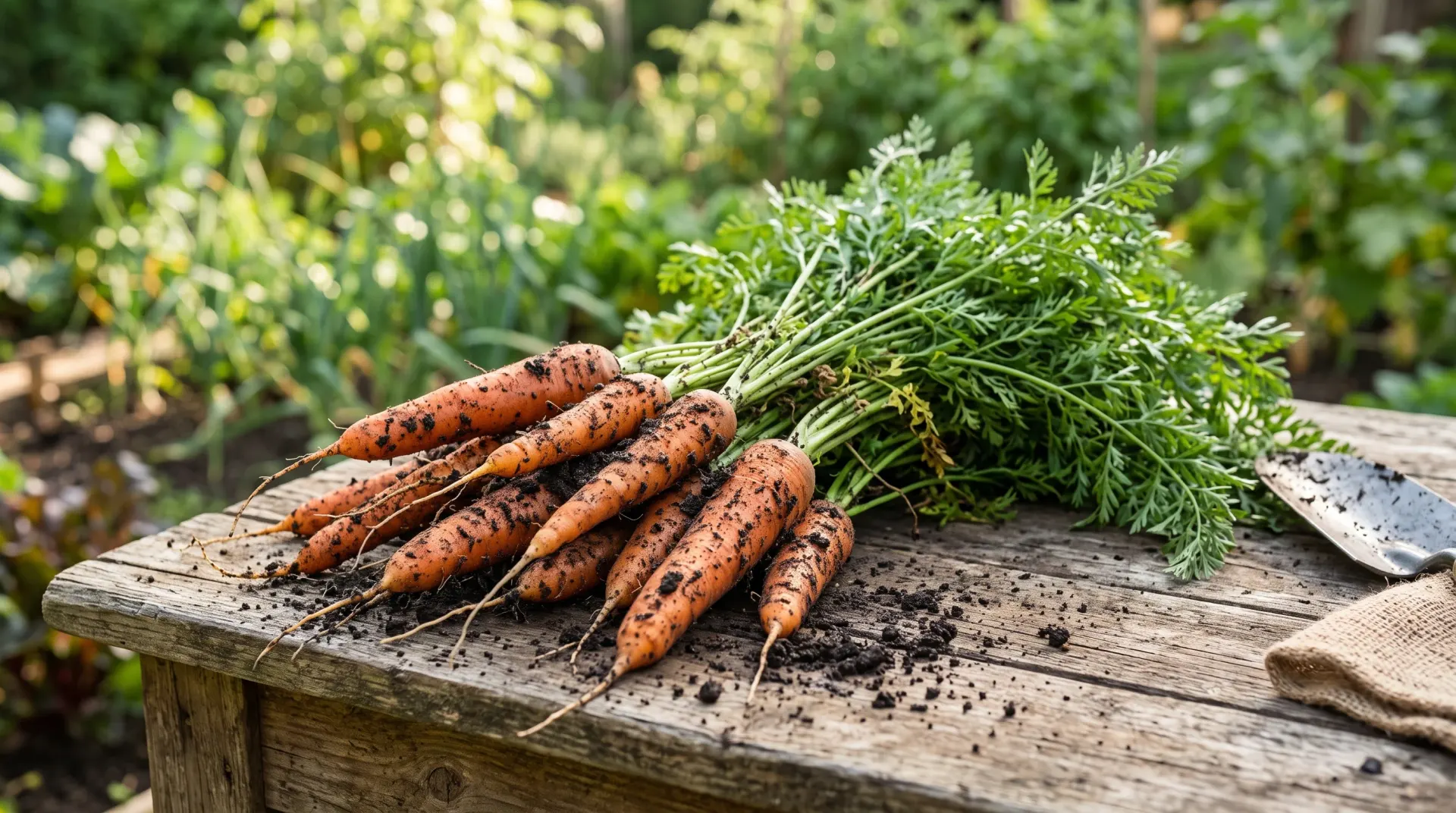
- Carrots (Carrot Profile): The ultimate symbiotic garden pairing. Leek aromatics mask the root scent from the carrot rust fly (Psila rosae), while carrot foliage helps camouflage leeks from the leek moth (Acrolepiopsis assectella).
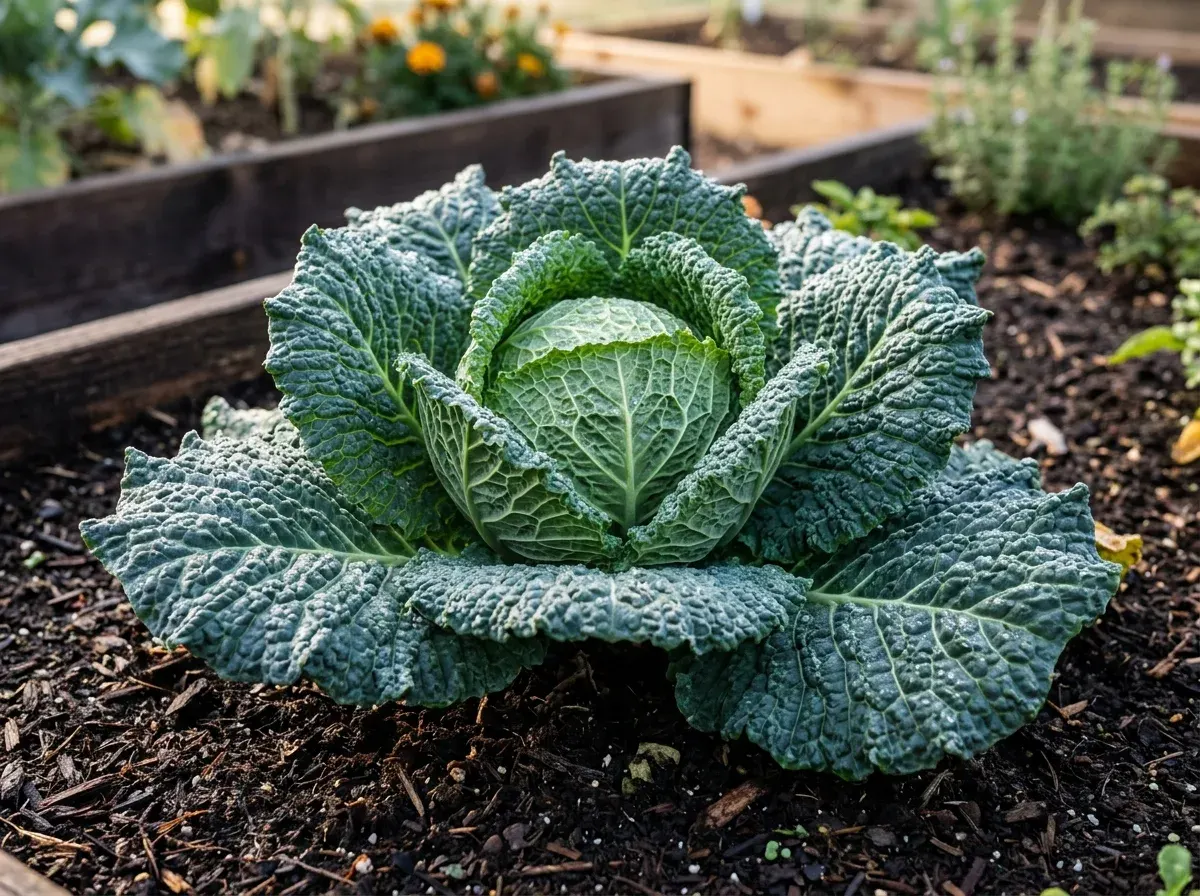
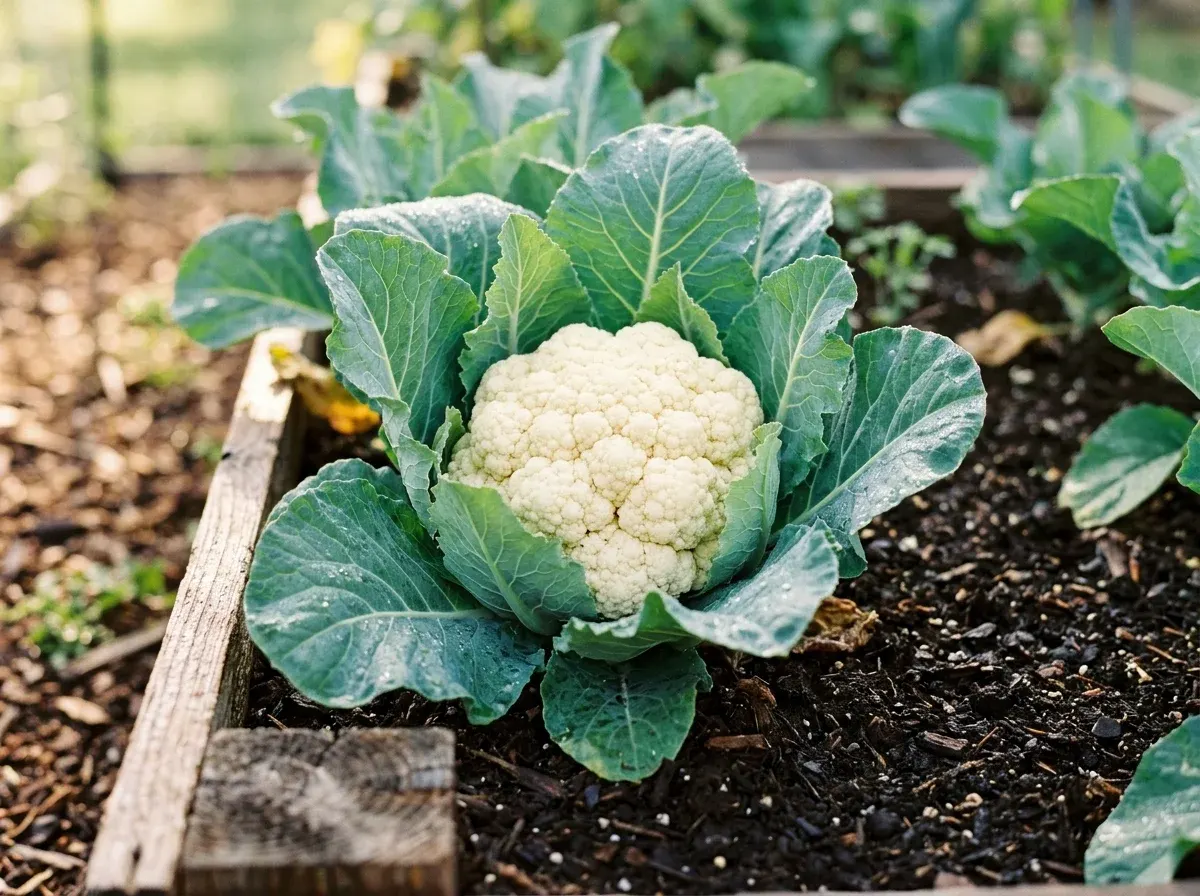
- Cabbage & Brassicas (Cabbage, Brussels Sprouts, Kale): Allium scents mask brassicas from white cabbage butterflies, aphids, and loopers.
- Strawberries (Strawberry Profile): Leek root exudates provide natural antifungal protection against botrytis crown rot.
- Lettuce & Spinach (Lettuce, Spinach): Quick-growing shallow-rooted greens fill empty surface space around upright leeks, acting as living weed blankets.
Plants to Keep Away from Leeks
Avoid planting leeks directly adjacent to Green Beans, Peas, or other legumes. Like all members of the Allium genus, leek root exudates produce antibacterial secretions that suppress beneficial Rhizobium nitrogen-fixing nodules on legume roots. Test any potential neighbor pairs in our Companion Planting Matrix Tool.
Overwintering & Harvesting Technique
Unlike summer squash or tomatoes that collapse at the first nip of autumn frost, leeks sweeten as cold weather arrives:
      WINTER HARVESTING LEVERAGE TECHNIQUE:

        Leek Stem
           ║
           ║      Garden Spading Fork
         ═════      │
        ░░░░░░░  ───┴─── (Insert 4"–6" away at a 45° angle)
        ░░ROOT░░     \
        ░░ZONE░░      \  (Gently pry upward to break root suction.
                       \  NEVER jerk by the green tops!)
- Cold Sweetening: Cool weather converts starches within the pseudostem into complex plant sugars to act as natural cellular antifreeze. Fall and winter leeks taste significantly sweeter than summer harvests.
- Loosen Before Pulling: Never grab leek foliage and yank upward. The stout root system will snap the stem at ground level. Insert a garden spading fork 4 to 6 inches away from the stalk, push downward, and gently pry upward to sever soil suction before lifting the plant.
- Winter Storing in the Ground: In USDA Zones 7 and warmer, leave winter leeks in the bed all season and harvest as needed. In Zones 5–6, pile 8 to 12 inches of loose straw over the bed before the ground freezes solid. The insulating blanket prevents soil freezing, allowing you to harvest crisp leeks in January and February.
Related Guides & Planning Tools
- Raised Bed Soil Calculator — Determine exact cubic yardage and compost ratios for root-rich beds.
- How to Plant Garlic in Raised Beds — Companion allium planting techniques.
- Cover Crops for Raised Beds — Soil restoration methods after heavy allium feeding cycles.
- First and Last Frost Dates by City — Precise seasonal scheduling.
- Companion Plant Checker — Cross-reference pest repelling combinations across your garden layout.
Beneficial Companion Plants for Leek
Plant leek near: Carrot, Cabbage, Lettuce, Strawberry, Spinach.
FAQ
Why do you plant leeks in deep holes without backfilling?
The 'dibber method' involves dropping pencil-sized leek seedlings into 6-inch deep holes and watering them gently without pushing soil back in. Water settles just enough soil around the roots, while the deep dark hole automatically blanches the stem into a long, tender, sweet white shaft without trapping gritty dirt between the leaf sheaths.
How do you blanch leeks to make the white part longer?
Leek stems turn white (blanch) when deprived of sunlight. You can achieve this by trenching seedlings 6 inches deep and gradually hilling soil or compost around the stems as they grow, slipping cardboard or pipe collars around the shafts, or mounding clean straw mulch around the base.
Can leeks survive freezing winter weather in the garden?
Yes. Winter-hardy cultivars such as 'Giant Musselburgh', 'Bandit', and 'American Flag' can easily survive temperatures down to 10°F to 20°F. In cold northern zones (Zones 4–6), mulch the bed with 6 to 10 inches of dry straw or shredded leaves before deep frost so you can dig fresh leeks right through midwinter.
Why should you trim leek seedling roots and tops before transplanting?
When leek seedlings are 6 to 8 inches tall indoors, trimming the green tops down to 3 to 4 inches encourages thick, stocky stems instead of floppy, tangled threads. Trimming root tips to about 1 inch right before planting makes them easier to drop cleanly into narrow dibber holes without j-rooting.
What causes grit inside leeks and how do you prevent it?
Grit gets trapped inside leek layers when dirt is hilled haphazardly against young plants, falling into the fan-shaped leaf junctions. To prevent grit, use the dibber hole method or wrap the stems with cardboard toilet paper rolls or newspaper collars before mounding mulch or compost against them.
What is the difference between summer leeks and winter leeks?
Summer leeks (e.g., 'King Richard', 'Lincoln') mature quickly in 75–90 days, have longer, paler green foliage, and tender shafts, but will not withstand hard winter freezes. Winter leeks (e.g., 'Bandit', 'Blue Solaise') have thicker shafts, deep blue-green fanned leaves, and take 120–150 days to mature, but possess natural cold-hardy antifreeze sugars that allow them to hold in frozen ground.