Raised Bed Soil Mix Recipe: The 1/3 Ratio Rule (and Budget Alternatives)

By Efraín Vega · Published October 28, 2026
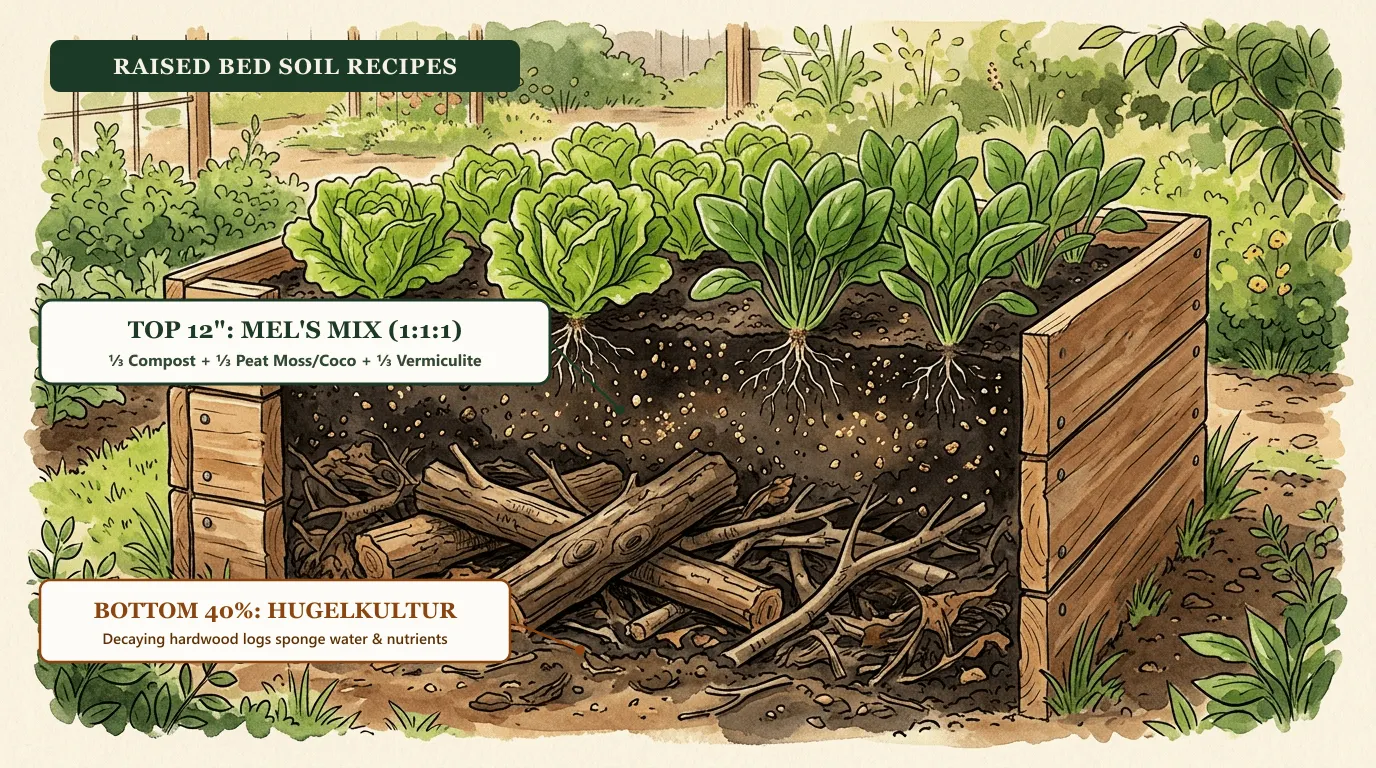
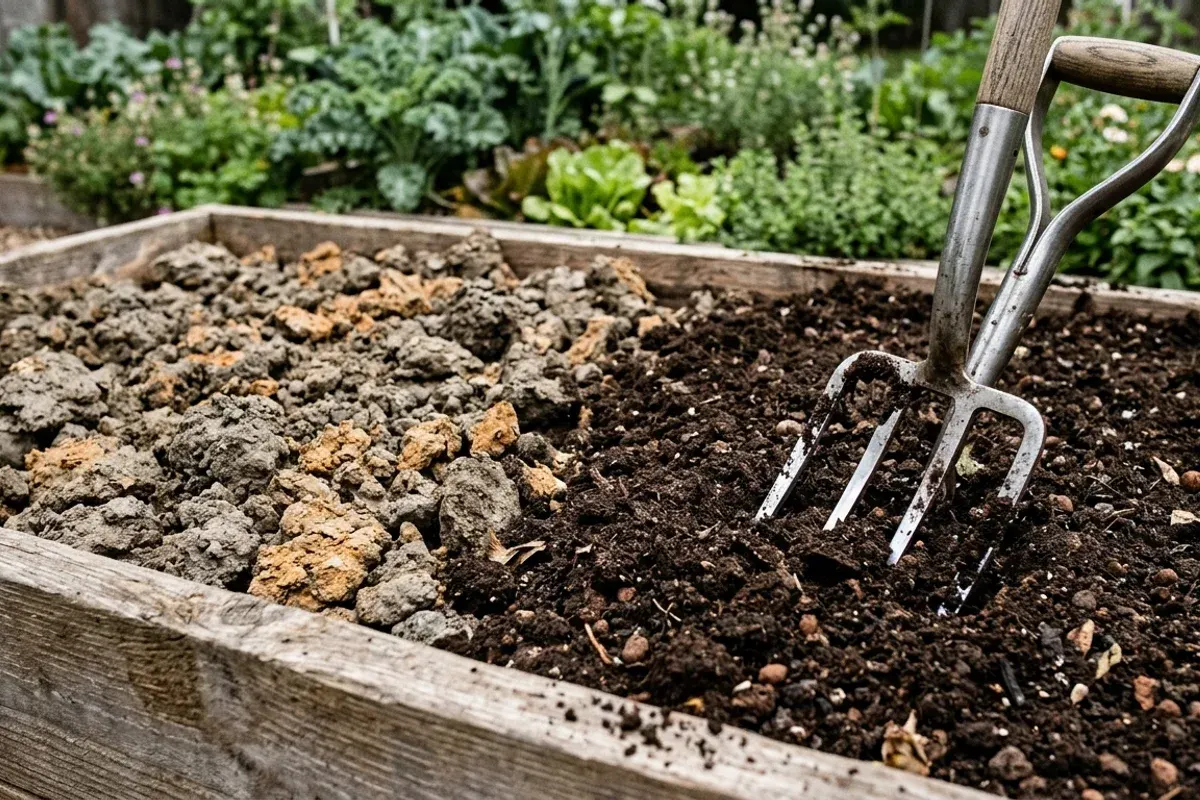
Filling a raised garden bed with ordinary native garden soil or cheap fill dirt is the fastest way to suffocate plant roots. In a confined wooden or galvanized steel frame, native soil compacts into concrete-like clay after a few heavy waterings, stunting root expansion and draining poorly.
The most proven raised bed soil recipe is Mel's Mix (invented by Mel Bartholomew, creator of Square Foot Gardening). This guide breaks down the exact 1/3 ratio, explains budget-friendly ingredient swaps, and shows how to fill deep beds for half the cost.
The Golden Formula: Mel's Mix 1/3 Ratio
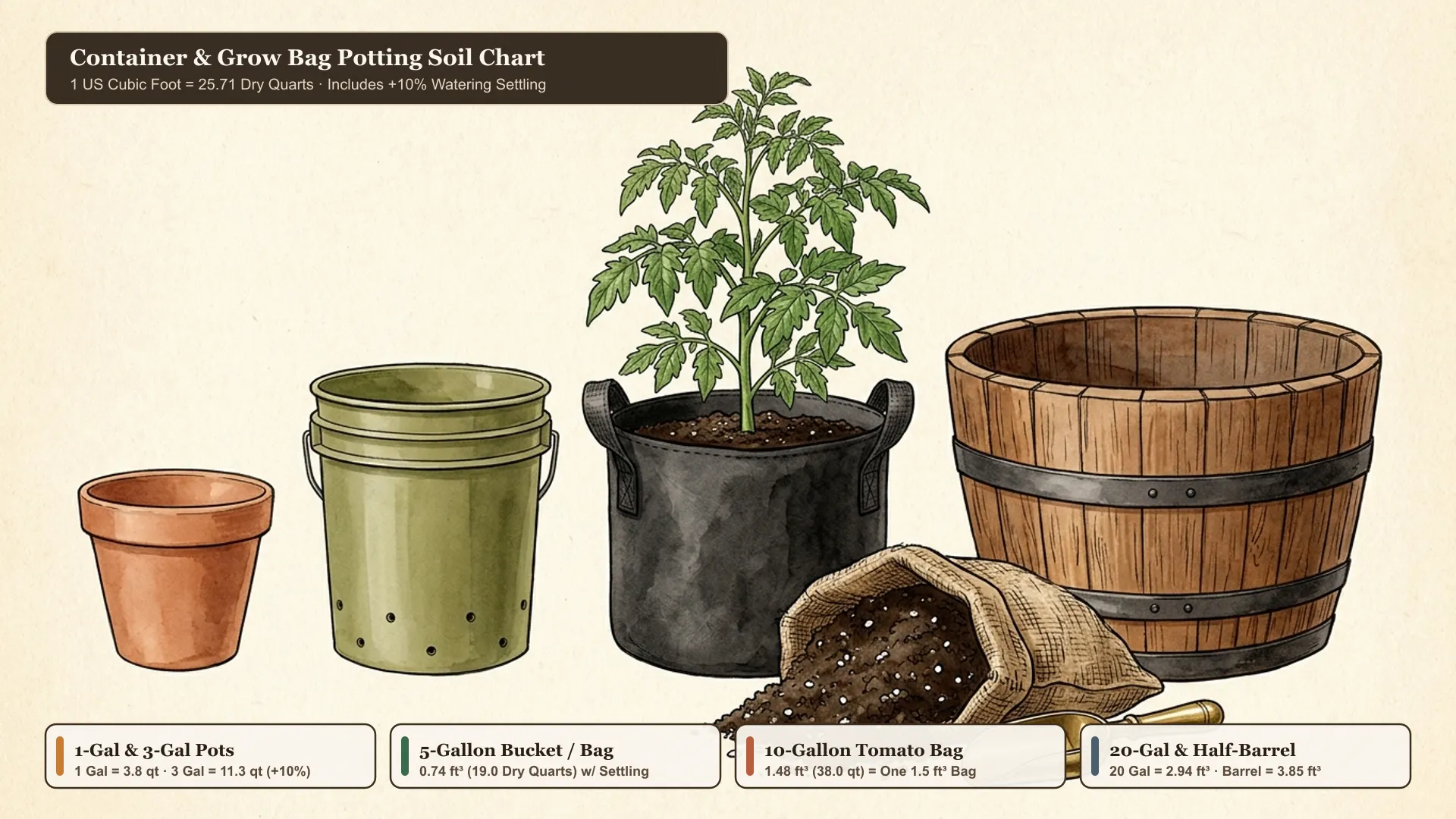
Mel's Mix is measured strictly by volume, not by weight. Bags of peat moss or vermiculite weigh a fraction of dense compost, so use cubic feet or equal-sized 5-gallon buckets as your measuring unit.
1. 1/3 Blended Compost (Nutrients & Biology)
- Role: Delivers nitrogen, phosphorus, potassium, micronutrients, and beneficial mycorrhizae.
- The Secret: Never rely on a single compost brand (e.g., just cow manure). Mix 3 to 5 different sources for complete nutrient balance:
- Well-rotted steer or chicken manure
- Mushroom compost
- Worm castings
- Local leaf mold / municipal yard compost
- Homemade vegetable scrap compost
2. 1/3 Sphagnum Peat Moss or Coconut Coir (Moisture Retention)
- Role: Holds up to 8 to 10 times its dry weight in water, acting as a reservoir that slowly releases moisture during summer heatwaves.
- Peat Moss vs. Coco Coir:
- Peat Moss: Inexpensive and widely available at garden centers. Slightly acidic (pH 3.5–4.5), which is easily balanced by compost and vermiculite.
- Coco Coir: pH-neutral (5.8–6.8), sustainable byproduct of coconut processing, and re-wets faster than dried peat moss.
3. 1/3 Coarse Horticultural Vermiculite (Aeration & Drainage)
- Role: Expands under heat into accordion-like mineral sponges. Unlike organic materials, vermiculite never decomposes or compacts. It keeps the soil fluffy, allows oxygen to reach taproots, and retains minerals through cation exchange.
- Grade: Always specify coarse or medium horticultural grade. Fine grade turns muddy.
How to Calculate Volume for Your Beds
To calculate the exact volume required for your garden box, multiply the inside dimensions:
- Cubic Feet = Length (ft) × Width (ft) × Depth (ft)
- Cubic Yards = Cubic Feet ÷ 27
Example: A standard 4 ft × 8 ft raised bed with a 12-inch (1 ft) depth:
- Total volume = 4 × 8 × 1 = 32 cubic feet (approx. 1.2 cubic yards).
- Compost needed: 10.7 cu ft (about five 2-cu-ft bags).
- Peat moss needed: 10.7 cu ft (approx. three 3.8-cu-ft compressed bales).
- Vermiculite needed: 10.7 cu ft (approx. three 4-cu-ft bags).
Calculate your exact lumber dimensions and bag counts instantly with our Raised Bed Soil Calculator.
2 Budget-Friendly Recipe Swaps
Purchasing large bags of horticultural vermiculite can get pricey for multiple raised beds. Here are field-tested alternatives that lower costs without sacrificing soil porosity:
| Goal | Ingredient to Replace | Replacement Option | Pros / Cons |
|---|---|---|---|
| Cut Cost 40% | Coarse Vermiculite | Horticultural Perlite | Inexpensive and provides superior aeration; however, perlite floats to the surface over time with top-watering. |
| Bulk Topsoil Blend | 100% Mel's Mix | 50% Screened Loam + 30% Compost + 20% Coir | Substantially cheaper when ordering by the dump-truck load from bulk landscape yards. |
| Eco-Conscious | Peat Moss | Washed Coconut Coir | Renewable, non-mined material with neutral pH; costs 15–25% more than peat moss. |
The Hügelkultur Trick: Don't Buy Soil for Deep Beds
If you built 18-inch, 24-inch, or 30-inch tall beds for ergonomic back-friendly gardening, do not buy premium soil for the entire depth. Most vegetable roots (lettuce, spinach, peppers, root crops) grow in the top 10 to 12 inches of soil.
Use a modified Hügelkultur method to fill the bottom:
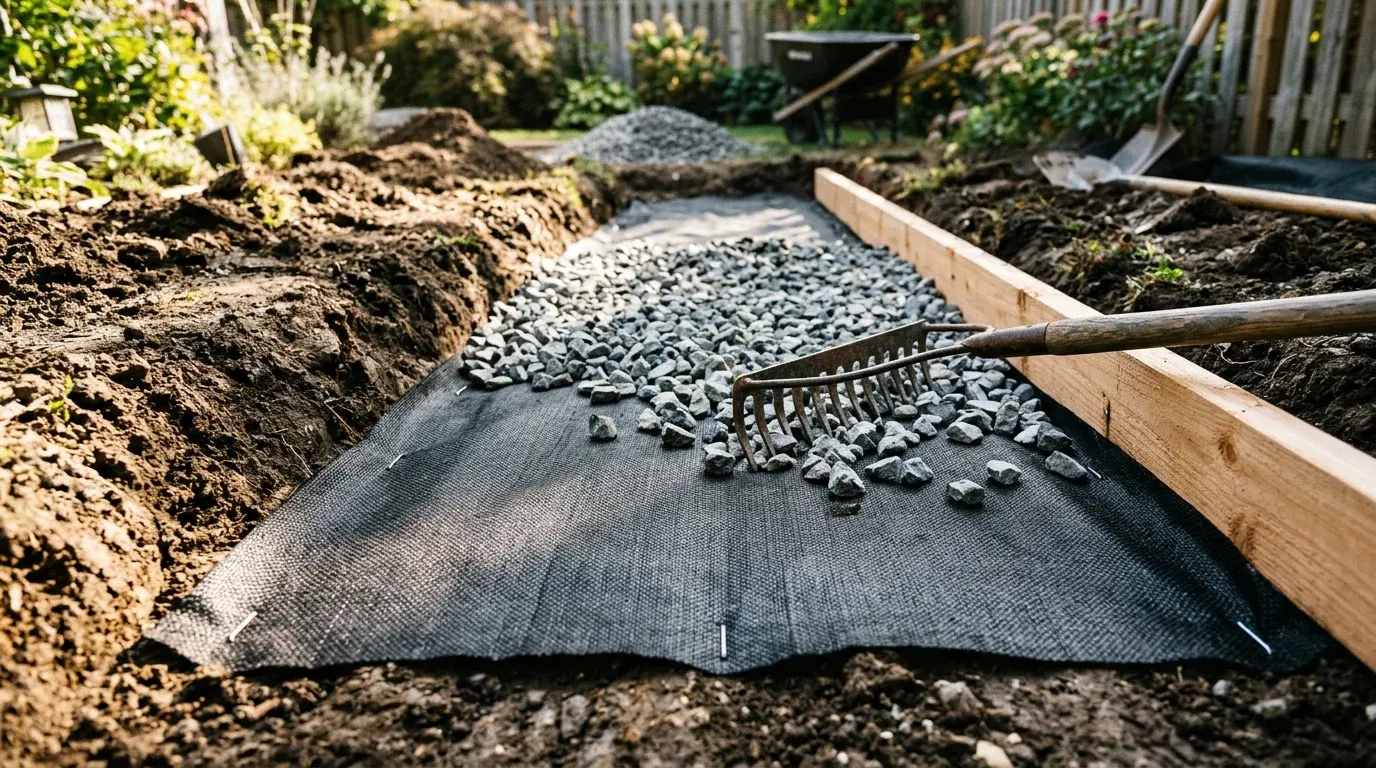
- Bottom 40% (Layer 1): Unfinished hardwood logs, fallen tree branches, and decaying stump chunks. As they slowly rot over 5–10 years, they act as underground moisture sponges and release heat to warm early spring soil.
- Middle 20% (Layer 2): Untreated dry leaves, clean straw, grass clippings, and kitchen compost scraps.
- Top 40% (Layer 3 - 10 to 12 inches): 100% Mel's Mix or screened organic loam compost blend.
This single strategy cuts total soil purchase costs by 50% to 60% and creates living fungal networks underneath your vegetable roots.
Annual Maintenance: Recharging Spent Beds
Because organic compost breaks down into bioavailable plant food, your raised bed soil will drop 1 to 2 inches each season.
You do not need to discard the soil each year. In early spring:
- Loosen the top 4 inches with a garden fork or broadfork (never rototill, which shatters vermiculite platelets).
- Top dress with 1 to 2 inches of fresh blended compost.
- Cover with a 2-inch layer of clean straw or shredded wood chips using our Mulch Calculator to lock in moisture and protect topsoil organisms.
FAQ
What is the best soil mix ratio for raised garden beds?
The most reliable mix is the 1/3 Mel's Mix ratio: 1/3 blended compost (from 3–5 different organic sources), 1/3 coarse horticultural vermiculite (or perlite), and 1/3 sphagnum peat moss (or coconut coir), measured strictly by volume.
Can I use regular topsoil or dirt in my raised bed?
Avoid filling raised beds with pure native topsoil or yard dirt. Inside an enclosed box, native clay or loam compacts densely after repeated waterings, choking root systems and draining poorly.
How do you fill deep raised beds without buying too much soil?
Use the hügelkultur method: fill the bottom 40–50% with untreated logs, decaying branches, and autumn leaves. Top off with 10–12 inches of rich soil mix. The decaying wood retains moisture and saves hundreds of dollars.
What is the difference between vermiculite and perlite in raised beds?
Vermiculite expands like miniature sponges that retain both water and nutrients, making it ideal for moisture-loving plants in raised beds. Perlite is a volcanic glass that excels at drainage and aeration, but floats to the surface over time.