How to Grow Shallots
Allium cepa var. aggregatum

By Efraín Vega · Published November 15, 2026
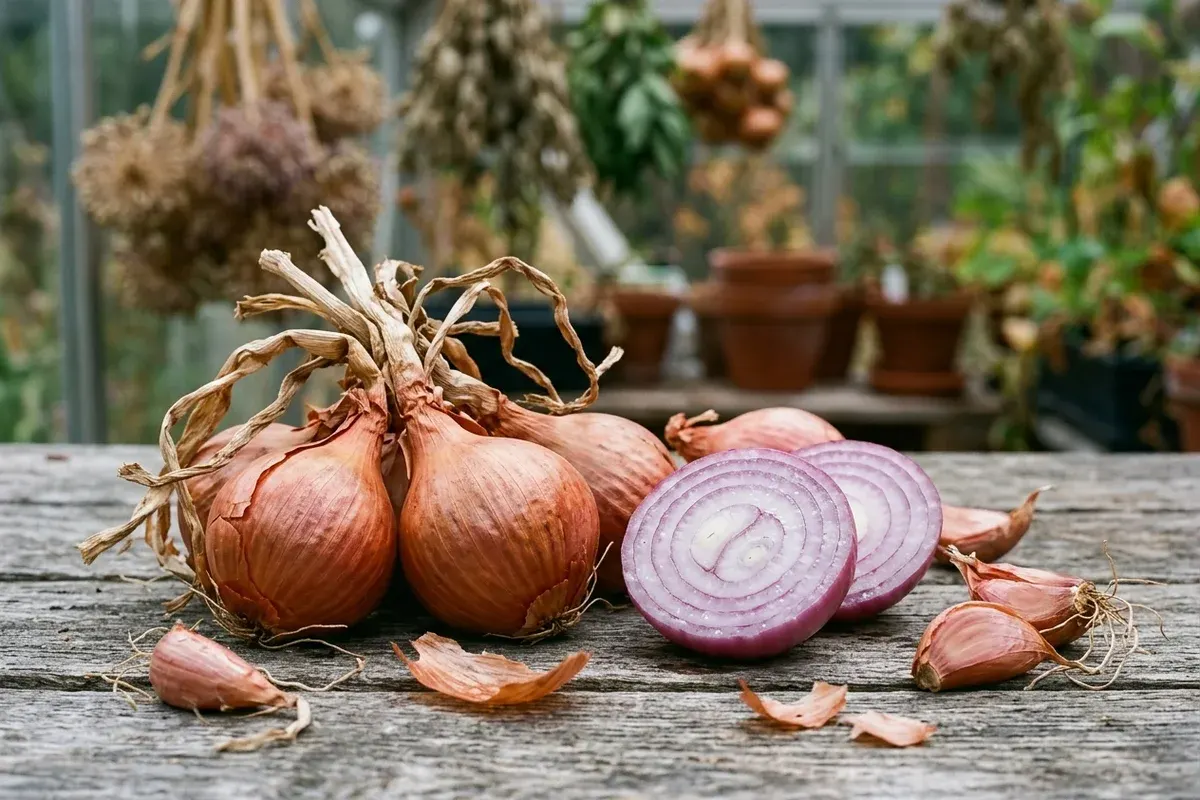
Sun
Full sun (6+ hours direct daily for optimal bulb swelling)
Water
Moderate and consistent (1 inch per week). Stop watering 2 weeks prior to harvest to allow outer tunics to dry
Spacing
6–8 inches apart in rows 10–12 inches apart (or 4 bulbs per square foot in raised beds)
Soil pH
6.0–6.8; loose, fertile sandy loam with superior drainage
Days to maturity
90–120 days for spring sets; 210–240 days for overwintered fall-planted sets
Hardiness zones
Zones 4–10 (overwinters down to -10°F / -23°C under clean straw mulch)
When to plant: Autumn (mid-October to late November) produces the largest clusters; early spring (4 weeks before last frost) in northern Zone 3–4 climates • Calculate planting dates for your city →
Shallots (Allium cepa var. aggregatum) are the prized royalty of the culinary garden. A non-negotiable foundation of French cooking, pan sauces, vinaigrettes, and reductions, shallots impart a delicate sweetness and subtle garlicky warmth without overpowering the palate.
Because gourmet shallots often command exorbitant prices at grocery stores, growing them in backyard raised beds is one of the highest-value investments a gardener can make. A single modest 4x4 raised bed can easily produce over 30 to 40 pounds of cured storage bulbs with minimal maintenance.
The Multiplier Biology: How Shallots Divide
Understanding the growth habit of shallots is key to planting and spacing them correctly:
┌────────────────────────────────────────────────────────┐
│            THE SHALLOT MULTIPLIER LIFECYCLE            │
├────────────────────────────────────────────────────────┤
│ 1. AUTUMN PLANTING: Single Clove (Top 1/3 exposed)     │
│       \  /  <- Pointed tip above soil line             │
│      (####)                                            │
│    ═════|═════ <- Soil line                            │
│        / \   <- Fleshy basal root development          │
│                                                        │
│ 2. SPRING DIVISION: Clove splits into 6–10 crowns      │
│       \  |  /      \  |  /      \  |  /                │
│      (######)     (######)     (######)                │
│    ════════════════════════════════════════            │
│                 \    |    /                            │
│ 3. SUMMER HARVEST: Cluster of 8–12 fully formed bulbs  │
│    expanding outward above ground like a bouquet!      │
└────────────────────────────────────────────────────────┘
Because the expanding bulbs push each other outward during May and June, they must not be buried deeply under heavy dirt. Leaving the clove tip exposed to the sun encourages clean, unhindered lateral expansion.
Best Soil for Shallots: pH, Drainage & Organic Nutrition
Shallots have shallow, fibrous root systems that cannot compete with heavy clay or tolerate stagnant water:
| Soil Factor | Target Specification | Optimal Garden Management |
|---|---|---|
| Soil pH Range | 6.0 – 6.8 (Ideal 6.5) | Shallots suffer nutrient lock-out in acidic soil (below 6.0). Add agricultural lime to raise pH or composted leaf mold to buffer alkaline dirt. |
| Soil Texture | Loose, sandy loam | Free-draining crumbly soil allows clusters to expand freely. In heavy native clay, follow our clay soil remediation guide. |
| Drainage Need | Rapid / Maximum | Standing winter water causes cloves to turn to mush. Grow shallots in raised beds where excess winter rain drains freely away from root plates. |
| Fertility Strategy | Moderate Nitrogen, High Phosphorus & Potassium | Avoid high-nitrogen chemical fertilizers which produce giant hollow green leaves and soft, rot-prone bulbs with poor storage life. |
The Ideal Shallot Raised Bed Mix
When filling a raised bed for alliums, use the classic 1/3 ratio:
- 1/3 Mature Blended Compost: Sourced from 2–3 origins (mushroom, manure, vermicompost) for trace minerals and slow-release biology.
- 1/3 Sphagnum Peat Moss or Coconut Coir: Holds steady moisture during spring bulb-swelling.
- 1/3 Coarse Horticultural Vermiculite or Perlite: Prevents soil crusting and compaction around the bulb cluster base.
- Use our Raised Bed Soil Calculator to size your bed volume.
Varieties: French Red vs. Dutch Yellow vs. True French Grey
Selecting the right variety determines storage longevity and flavor intensity:
| Variety Type | Skin & Flesh Color | Storage Life | Flavor & Culinary Profile |
|---|---|---|---|
| French Red (Longor / Cuisse de Poulet) | Copper-crimson skin; violet-pink concentric rings | 6–8 months | Elongated torpedo shape; prized by French chefs for classic béarnaise, red wine reductions, and shallot confit. |
| Dutch Yellow (Ambition / Conservor) | Amber-bronze papery skin; creamy white flesh | 10–12 months | Round globe shape; extraordinary long-term storage champ; crisp, savory, and exceptionally productive in home gardens. |
| True French Grey (Griselle) | Thick ash-grey skin; pinkish-grey flesh | 3–4 months | Considered the ultimate epicurean gourmet shallot with rich, pungent, melt-in-your-mouth flavor. Must be planted in fall; shorter shelf life. |
Fall vs. Spring Planting Schedules
         AUTUMN PLANTING (Recommended)                   SPRING PLANTING
  ┌──────────────────────────────────────┐     ┌──────────────────────────────────────┐
  │ Plant 4–6 weeks before hard ground   │     │ Plant 3–4 weeks before last frost as │
  │ freeze (October/November).           │     │ soon as soil is workable (March/Apr).│
  │ Massive roots develop over winter.   │     │ Shorter vegetative window; yields    │
  │ Yields 8–12 jumbo bulbs per cluster. │     │ 4–6 medium bulbs per cluster.        │
  └──────────────────────────────────────┘     └──────────────────────────────────────┘
- Fall Planting Protocol: Look up your first expected autumn frost date. Plant cloves 3 to 4 weeks after your first light frost, while the soil is still workable.
- Winter Mulching: As soon as nighttime temperatures consistently drop below 28°F (-2°C), cover the bed with 3 to 4 inches of clean wheat straw or shredded fall leaves. Mulch buffers against freeze-thaw cycles that can heave shallow cloves out of the ground.
- Spring Uncovering: In early spring, gently rake the mulch back from the crowns to let sunlight warm the bare soil around emerging green shoots.
Companion Planting for Shallots
Alliums produce volatile sulfur compounds that act as natural botanical shields:
| Companion Plant | Relationship | Mechanism & Garden Benefit |
|---|---|---|
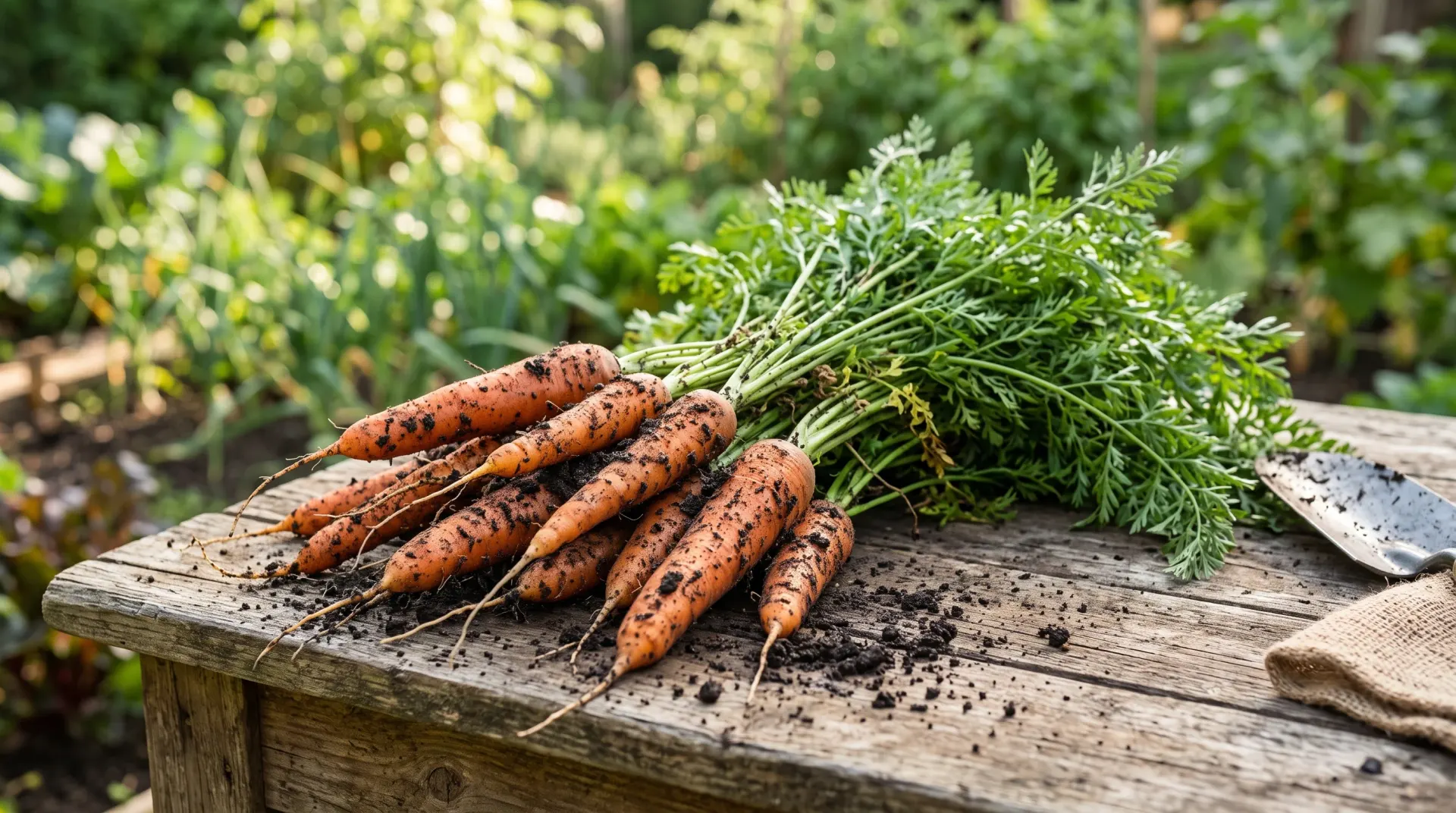
| Carrots | Classic Pairing | Shallot scents repel the carrot rust fly (Psila rosae), while carrot foliage deters the onion thrip. |
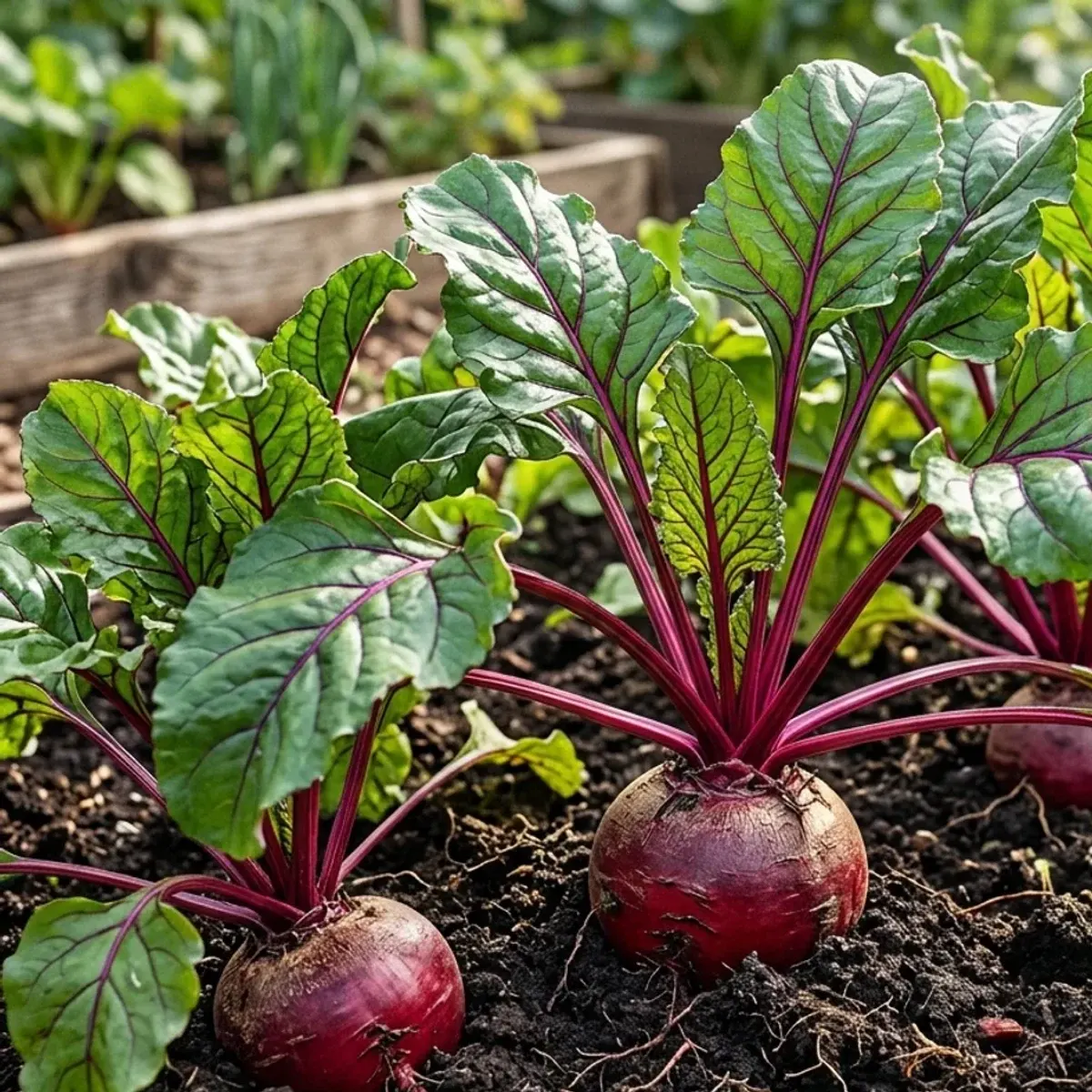
| Beets | Complementary Feeding | Beets send taproots deep into the subsoil, while shallot clusters feed in the top 4 inches. |
| Strawberries | Natural Disease Shield | Pungent allicin secretions suppress gray mold (Botrytis cinerea) and deter strawberry spider mites. |
| Tomatoes & Nightshades | Insect Deterrent | Deters spider mites, aphids, and cabbage loopers without competing for aerial canopy space. |
| Peas & Pole Beans | Antagonistic (Avoid) | Antibacterial allicin secretions sterilize Rhizobium nitrogen-fixing bacteria on legume roots. |
Harvesting, Curing & Long-Term Storage
- Visual Maturity Signs: In midsummer (July or August), the foliage will naturally yellow, bend over at the neck, and dry out. Stop all watering 10 to 14 days before harvest to allow outer skins to cure.
- Lifting the Clusters: Never pull shallots by the dried tops, which can rip the neck and expose bulbs to fungal mold. Slide a spading fork underneath the cluster and gently lever it out of the soil.
- Curing: Spread the unwashed clusters in a single layer on slatted wooden drying screens in a well-ventilated, warm (75°F–80°F), dry room out of direct sunlight for 2 to 3 weeks.
- Storage Preparation: Once skins are crackly-dry and roots are brittle, trim roots to 1/2 inch and snip foliage 1 inch above the neck (or braid the dried tops together like garlic). Store in mesh onion bags or open wooden crates at 45°F to 55°F in a dry pantry.
Beneficial Companion Plants for Shallot
Plant shallot near: Carrot, Beet, Tomato, Lettuce, Strawberry, Thyme.
FAQ
What is the difference between shallots and regular onions?
Unlike common onions (Allium cepa) which grow as single spherical bulbs from seed, shallots are multiplier alliums (aggregatum group). Plant a single shallot clove into the soil, and it divides into a cluster of 6 to 12 individual bulbs linked at the base plate. Culinarily, shallots possess a refined, sweet, complex flavor with subtle garlic undertones and far less sulfurous bite than yellow onions.
Should shallots be planted in the fall or spring?
Fall planting consistently yields the largest bulbs and heaviest cluster clusters. Like garlic, shallots benefit from cold winter vernalization, establishing massive root systems before surging into vegetative growth in early spring. In Zones 5 through 9, plant in October or November; in harsh Zones 3 and 4 with frozen ground, plant in early spring as soon as soil can be worked.
How deep do you plant shallot cloves?
Plant shallots shallowly with the pointed growing tip facing upward. Unlike garlic (which is buried 2 inches deep), leave the top 1/4 to 1/3 of the shallot clove protruding slightly above the soil surface. Planting too deep restricts multiplier division and causes neck rot.
How many shallots do you harvest from one planted clove?
A single healthy seed clove typically divides into a cluster of 6 to 10 mature shallots by midsummer. One pound of seed shallots planted in autumn typically yields 6 to 10 pounds of gourmet bulbs at harvest.
How long can cured shallots be stored?
Properly cured shallots have extraordinary shelf life. Once cured for 2 to 3 weeks in a warm, dry, shaded spot, Dutch yellow and French red shallots keep in mesh hanging bags at 45°F to 55°F for 8 to 12 months—surpassing standard storage onions.