How to Grow Sage
Salvia officinalis

By Efraín Vega · Published November 13, 2026
Sun
Full sun (6–8 hrs)
Water
Low to moderate — drought tolerant once established
Spacing
18–24 in apart
Soil pH
6.0–7.0
Days to maturity
75–85 days from seed; harvest immediately from transplants
Hardiness zones
Perennial in zones 4–8; grown as an annual in zones 9–11
When to plant: Transplant outdoors 1–2 weeks after last spring frost • Calculate planting dates for your city →
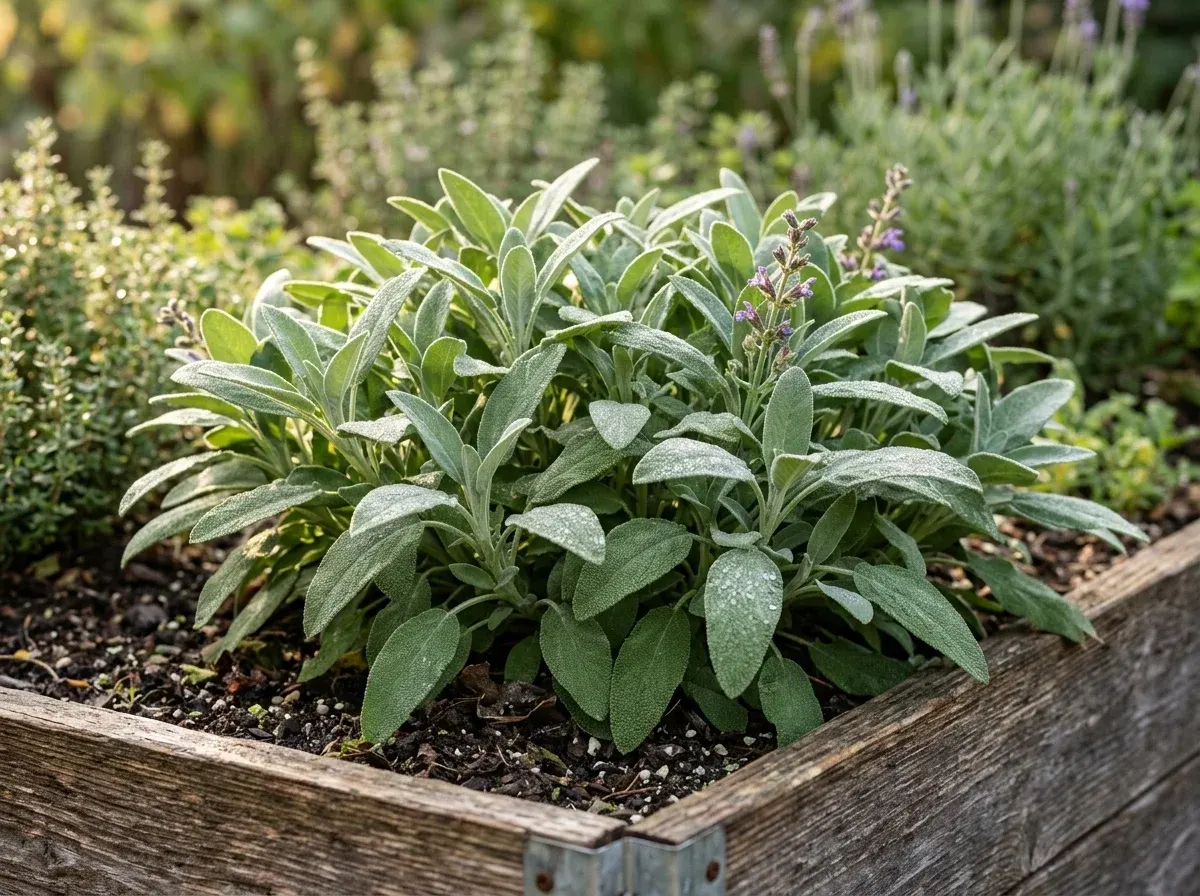
Culinary sage (Salvia officinalis) is one of the most durable, pest-repellent herbs in the home garden. Originating along the northern Mediterranean coast, sage thrives in sunny, rocky, well-draining soil where high humidity and soggy feet are absent.
Beyond its culinary prowess in poultry stuffings, brown butter sauces, and herbal teas, sage serves as an invaluable pest-confusing companion plant in organic vegetable beds.
Quick Reference Growing Guide
| Factor | Optimal Requirement |
|---|---|
| Sunlight | Full Sun (6–8+ hours of direct sunlight) |
| Soil Drainage | Excellent, gritty, free-draining sandy loam |
| Soil pH | 6.0–7.0 (neutral to slightly acidic) |
| Plant Spacing | 18–24 inches (reaches 2–2.5 ft wide and tall) |
| Hardiness | USDA Zones 4–8 (hardy perennial down to -20°F) |
| Propagation | Cuttings, layering, or nursery transplants (seed is erratic) |
Soil and Planting Requirements
Sage loathes wet feet. Heavy clay soil that holds standing water during spring thaw will suffocate root crowns and trigger Phytophthora root rot within days.
If your garden has dense clay, plant sage in a raised garden bed or a porous terracotta container. Use our Raised Bed Soil Calculator to calculate a 40% topsoil, 40% compost, and 20% coarse sand/pumice blend for rapid drainage.
Start with Cuttings, Not Seeds
Sage seeds have a notoriously low germination rate (often below 40%) and take over a year to form a harvestable bush. Buy a healthy nursery start or take a 4-inch semi-hardwood stem cutting from a mature plant in late spring. Dip the cut end in rooting hormone and place it in moist perlite; roots form in 3 to 4 weeks.
Companion Planting Synergies
Sage's pungent essential oils (rich in thujone, camphor, and cineole) produce an aromatic vapor barrier that disorients common flying garden pests:
- Brassicas (Broccoli, Cabbage, Cauliflower, Kale): Sage is famous for repelling the cabbage looper moth (Trichoplusia ni) and cabbage white butterfly (Pieris rapae), preventing them from laying eggs on cruciferous leaves.
- Carrots: Planting sage alongside carrot rows masks the scent of sweet carrot foliage, repelling the destructive carrot rust fly (Psila rosae).
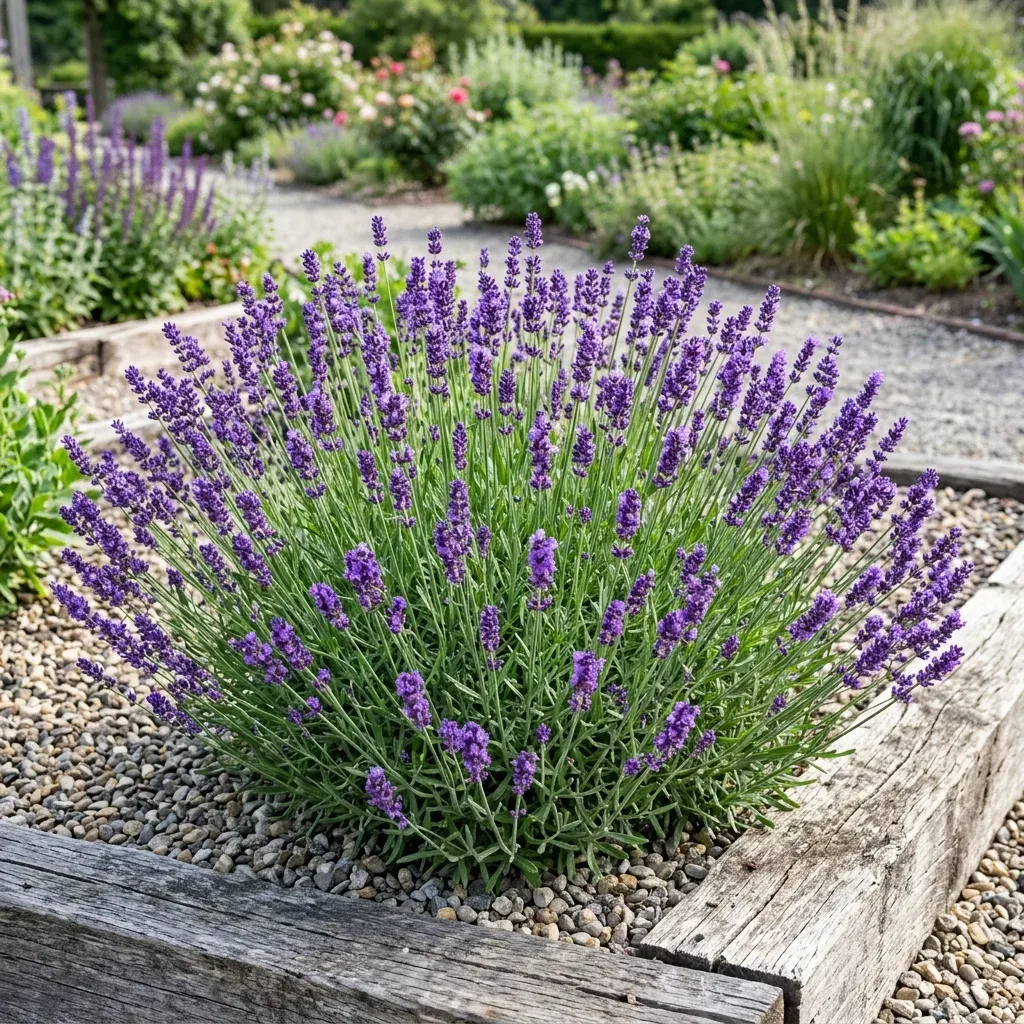
- Rosemary: Shares the exact same water, sunlight, and gritty soil preferences. Growing them adjacent creates a low-maintenance Mediterranean herb zone.
Incompatible Garden Neighbors
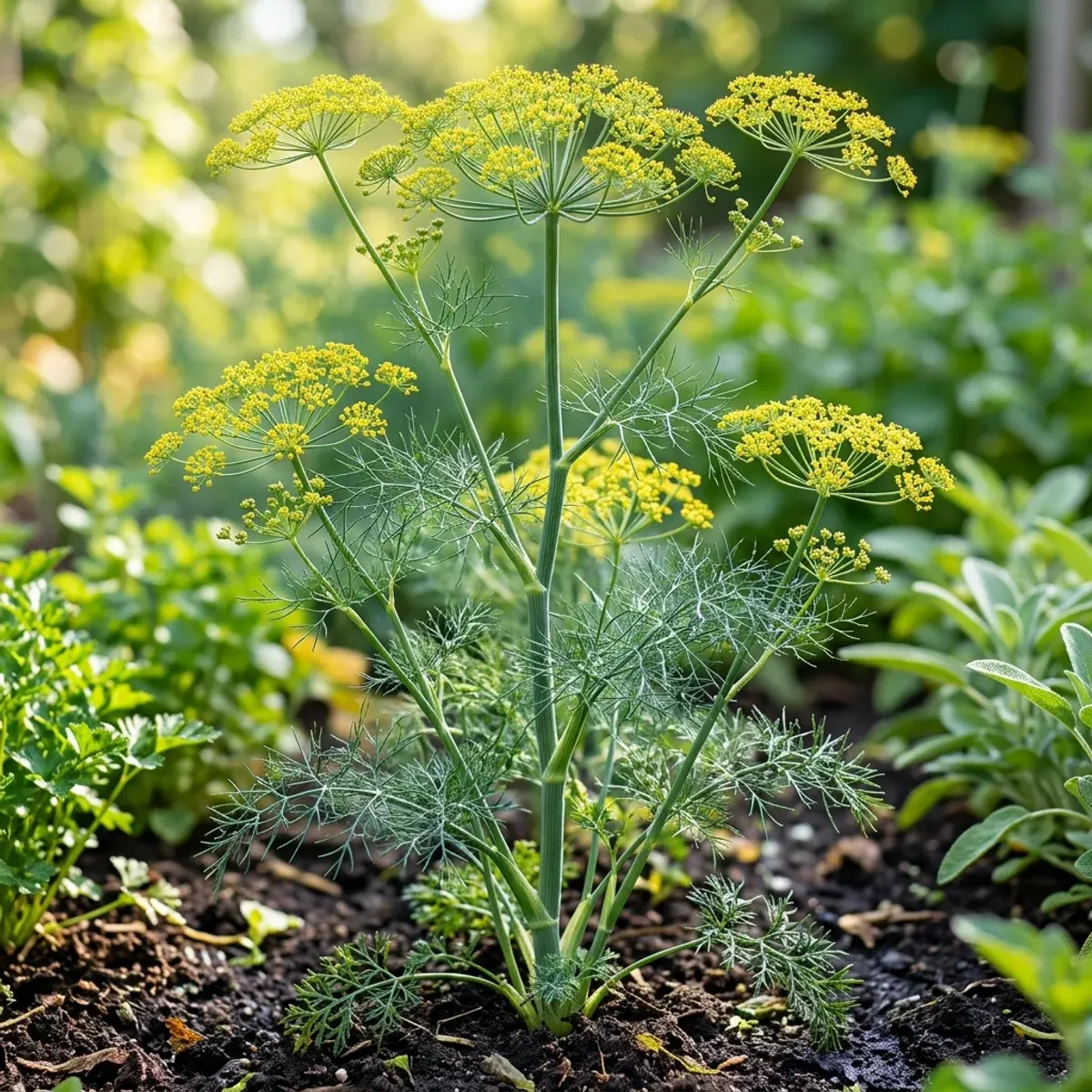
Keep sage well away from cucumbers, as sage essential oils adversely affect cucumber fruit development and vine vigor. Also avoid planting next to fennel, which suppresses almost all surrounding herbs.
Pruning for Longevity
Without annual maintenance, sage forms an unruly mass of thick, brittle, leafless woody branches with a thin fringe of green growth at the tips:
- Spring Rejuvenation (Early Spring): As soon as you see new green shoots sprouting near the base in spring, cut back the previous year's branches by approximately one-third to one-half. Cut just above a vibrant leaf node.
- Never Cut Into Bare Old Wood: Avoid hacking back into the thick, gnarled gray wood at the bottom crown. Unlike lavender or boxwood, dormant buds on ancient sage wood rarely break, and severe pruning can kill the plant.
- Mid-Season Deadheading: After the lavender-blue flower spikes bloom in early summer, shear off spent blossoms to redirect energy back into aromatic foliage.
- Autumn Rest: Cease heavy harvesting 4 to 6 weeks before your first expected fall frost. Cutting new stems late in the season prompts tender growth that will freeze and split the stems during winter.
Overwintering Culinary Sage
In zones 5 through 8, established sage requires minimal winter protection. In zone 4 or areas with open, snowless winters and biting sub-zero winds:
- Topdress the root zone with 2–3 inches of coarse evergreen boughs or clean straw after the ground freezes solid in November. Avoid heavy, wet wood chip mulch piled against the woody crown, which invites crown rot.
- In spring, pull away the mulch as soon as nighttime temperatures stabilize above 25°F to allow the soil around the crown to warm and dry out.
Sources: Sage — University of Illinois Extension, Growing Sage in Home Gardens — University of Minnesota Extension.
Beneficial Companion Plants for Sage
FAQ
Is garden sage a perennial or an annual?
Common culinary sage (Salvia officinalis) is a cold-hardy perennial in USDA zones 4 through 8, surviving winter temperatures as low as -20°F. In very hot, humid southern climates (zones 9–11), high humidity and soggy summer soils often cause fungal root rot, making it easier to grow as a cool-season annual or in containers.
Why is my sage plant turning woody and leggy?
Sage naturally becomes woody at the base after 2–3 seasons. To keep it compact and producing tender leafy stems, prune the top third of the plant each spring right as new growth emerges. Never cut back into the bare, ancient woody base, as old wood lacks active dormant buds and will struggle to regenerate.
How often should you water a sage plant?
Sage prefers dry to moderately moist conditions. Water newly planted transplants once or twice a week until established. Once mature, allow the top 2 inches of soil to dry out completely before watering. Overwatering and poorly drained clay soils are the leading causes of sage death.
What should you not plant next to sage?
Keep sage away from cucumbers and fennel. Sage inhibits cucumber growth and attracts incompatible insect activity, while fennel releases allelopathic root exudates that stunt neighboring culinary herbs.
How do you harvest sage without killing the plant?
Harvest individual leaves or snip stem tips just above a set of leaf pairs using sharp shears. In its first growing season, harvest lightly to let the root system establish. In subsequent years, harvest continuously until early autumn, stopping 6 weeks before your first fall freeze so stems harden off for winter.