How to Grow Chives
Allium schoenoprasum

By Efraín Vega · Published November 13, 2026
Sun
Full sun to partial shade (4–8 hrs)
Water
Moderate — consistent moisture keeps tubular foliage tender
Spacing
8–12 in apart
Soil pH
6.0–7.0
Days to maturity
60–75 days from seed; harvest continually from divisions
Hardiness zones
Hardy perennial in USDA zones 3–9
When to plant: Direct sow or divide clumps 3–4 weeks before last spring frost • Calculate planting dates for your city →
Common chives (Allium schoenoprasum) are the smallest, easiest, and most forgiving members of the onion family. Unlike bulb onions that take an entire season to form a single harvestable bulb, chives provide continuous "cut-and-come-again" culinary harvests from early April through late November.
Beyond their delicate, savory onion flavor in cooking, chives are a secret weapon for organic pest management and pollinator attraction.
Quick Growing Reference
| Metric | Ideal Requirement |
|---|---|
| Sunlight | Full sun (6+ hours) preferred; tolerates partial shade (4 hours) |
| Soil Type | Rich, moist, organic loamy soil with high organic matter |
| Soil pH | 6.0–7.0 |
| Spacing | 8–12 inches apart between clumps |
| Hardiness | Perennial in USDA Zones 3–9 (tolerates -30°F freezes) |
| Propagation | Seed, nursery transplant, or root division |
Planting and Soil Preparation
Chives thrive in organic soil rich in broken-down compost and moisture:
- From Seed: Sow seeds indoors 6 to 8 weeks before the last frost, or scatter directly into garden beds 3 to 4 weeks before the last spring freeze. Cover seeds with 1/4 inch of fine compost; germination takes 10 to 14 days at 60–70°F.
- From Divisions: Dividing an existing clump is the fastest way to get productive plants. Simply slice a mature clump into tennis-ball-sized divisions and plant at the same soil depth as before.
- Container Growing: Chives are one of the best kitchen herbs for windowsills and patio containers. Use our Potting Soil Calculator to calculate potting mix for 1- or 2-gallon pots with bottom drainage holes.
Keep the Soil Moist
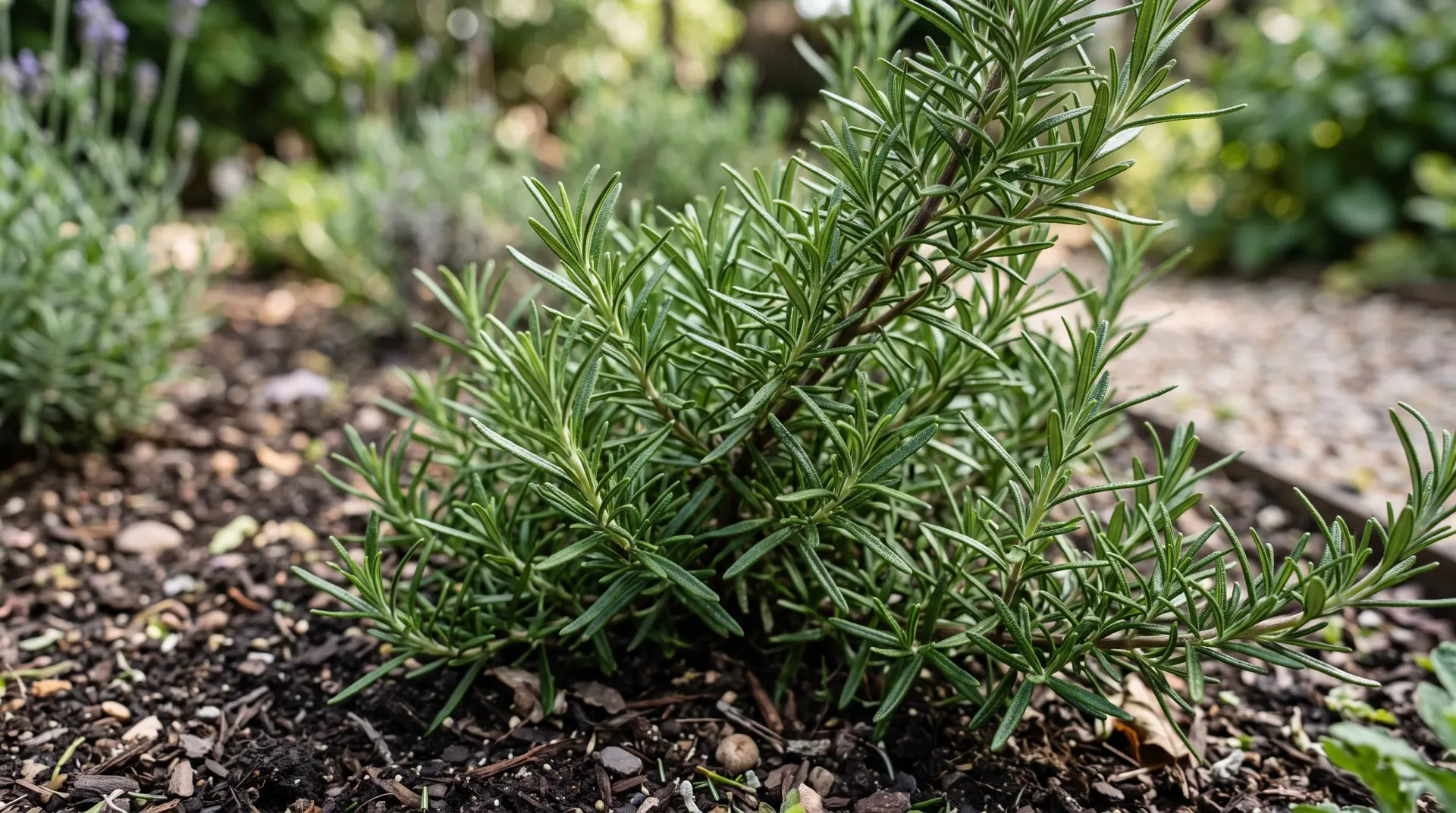
Unlike drought-hardy Mediterranean herbs like rosemary or sage, chives prefer consistent soil moisture. In hot, dry midsummer weather without water, chive leaf tips will turn brown and papery. Mulch the base lightly with shredded leaves or compost to retain root dampness.
Companion Planting Synergies
Chives contain volatile sulfur compounds and allicin that act as natural insect deterrents:
- Tomatoes: Interplanting chives around the base of tomato cages repels aphids and spider mites, and folklore suggests it improves overall fruit flavor.
- Carrots: The pungent allium aroma masks the scent of sweet carrot roots, disorienting egg-laying carrot rust flies (Psila rosae).
- Strawberries: Chives deter fungal leaf spot and repel destructive sap-sucking insects without invading shallow strawberry runner roots.
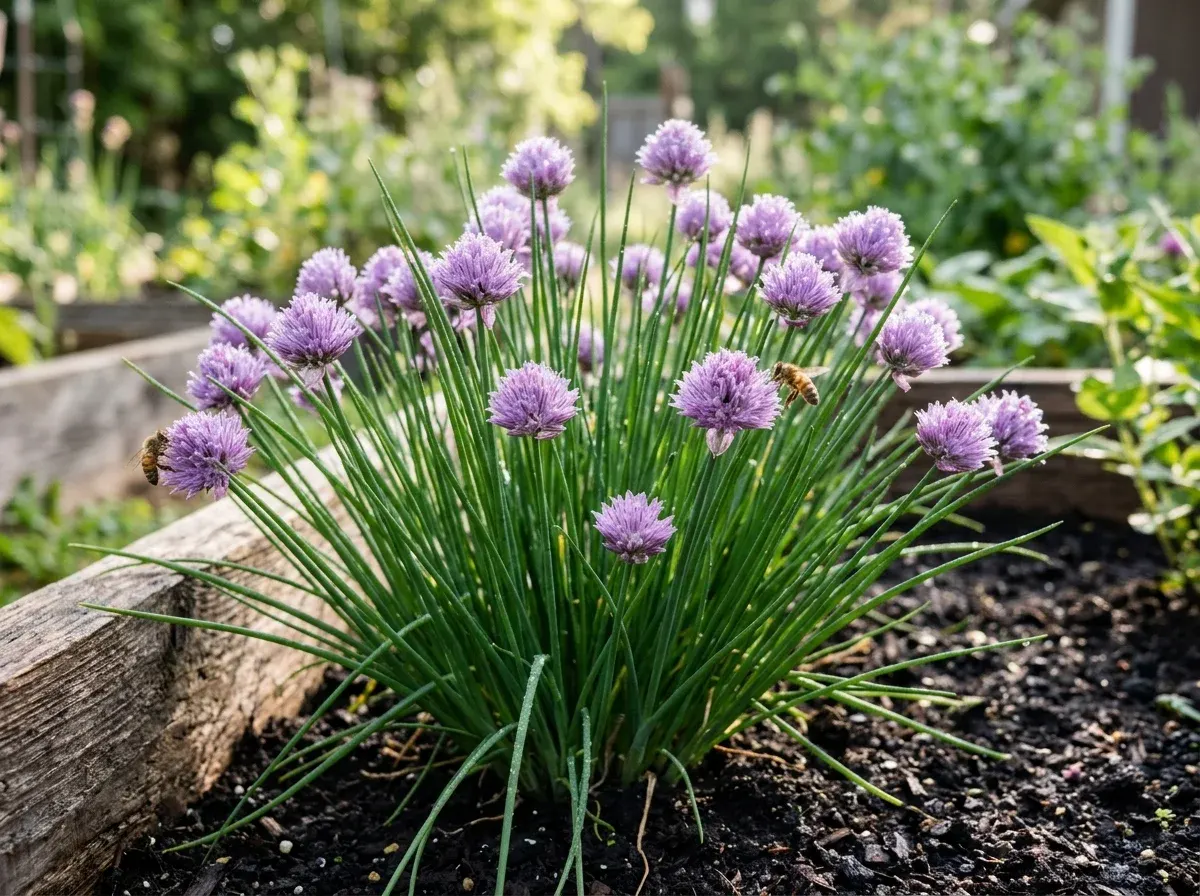
- Pollinator Power: In May and June, each chive plant produces dozens of spherical lavender blossoms. These flowers are nectar powerhouses, drawing hundreds of native bumblebees, honeybees, and aphid-eating hoverflies.
Keep Away From Legumes
Like all members of the Allium genus (onions, garlic, leeks), chives release subtle root exudates that interfere with the nitrogen-fixing bacteria nodules on green beans and peas. Avoid planting chives in the same square foot as climbing beans.
Harvesting and Preservation
- Cut-and-Come-Again: When blades reach 6 to 8 inches in height, grab a handful and snip across the base leaving 1 to 2 inches above the soil. The plant will push fresh green shoots in days.
- Flower Harvesting: Snip blossoms when they are fully open and vibrant purple. Pluck individual florets into herbal butter, compound spreads, or chive blossom vinegar (which turns a gorgeous vibrant pink).
- Freezing for Winter: Unlike basil, chives freeze exceptionally well. Wash, pat dry, chop finely with shears, and freeze in airtight freezer bags or freeze inside olive oil cubes for instant winter cooking.
Sources: Chives — University of Illinois Extension, Growing Chives — Iowa State Extension.
Beneficial Companion Plants for Chives
Plant chives near: Tomato, Carrot, Strawberry, Rosemary.
FAQ
Do chives come back every year?
Yes. Common garden chives (Allium schoenoprasum) are exceptionally cold-hardy perennials in USDA zones 3 through 9, enduring winter chills below -30°F. The tubular foliage dies back after severe autumn freezes, but underground bulb clusters emerge vigorously in early spring, often being the very first green edible to sprout in your garden.
How do you harvest chives without killing the plant?
Use clean, sharp kitchen scissors or garden shears to snip chive stems approximately 1 to 2 inches above the soil line. Always harvest from the outside of the clump toward the center, or shear an entire overgrown clump straight across. Cutting leaves in half down to the base triggers fresh, tender green shoots to regrow within 7 to 10 days.
Are chive flowers edible?
Yes, both the spherical purple blossoms and immature flower buds are completely edible. They carry a mild, sweet onion-garlic flavor and make stunning edible garnishes on salads, soft cheeses, and baked potatoes. Pull apart individual florets to sprinkle over dishes.
How do you prevent chives from spreading aggressively?
Chives produce hundreds of tiny black seeds in late spring once the purple flowers dry out. If left alone, they will readily self-sow all over your vegetable beds. To prevent invasive spreading, shear off spent flower heads right as the purple blooms begin to fade before seed pods form.
When should you divide chive clumps?
Every 3 to 4 years, chive clumps become crowded, resulting in thinner, yellowing blades and reduced vigor. In early spring as new shoots emerge, dig up the root clump with a garden trowel, gently tease the bulbs apart into clusters of 4 to 6 bulbs each, and replant them 10 inches apart in fertile compost.