How to Grow Lavender
Lavandula angustifolia

By Efraín Vega · Published October 30, 2026
Sun
Full sun (6–8+ hrs)
Water
Low — drought tolerant once established; avoid wet foliage
Spacing
18–24 in apart
Soil pH
6.5–7.5 (prefers alkaline, gritty soil)
Days to maturity
90–120 days from transplant to full bloom; best from nursery starts or cuttings
Hardiness zones
Zones 5–9 (English lavender L. angustifolia is cold hardiest)
When to plant: Spring after last frost, or early autumn in mild-winter zones • Calculate planting dates for your city →
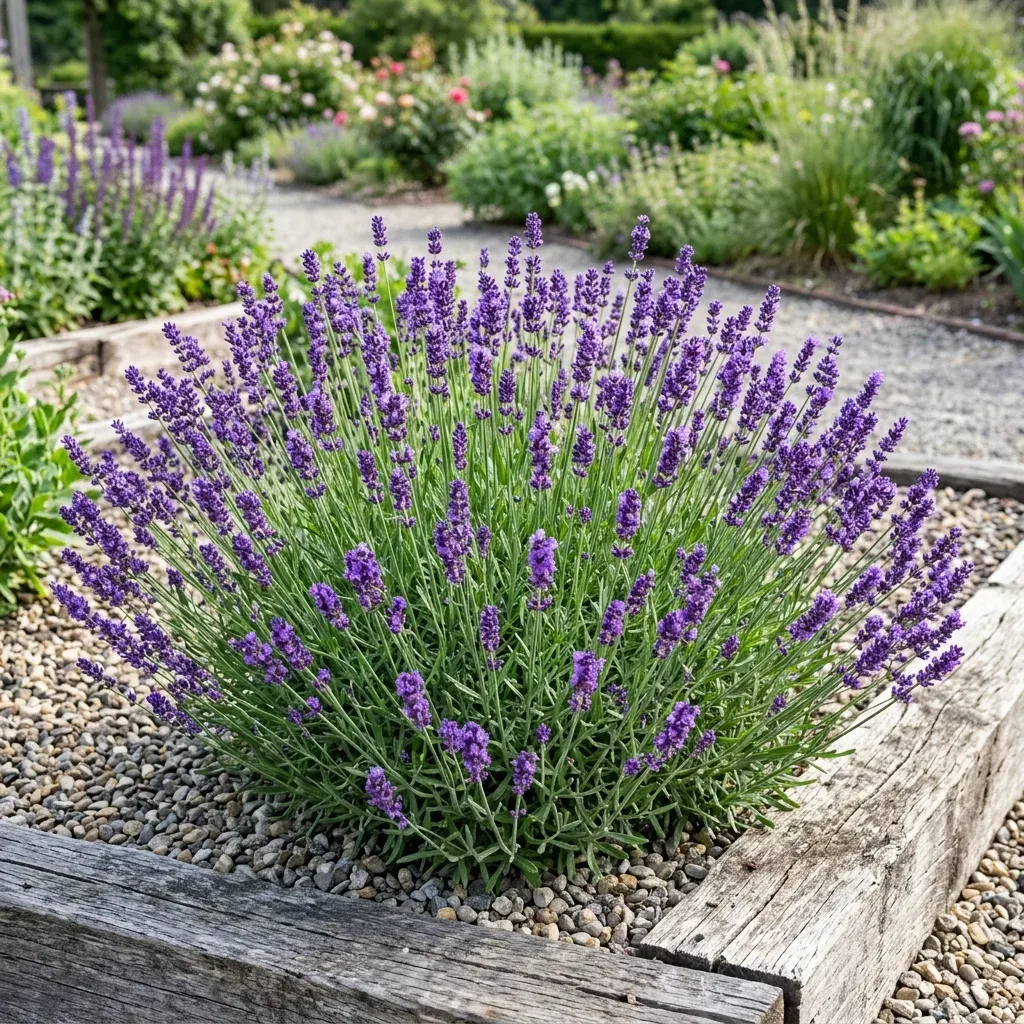
English lavender (Lavandula angustifolia) is a sun-loving Mediterranean perennial prized for its silver-green foliage, soothing aromatic oils, and drought resilience. Once established, it survives prolonged summer dry spells and serves as a primary attractant for native bumblebees and honeybees.
How do you plant lavender?
Select a planting site receiving a minimum of 6 to 8 hours of direct, unfiltered sunlight with fast-draining soil. Dig a hole twice as wide as the nursery container but the same depth, setting the root crown level with or slightly above the surrounding grade to prevent water from pooling around the main stem.
If planting in native soil with high clay content, amend the bed with 30% coarse horticultural grit, crushed pumice, or gravel. Space individual plants 18 to 24 inches apart to guarantee good air circulation, which prevents fungal leaf spot in humid summer climates.
Mulch with stone, not wood chips
Wood mulch holds excessive moisture and acidifies soil around the root crown, leading to crown rot. Mulch lavender with 1 to 2 inches of pea gravel or crushed granite, which reflects warmth back into the canopy and keeps the crown dry.
How often should you water lavender?
Water newly planted lavender once or twice a week for the first 4 to 6 weeks until roots anchor into the surrounding soil. Once established, lavender requires deep watering only every 2 to 3 weeks during prolonged drought.
Always apply water directly to the root zone at ground level using a drip line or watering can; avoid overhead sprinklers, which wet the dense foliage and invite fungal mildew.
How to prune lavender for dense, compact blooms
Pruning prevents lavender shrubs from splitting open and developing sprawling, bare wooden centers:
- First Year: Pinch off early flower buds to encourage the plant to invest energy into developing a dense, bushy branch structure and deep root system.
- Established Plants: In late summer immediately after blooms fade, or in early spring when fresh green buds emerge, shear the entire plant back by approximately one-third of its green growth.
- The Golden Rule: Never prune back into old, bare grey wood that lacks visible green buds; lavender cannot easily generate fresh growth from old woody stems.
| Variety | Cold Hardiness | Height | Scent & Use |
|---|---|---|---|
| English (Munstead / Hidcote) | Zone 5–9 (Hardiest) | 18–24 in | Sweet culinary, drying, compact hedge |
| French (L. dentata) | Zone 8–11 (Tender) | 24–36 in | Toothed leaves, long bloom season |
| Spanish (L. stoechas) | Zone 7–10 | 18–30 in | Distinctive 'rabbit ear' bracts, heat tolerant |
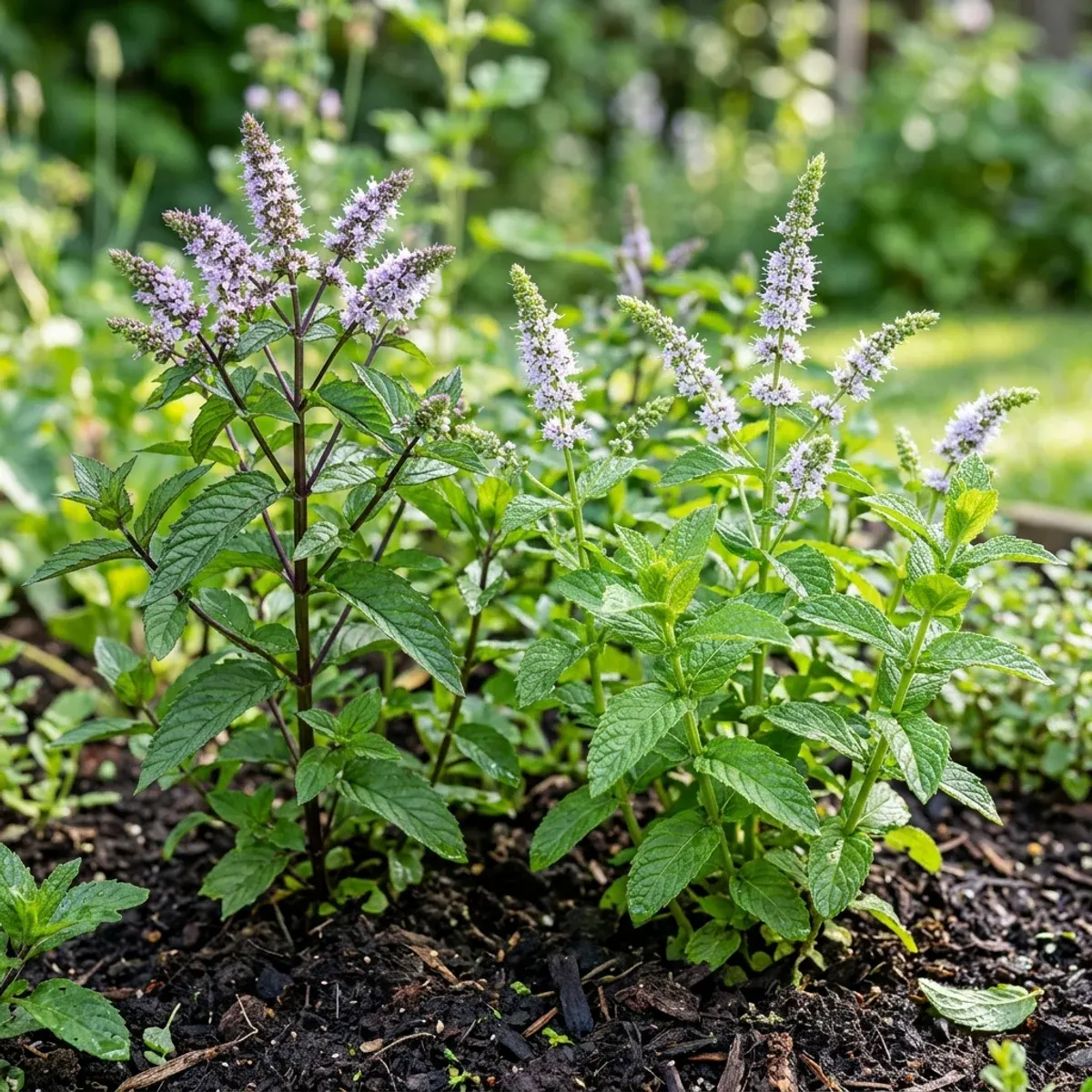
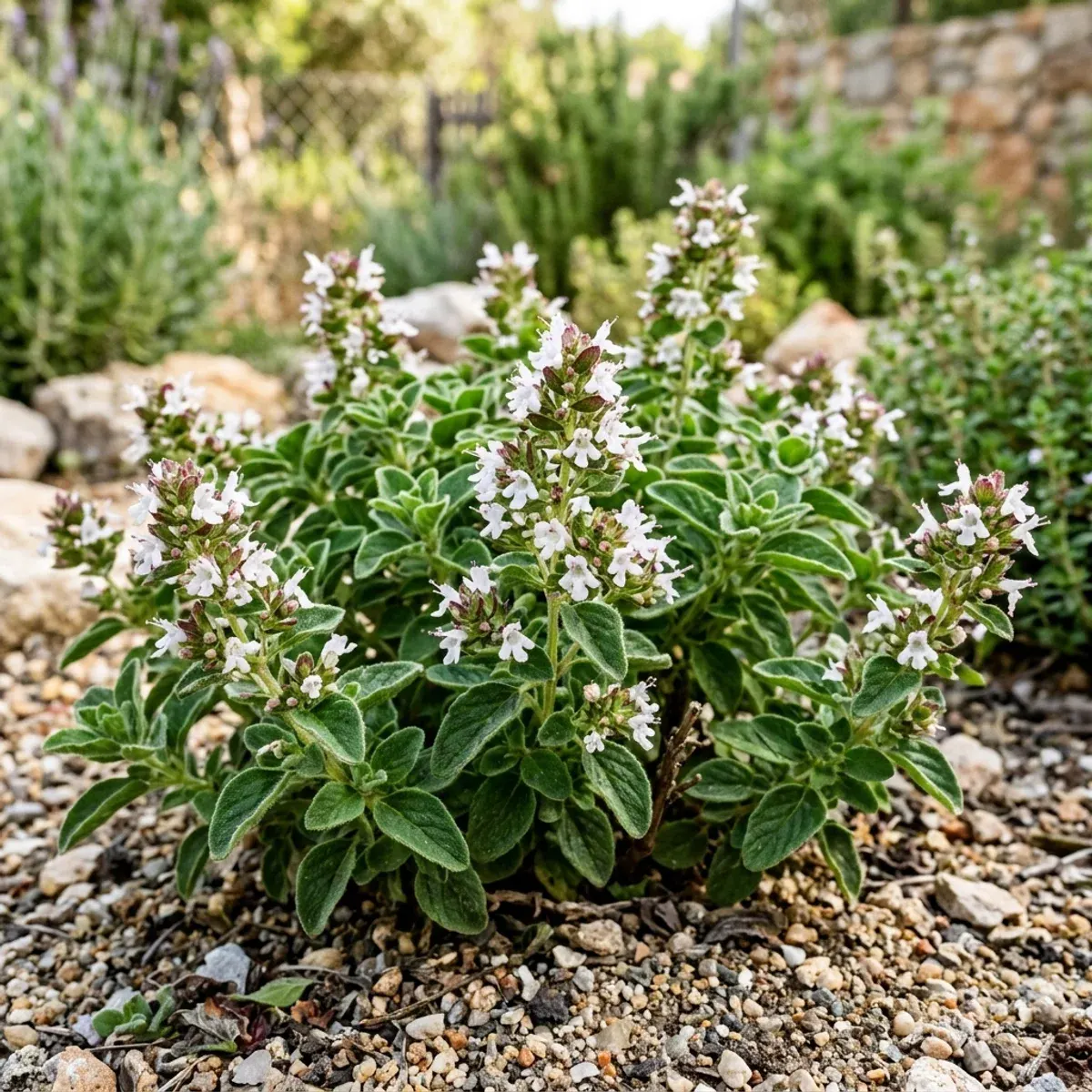
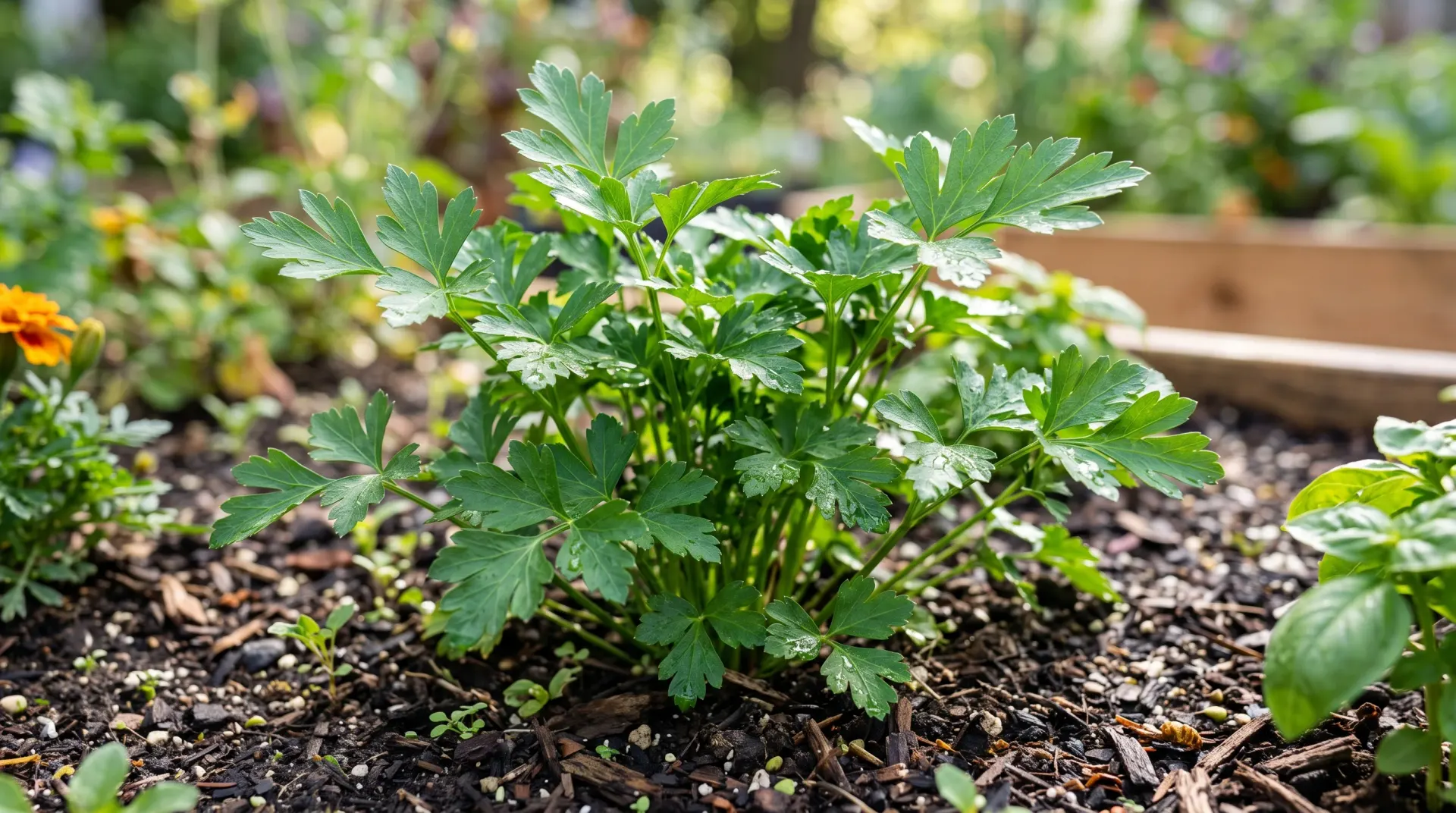
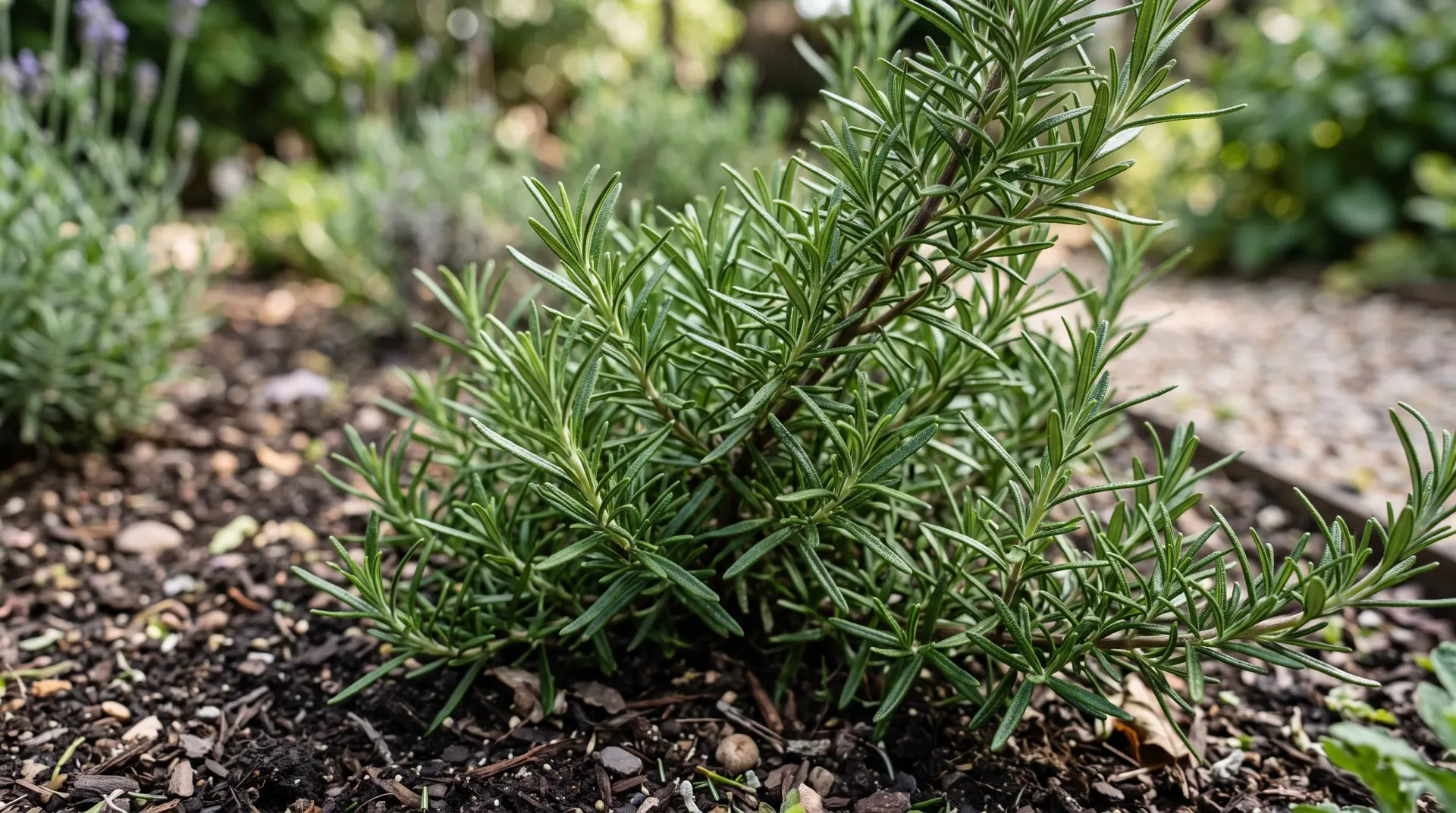
Beneficial Companion Plants for Lavender
FAQ
Why is my lavender turning brown and woody?
Lavender naturally turns woody at its base over 3 to 5 years. Prune it back annually by about one-third in early spring as new green growth begins, but never cut down into the bare, leafless woody crown, which struggles to regenerate.
Why did my lavender die over the winter?
Winter death is almost always caused by wet, waterlogged roots rather than cold temperatures alone. Heavy clay that freezes around saturated roots causes root rot. Plant in gritty, fast-draining soil or elevated raised beds, and mulch with pea gravel rather than moisture-retaining wood chips.
Can you grow lavender from seed?
Yes, but germination is slow and erratic (taking 14 to 30 days) and requires cold stratification (chilling seeds in the refrigerator for 3 weeks prior to sowing). Most home gardeners achieve faster success with 4-inch nursery starts or semi-hardwood summer cuttings.
How much sun does lavender need?
At least 6 to 8 hours of unfiltered direct sunlight daily. In partial shade, lavender becomes leggy, flops over, and produces few flower spikes.
Does lavender need fertilizer?
No. Rich soil and high nitrogen fertilizers stimulate weak, floppy foliage at the expense of aromatic oils and flower buds, making the plant vulnerable to fungal disease. Lean, sandy or gravelly soil yields the strongest scent.