How to Grow Radicchio
Cichorium intybus var. foliosum

By Efraín Vega · Published November 15, 2026
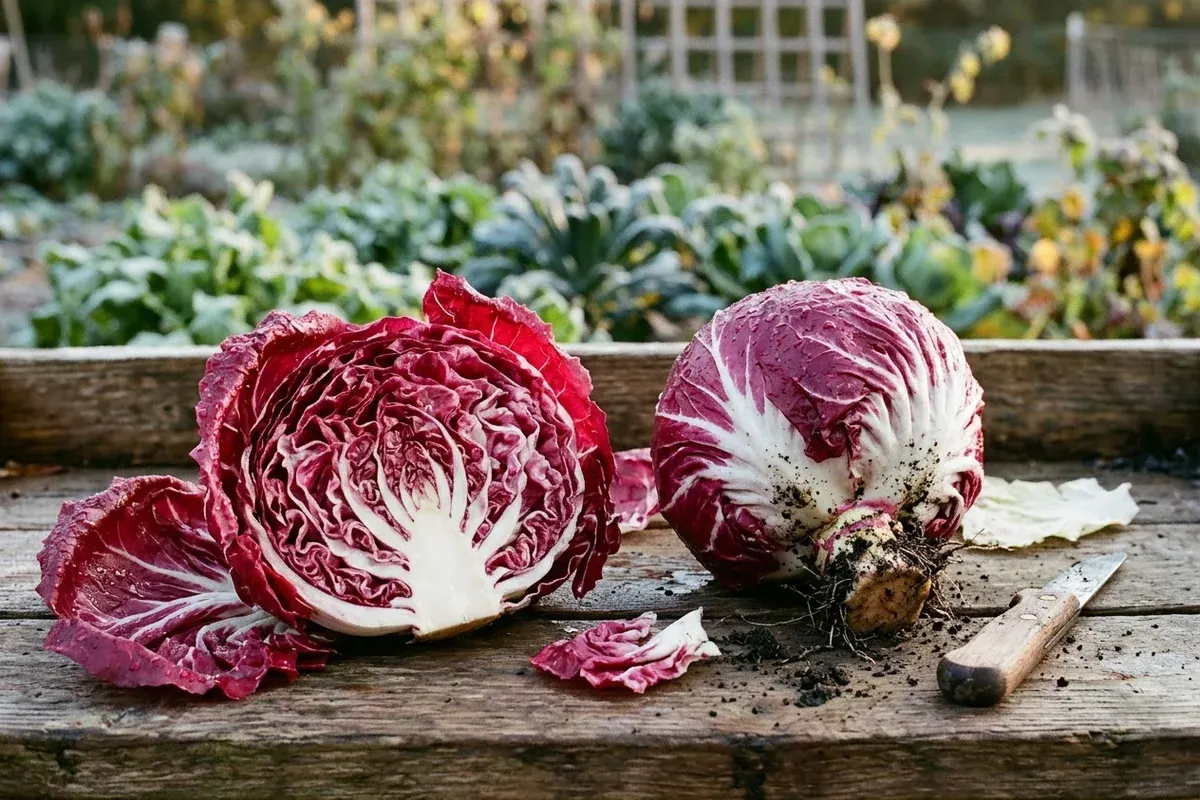
Sun
Full sun (6+ hours direct sunlight daily; benefits from light afternoon shade during warm summer starts)
Water
Moderate and consistent (1 to 1.5 inches per week). Uneven watering triggers extreme bitterness and premature bolting
Spacing
10–12 inches apart in rows 14–18 inches apart (or 1 plant per square foot in raised beds)
Soil pH
6.0–6.8; loose, well-draining loam enriched with compost
Days to maturity
75–90 days from direct seed (60–75 days from transplant)
Hardiness zones
Zones 3–10 grown as a cool-season late-summer and autumn annual, overwintering in mild zones
When to plant: Direct sow or transplant mid-to-late summer (8–10 weeks before first fall frost); autumn cold snaps trigger heading and vibrant red pigmentation • Calculate planting dates for your city →
Radicchio (Cichorium intybus var. foliosum), also celebrated as Italian heading chicory, is the crowning jewel of the Mediterranean autumn garden. Prized by culinary chefs for centuries across the Veneto region of northern Italy, radicchio delivers a crisp, peppery, bittersweet complexity that cuts through rich cheeses, fatty meats, and sweet balsamic dressings.
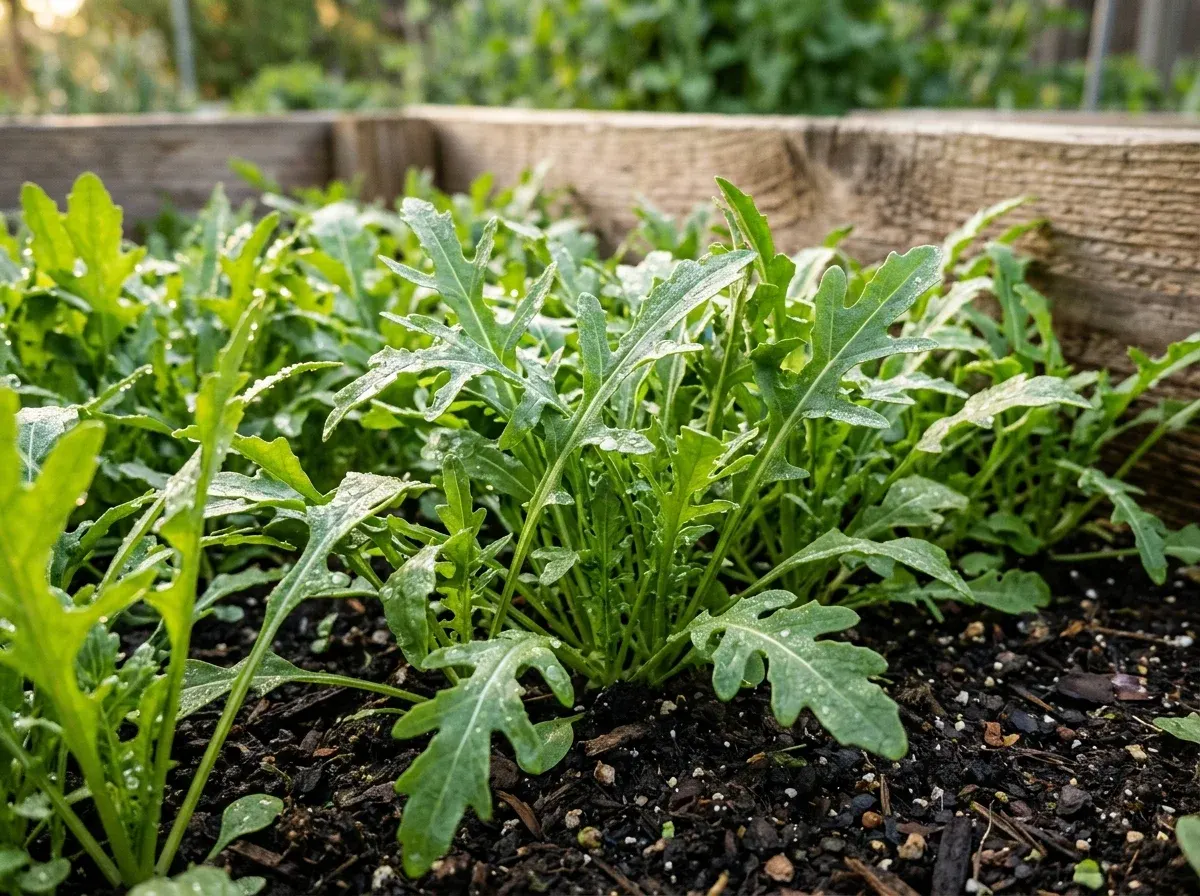
While many first-time growers are confused when their young plants resemble wild green dandelions during July and August, patience is rewarded: the moment autumn frost strikes, the plant sheds its green camouflage to reveal a tight, glowing ruby-red head laced with marble-white veins.
The Botanical Chemistry: Cold, Bitterness & Color
Radicchio's signature flavor and coloration are driven by two biochemical processes:
┌────────────────────────────────────────────────────────┐
│            RADICCHIO BIOCHEMICAL TRIGGERS              │
├────────────────────────────────────────────────────────┤
│ Summer Rosette: Green chlorophyll dominance (photosyn) │
│ Autumn Frost  : Night temps drop below 45°F (7°C)      │
│                                                        │
│ 1. Anthocyanin Synthesis: Cold halts chlorophyll and   │
│    floods cells with red anthocyanin pigments.         │
│ 2. Starch Conversion   : Cold converts starch to sugar │
│    to act as natural cellular antifreeze.              │
│ 3. Bitterness Mellows  : Lactucopicrin bitterness is   │
│    balanced by natural accumulated sucrose.            │
└────────────────────────────────────────────────────────┘
The mild bitter note comes from sesquiterpene lactones (primarily lactucin and lactucopicrin). These compounds stimulate digestion and bile production, making radicchio a traditional Italian digestif salad. When exposed to freezing autumn weather, the accumulation of plant sugars balances this bitterness into an addictive bittersweet crunch.
Premier Italian Radicchio Cultivars
Radicchio varieties are named after historic growing towns in Italy, each with distinct shapes and culinary applications:
| Cultivar Type | Form & Color | Days to Harvest | Traditional Culinary Use |
|---|---|---|---|
| Rosso di Chioggia | Dense round softball; ruby red with white ribs | 75–85 days | Classic raw salads, slaws, shaved with aged Parmesan and lemon vinaigrette. |
| Rosso di Treviso Precoce | Upright elongated cylinder; tapered wine-red heads | 70–80 days | Sliced lengthwise into quarters and seared on a hot grill or cast iron skillet. |
| Castelfranco ("Rose of Winter") | Open loose rose; creamy butter-yellow speckled with crimson dots | 80–90 days | Delicate, tender, mild gourmet salad green; visually stunning presentation. |
| Variegato di Lusia | Semi-compact round head; cream-green leaves with burgundy flecks | 75–80 days | Sweetest of all chicories with almost zero bitterness; excellent for beginners. |
Summer Sowing Timetable for Autumn Harvests
Because heading radicchio bolts if grown during lengthening spring days, timing your mid-to-late summer sowing is essential:
                  THE AUTUMN RADICCHIO TIMELINE
 ┌───────────────┬─────────────────┬─────────────────┬────────────────┐
 │  JULY 15-30   │  AUG 15 - 30    │   OCT 1 - 20    │  NOV - JAN     │
 │  Start seeds  │  Transplant to  │  Green rosette  │  Frost heads   │
 │  indoors/bed  │  12" spacing    │  folds inward   │  harvest daily │
 └───────────────┴─────────────────┴─────────────────┴────────────────┘
- Calculate Backwards: Find your first expected autumn frost date and count back 85 to 90 days. In Zone 5 to 7, this means sowing seeds between July 10 and August 5.
- Germination in Summer Heat: Chicory seeds can enter thermal dormancy if soil temperatures exceed 85°F (29°C). Start seeds in cell trays in a cool garage or basement under grow lights, or shade direct-sown outdoor beds with 50% shade cloth until germination occurs (4 to 7 days).
- Transplanting Spacing: Set transplants 10 to 12 inches apart in rows 14 to 18 inches apart. In Square Foot Gardening, give each radicchio plant 1 full square foot; crowding causes loose, leafy rosettes that fail to form solid heads.
Soil, Moisture & Nutrient Strategy
Chicories have deep taproots that scavenge minerals from the subsoil, but they demand loose, moisture-retentive topsoil to bulb properly:
┌────────────────────────────────────────────────────────┐
│               RADICCHIO SOIL PROTOCOL                  │
├────────────────────────────────────────────────────────┤
│ Soil pH Range       : 6.0 - 6.8 (Neutral to slight acid)│
│ Topsoil Texture     : Crumbly sandy loam with compost  │
│ Nitrogen Strategy   : Moderate ONLY. Excess nitrogen   │
│                       produces giant loose green leaves│
│                       and delays heading!              │
│ Moisture Level      : Steady 1" weekly; avoid drought  │
└────────────────────────────────────────────────────────┘
- Avoid High-Nitrogen Fertilizers: Do not feed radicchio with high-nitrogen synthetic fertilizers or raw manure. Excessive nitrogen forces rapid leaf elongation at the expense of tight head formation. A balanced 1/3 compost blend (such as Mel's Mix) provides optimal steady nutrition.
- Preventing Bitter Drought Stress: If the soil dries out during August and September, the plant produces emergency concentrations of bitter lactucopicrin. Install drip irrigation emitter lines topped with 2 inches of clean straw mulch to maintain even moisture.
Companion Planting for Radicchio
| Companion | Relationship | Mechanism & Garden Benefit |
|---|---|---|
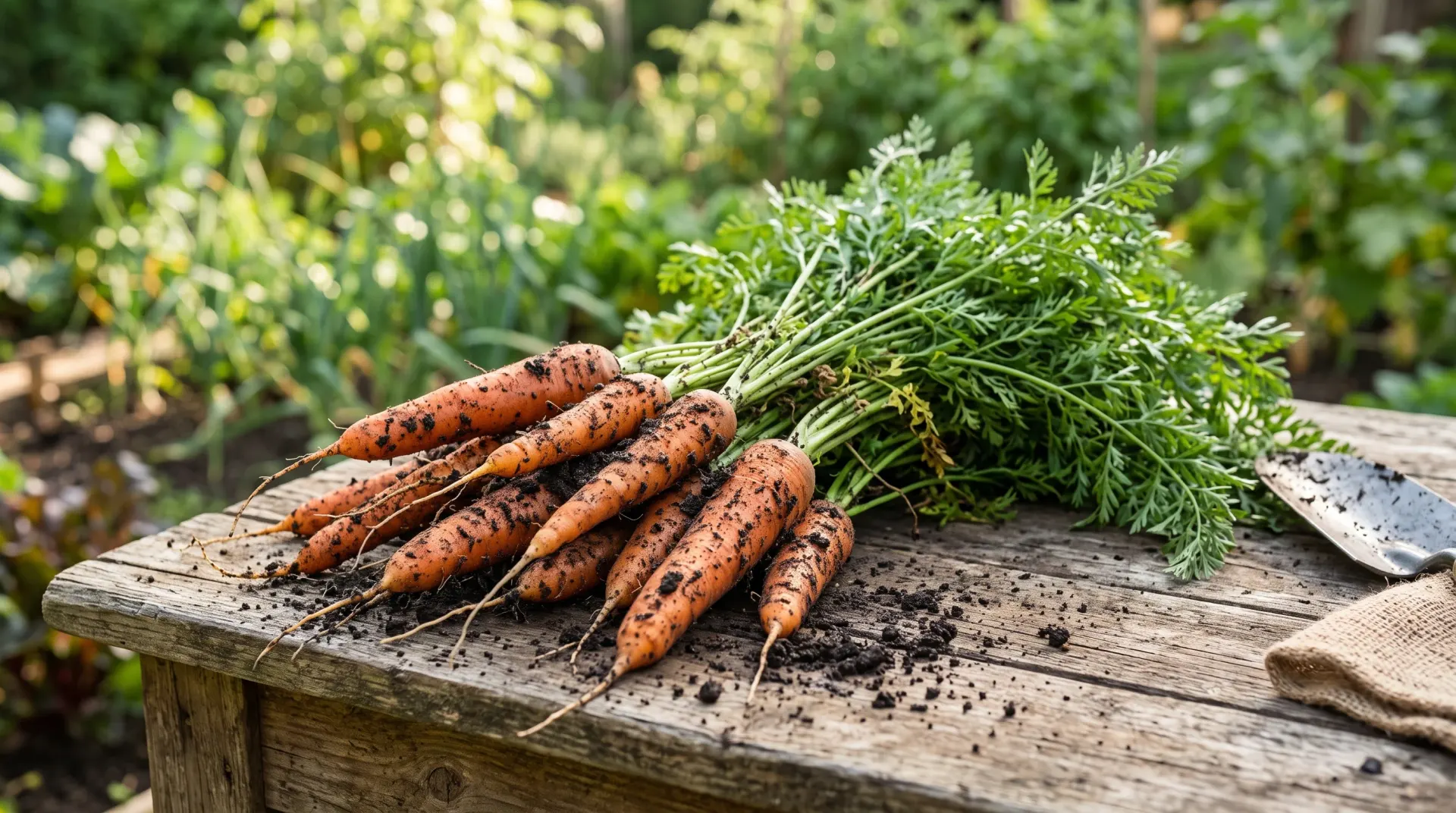
| Carrots | Excellent Partner | Slender carrot taproots aerate subsoil without competing with shallow lateral radicchio feeder roots. |
| Onions & Chives | Pest Shield | Allium sulfur volatiles deter aphids, thrips, and root nematodes from chicory foliage. |
| Thyme | Aromatic Living Mulch | Low-growing herb provides groundcover around radicchio crowns, deterring crawling garden slugs. |
| Lettuce | Fast Intercrop | Fast 30-day baby lettuces can be harvested before radicchio expands to its full 12-inch footprint. |
| Fennel | Antagonistic (Avoid) | Produces allelopathic root exudates that stunt heading chicory development. |
Harvesting, Blanching & Winter Storage
- How to Test for Maturity: In mid-to-late autumn, press the center of the plant with your palm. A mature head feels solid and heavy, like a small bowling ball or firm cabbage.
- Severing the Head: Use a sharp harvest knife to cut through the base of the head right at the soil line.
- Peeling Wrapper Leaves: Strip away the coarse, weather-damaged outer green leaves. Inside lies the pristine, tightly packed ruby-red heart.
- Regrowth for Spring (Cut-and-Come-Again): If you sever the head 1 inch above the root crown and leave the root intact in the soil, the plant will overwinter. In early spring, it will send up multiple tender miniature "radicchio rosettes" that provide an early seasonal gourmet harvest.
- Storage: Unwashed radicchio heads wrapped loosely in paper towels inside a sealed crisper drawer store fresh for 4 to 6 weeks.
Frequently Asked Questions
Can radicchio be grown in containers or window boxes?
Yes! Radicchio grows exceptionally well in containers that are at least 8 to 10 inches deep. Plant one head per 2- to 3-gallon pot, or space plants 10 inches apart in a DIY cedar window box planter filled with rich potting soil and compost.
Does radicchio need forced blanching like Belgian endive?
Field varieties like Chioggia and Treviso Precoce naturally self-heading and self-blanch; as the outer leaves wrap around the core, light is excluded, turning the interior red and white without human intervention. Only traditional Treviso Tardivo requires specialized post-harvest immersion in dark running water baths to force curly white hearts.
What is the best way to cook radicchio?
Cut heads lengthwise into wedges, leaving the core intact so the leaves hold together. Brush generously with extra-virgin olive oil, season with salt and pepper, and sear over high heat on an outdoor grill for 2 to 3 minutes per side until the edges char and caramelize. Drizzle with aged balsamic glaze and crumbled gorgonzola cheese.
Beneficial Companion Plants for Radicchio
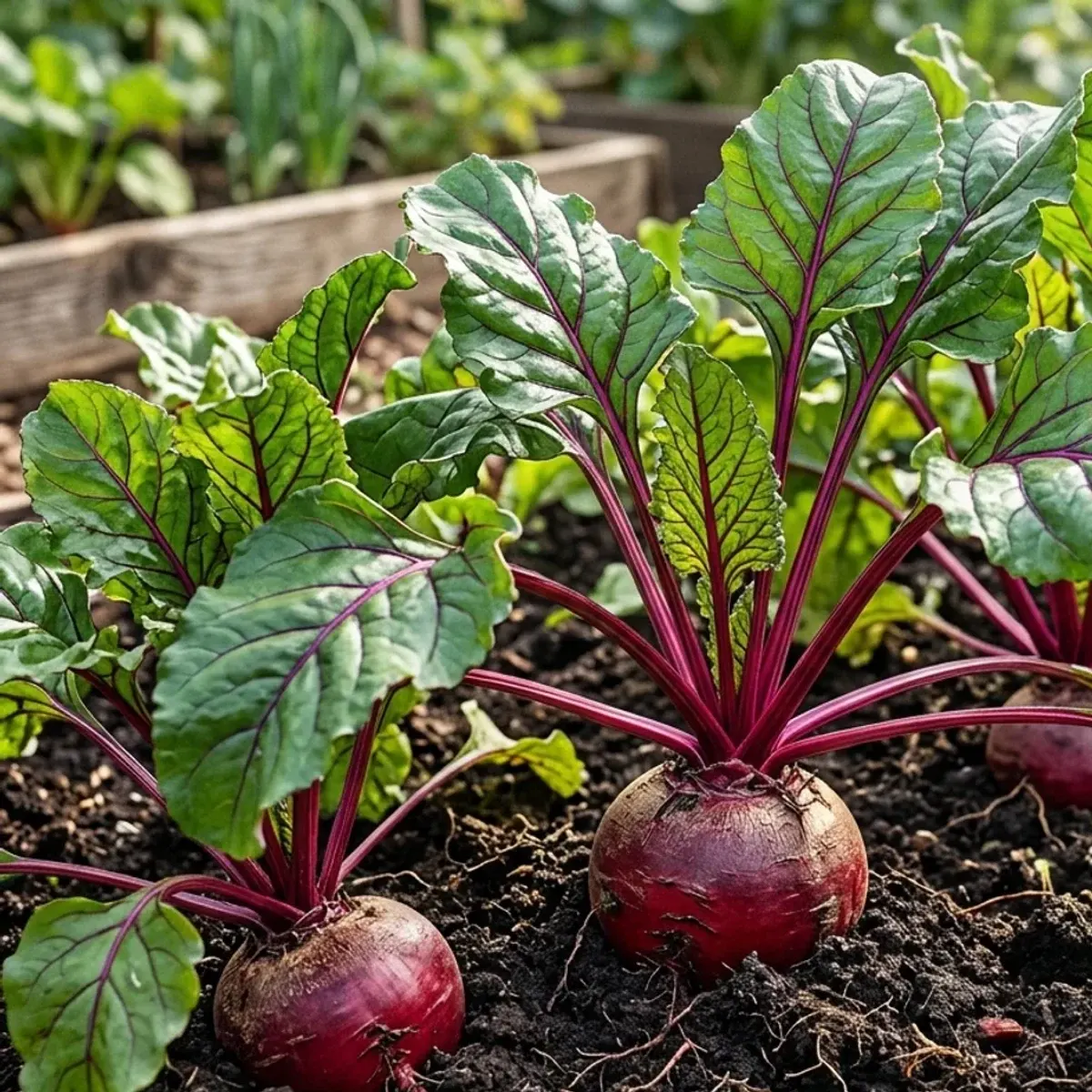
Plant radicchio near: Carrot, Onion, Thyme, Lettuce, Chives, Beet.
FAQ
What does radicchio taste like, and how do you reduce excessive bitterness?
Radicchio features an assertive, sophisticated bittersweet flavor with a crisp, refreshing crunch. To mellow the natural bitterness caused by lactucopicrin compounds, soak sliced leaves in ice water for 15 to 30 minutes before serving raw, or grill and roast wedges with olive oil, balsamic glaze, and sea salt, which caramelizes natural plant sugars.
Why is my radicchio all loose green leaves with no red heading center?
Radicchio starts life as a messy rosette of green, open dandelion-like leaves during the long days of summer. Tight red heading and anthocyanin pigmentation are triggered strictly by shortening daylight and cold autumn temperatures (below 45°F). In late autumn, peel back the coarse green outer wrapper leaves to reveal the firm, vibrant ruby-red heart inside.
How cold-hardy is radicchio in winter?
Radicchio is exceptionally cold-hardy, surviving freezing temperatures down to 20°F (-7°C) unprotected. Hard frosts actually improve flavor by converting starches into sweetness. Under a simple [low tunnel hoop greenhouse](/blog/garden-structures/how-to-build-a-low-tunnel-greenhouse) or [cold frame](/blog/garden-structures/how-to-build-a-cold-frame), radicchio can be harvested fresh throughout entire sub-zero winters in Zones 4 to 7.
What is the difference between Chioggia and Treviso radicchio?
Radicchio Rosso di Chioggia forms tight, spherical, cabbage-like heads with deep magenta leaves and snow-white ribs. Radicchio di Treviso forms elongated, torpedo-shaped heads resembling red romaine lettuce or Belgian endive, offering a slightly more tender leaf texture preferred for grilling.
Can you grow radicchio in the spring?
Spring sowing is tricky because lengthening days and sudden May or June heatwaves trigger chicory to bolt (send up tall blue-flowering stalks) before forming a head. For consistent success, always treat heading radicchio as a late-summer crop that heads into autumn.