How to Grow Mustard Greens
Brassica juncea

By Efraín Vega · Published November 16, 2026
Sun
Full sun (6+ hours of direct sunlight daily; tolerates partial afternoon shade during warm spells)
Water
Consistent moisture (1 inch per week; water stress causes extreme bitterness and accelerates premature bolting)
Spacing
4–6 in apart for continuous cut baby salad greens; 12–18 in for full-sized mature leaves
Soil pH
6.0–7.0 (rich in nitrogen and organic matter, loose, and well-draining)
Days to maturity
25–30 days (baby salad leaves); 40–50 days (full mature harvest)
Hardiness zones
Zones 3–11 grown as a cool-season annual; mature foliage easily survives hard frosts down to 22°F
When to plant: Late summer to early fall (ideal for peak sweetness) or early spring 3–4 weeks before your last frost • Calculate planting dates for your city →
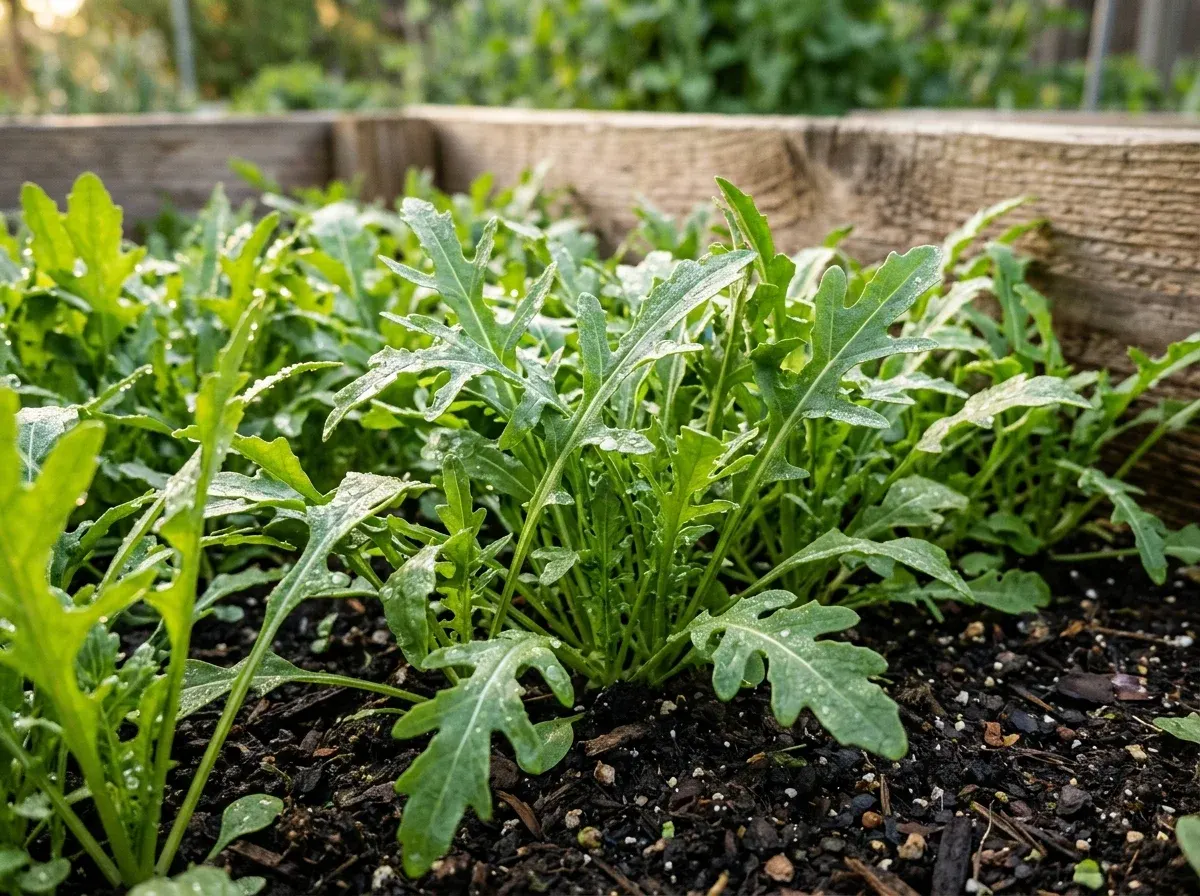
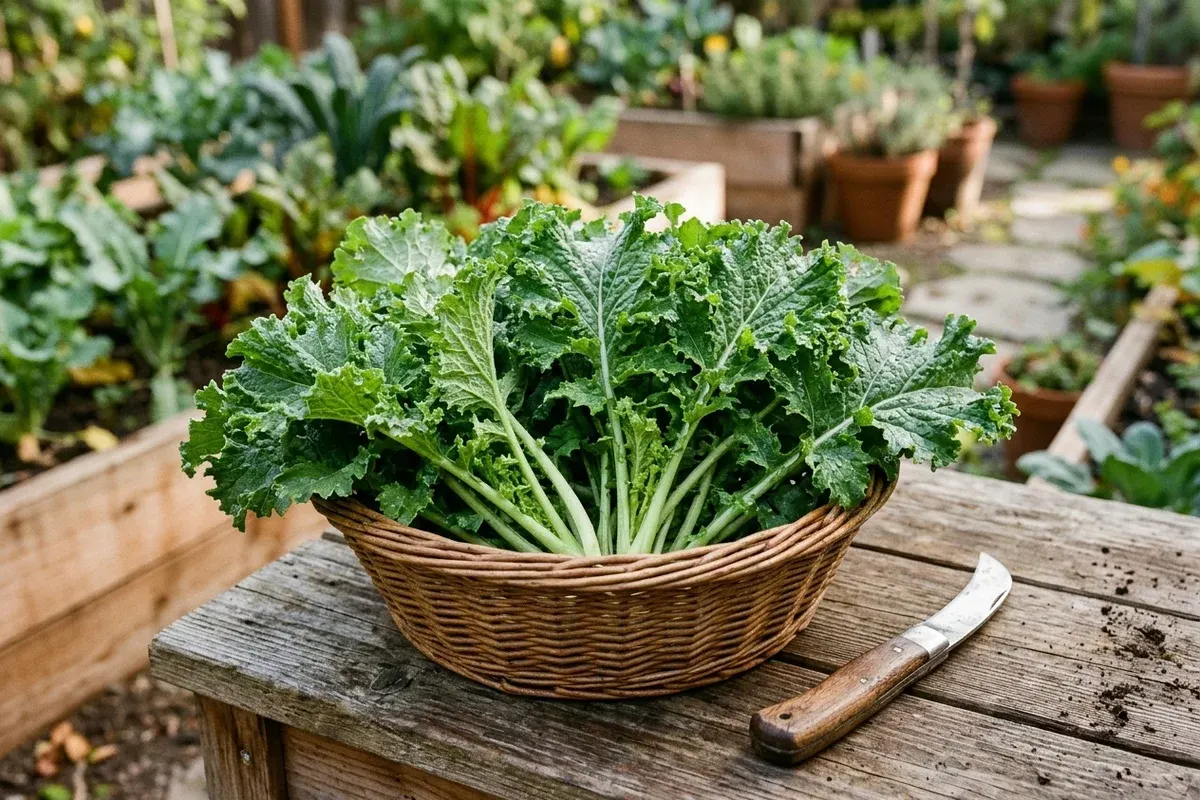
Heirloom mustard greens (Brassica juncea) are the fiery, high-energy aristocrats of the autumn garden. While standard lettuces wilt at the first sign of freezing weather, mustard greens thrive under chilly autumn skies, rewarding home gardeners with massive yields of frilled, crinkled emerald and ruby foliage.
Raw, young baby leaves deliver a refreshing, peppery crunch reminiscent of Dijon mustard and wasabi—elevating everyday salads. Cooked, mature leaves braised with olive oil, garlic, and bacon mellow into a deeply savory, mineral-rich culinary staple.
Beyond their culinary versatility, mustard greens are one of the fastest-growing vegetables on earth: you can harvest tender baby salad greens just 25 days from seed, making them the ultimate succession crop for late-summer raised beds.
The Flavor Chemistry: Heat vs. Frost Sweetening
The hallmark pungent bite of mustard greens is governed by sophisticated botanical chemistry.
┌────────────────────────────────────────────────────────┐
│            MUSTARD GREENS FLAVOR SPECTRUM              │
├────────────────────────────────────────────────────────┤
│ SUMMER HEAT (>75°F / Drought):                         │
│ • Rapid synthesis of Sinigrin & Allyl Isothiocyanate   │
│ • Intense, pungent, spicy "wasabi" burn                │
│ • Accelerates bolting and tough fiber accumulation     │
│                                                        │
│ AUTUMN FROST (<32°F / Cold Nights):                    │
│ • Cellular cold-shock triggers starch-to-sugar enzymes │
│ • Fructose and glucose accumulate as natural antifreeze│
│ • Perfect harmony: buttery sweetness + gentle zest     │
└────────────────────────────────────────────────────────┘
- The Glucosinolate Shield: When leaf cells are bruised or chewed by pests, the enzyme myrosinase hydrolyzes sinigrin into volatile allyl isothiocyanate—the same compound responsible for the nasal sting of horseradish and Japanese wasabi. In nature, this chemical defense deters herbivores.
- The Frost Transmutation: When night temperatures dip below 32°F (0°C), the plant defends its vascular cells against freezing by converting stored insoluble starches into soluble simple sugars. This sudden influx of plant sugars coats the palate, transforming an aggressively pungent leaf into a sweet, tender, restaurant-quality delicacy.
Top Heirloom Mustard Cultivars
┌─────────────────────────────────────────────────────────┐
│               RECOMMENDED MUSTARD VARIETIES             │
├─────────────────────────────────────────────────────────┤
│ • SOUTHERN GIANT CURLED (45 Days):                      │
│   The heritage standard since the 1800s. Deeply frilled,│
│   heavily ruffled emerald leaves with exceptional frost │
│   hardiness and classic soul-food braising texture.     │
│                                                         │
│ • OSAKA PURPLE (40 Days):                               │
│   Compact Japanese heirloom featuring rounded leaves    │
│   suffused with brilliant violet-purple veins. Mildly   │
│   spicy; stunning visual contrast in baby salad mixes.  │
│                                                         │
│ • GREEN WAVE (50 Days):                                 │
│   All-America Selections winner. Exceptionally slow to  │
│   bolt during warm autumn spells; heavily crinkled with │
│   a robust, sharp, horseradish-like kick.              │
│                                                         │
│ • RED GIANT (40 Days):                                  │
│   Massive, broad savoyed leaves of deep maroon-purple.  │
│   One of the most pungent varieties; excellent chopped  │
│   fresh into stir-fries and autumn noodle bowls.        │
└─────────────────────────────────────────────────────────┘
The Biofumigation Superpower: Natural Soil Sanitation
Organic homesteaders frequently use Brassica juncea as an active green manure biofumigant crop between heavy-feeding nightshade plantings:
- How It Works: Mustard tissue is packed with bio-active sulfur compounds. If you chop a mature stand of mustard greens with a lawn mower and immediately till the shredded green biomass into the top 6 inches of soil, the decomposing cells release natural isothiocyanate vapors directly into the soil pores.
- Target Pathogens: Independent university extension trials confirm that mustard biofumigation suppresses:
- Root-Knot Nematodes (Meloidogyne species)
- Verticillium Wilt (Verticillium dahliae)
- Damping-Off Fungi (Rhizoctonia solani)
- Application Timing: Sow a dense cover crop of mustard greens in late summer, let it grow for 45 days until early bloom, flail-chop the foliage, incorporate it with a garden fork, and thoroughly irrigate the bed. Wait 2 to 3 weeks for microbial decomposition before planting spring strawberries or garlic.
Sowing & Cultural Management
Mustard greens germinate with astonishing speed—often pushing green cotyledons through the soil within 48 to 72 hours of planting.
┌─────────────────────────────────────────────────────────┐
│              SEASONAL SOWING & SPACING GUIDE            │
├─────────────────────────────────────────────────────────┤
│ SOWING DEPTH:    1/4 inch deep                          │
│ SOIL TEMP:       50°F to 75°F (Germinates in 2–4 days)  │
│                                                         │
│ SPACING STRATEGY:                                       │
│ • Baby Salad Greens: Sow in broad bands, thin to 3"-4"  │
│ • Full Heading Plants: Thin seedlings to 12"-15" apart  │
│ • Row Spacing:       18 inches between rows             │
└─────────────────────────────────────────────────────────┘
Soil Preparation & Moisture
- Soil Composition: Mustard greens thrive in fertile, moisture-retentive sandy loam or compost-rich raised beds with a pH between 6.2 and 6.8. Before sowing, dress the bed with 2 inches of aged compost (calculate volume with our Raised Bed Soil Calculator).
- Water Consistency: Because mustard produces massive leaf area relative to its root depth, moisture deficits cause immediate leaf bitterness and trigger the central stalk to bolt. Provide 1 inch of water weekly, preferably via low-evaporation drip emitters or soaker hoses beneath mulch.
Companion Planting Synergies & Antagonisms
Pairing mustard greens with the right neighbors deters pests while avoiding nutrient competition:
| Companion Plant | Relationship | Agricultural Mechanism |
|---|---|---|
| Onions & Garlic | Superb Companion | Allium sulfur odors mask brassicas, repelling flea beetles and aphids. |
| Mint | Beneficial Companion | Pungent aromatic menthol vapors confuse whiteflies and cabbage loopers. |
| Dill | Beneficial Companion | Late golden umbrella blooms attract syrphid flies and predatory wasps. |
| Strawberries | Incompatible | Mustard plants compete aggressively for shallow soil moisture and nutrients. |
| Fennel | Antagonistic | Fennel allelopathic root exudates stunt brassica leaf expansion. |
Verify crop compatibility before planting with our interactive Companion Planting Checker.
Harvesting: The Cut-and-Come-Again Technique
Never pull the entire mustard plant from the ground unless you are clearing the bed for winter.
- Baby Salad Stage (25–30 Days): When leaves reach 3 to 4 inches long, snip leaves with clean scissors 1 inch above the root crown. The plants will regenerate a second cutting within 10 to 14 days.
- Mature Head Stage (45–50 Days): For braising greens, harvest individual outer leaves when they reach 8 to 12 inches long. Grasp the leaf stem near its base and snap downward, or slice cleanly with a sharp harvest knife. Leave the inner 4 to 6 young upright leaves surrounding the central crown intact.
- Succession Sowing: For a non-stop autumn and winter harvest, sow a fresh 3-foot row of mustard seeds every 14 days from midsummer until 4 weeks before your first hard freeze.
Pest Management Without Harsh Chemicals
Because mustard leaves are harvested directly for fresh consumption, chemical pesticides must never be used.
- Flea Beetles: Tiny jumping black beetles chew miniature pin-holes in cotyledons. Cover seedbeds with lightweight spunbond floating row cover immediately upon sowing.
- Cabbage White Caterpillars & Loopers: Velvet-green caterpillars chew ragged holes through leaf margins. Spray foliage with organic Bacillus thuringiensis (Bt)—a naturally occurring soil bacterium that targets leaf-chewing caterpillars without harming bees, birds, or beneficial predators.
- Aphids: Cluster on the curled undersides of leaves during warm spells. Knock off with a sharp blast of water from a garden hose, or apply organic insecticidal soap or cold-pressed neem oil during evening hours.
Related Guides & Planning Tools
- Companion Planting Chart & Checker: Search compatible pairings and pest shields across 35+ crops.
- First & Last Frost Dates Calculator: Time your fall brassica plantings 60 to 75 days before your first autumn freeze.
- Raised Bed Soil Calculator: Design the optimal nitrogen-rich organic soil blend for rapid leafy green growth.
- How to Grow Collard Greens: Companion cold-tolerant Southern heirloom brassica for late-autumn harvests.
- How to Build a DIY U-Shaped Raised Garden Bed: Build an ergonomic walk-in cedar bed for intensive year-round green harvests.
Beneficial Companion Plants for Mustard Greens
FAQ
Why are my mustard greens so spicy, and how do you make them milder?
The intense horseradish-like kick in mustard greens is caused by sinigrin and allyl isothiocyanate—sulfur-based glucosinolate compounds synthesized by the plant. High temperatures (above 75°F/24°C) and water deficits ramp up these spicy compounds to pungent levels. To grow milder, sweeter greens: (1) grow them as an autumn crop so they mature in cool weather; (2) expose plants to light autumn frosts, which triggers starch-to-sugar enzymatic conversion; and (3) harvest young leaves under 4 inches in length.
How do you harvest mustard greens so they keep growing?
Use the 'cut-and-come-again' method: harvest only the largest 3 to 4 outer leaves by snapping or slicing them off 1 inch above the soil line, leaving the central upright growing bud (the apical crown) intact. The plant will continuously generate fresh replacement leaves every 5 to 7 days for up to 6 to 8 weeks.
What is biofumigation, and how do mustard greens sanitize garden soil?
Mustard greens contain extraordinarily high concentrations of glucosinolates. When mature plants are finely chopped and immediately tilled into warm, moist soil, cellular enzymes (myrosinase) convert these compounds into natural isothiocyanate gases. This biological fumigation process naturally suppresses soil-borne fungal pathogens (Verticillium and Fusarium wilt) and drastically reduces root-knot nematode populations.
How do you protect mustard greens from flea beetles?
Flea beetles are the primary pest of brassica greens, chewing hundreds of tiny 'shotgun' holes through leaves. The most reliable organic control is installing a lightweight floating row cover (0.5 oz fabric) directly over the bed immediately upon sowing seeds, anchoring all edges with soil or landscape pins to form a physical exclusion barrier.
Can mustard greens survive freezing winter temperatures?
Yes. Healthy, established mustard greens tolerate temperatures down to 22°F (-6°C) unprotected. Under a simple low tunnel, cold frame, or layer of horticultural fleece, mustard greens will overwinter continuously in USDA zones 6 through 9, providing fresh green harvests straight through January and February.