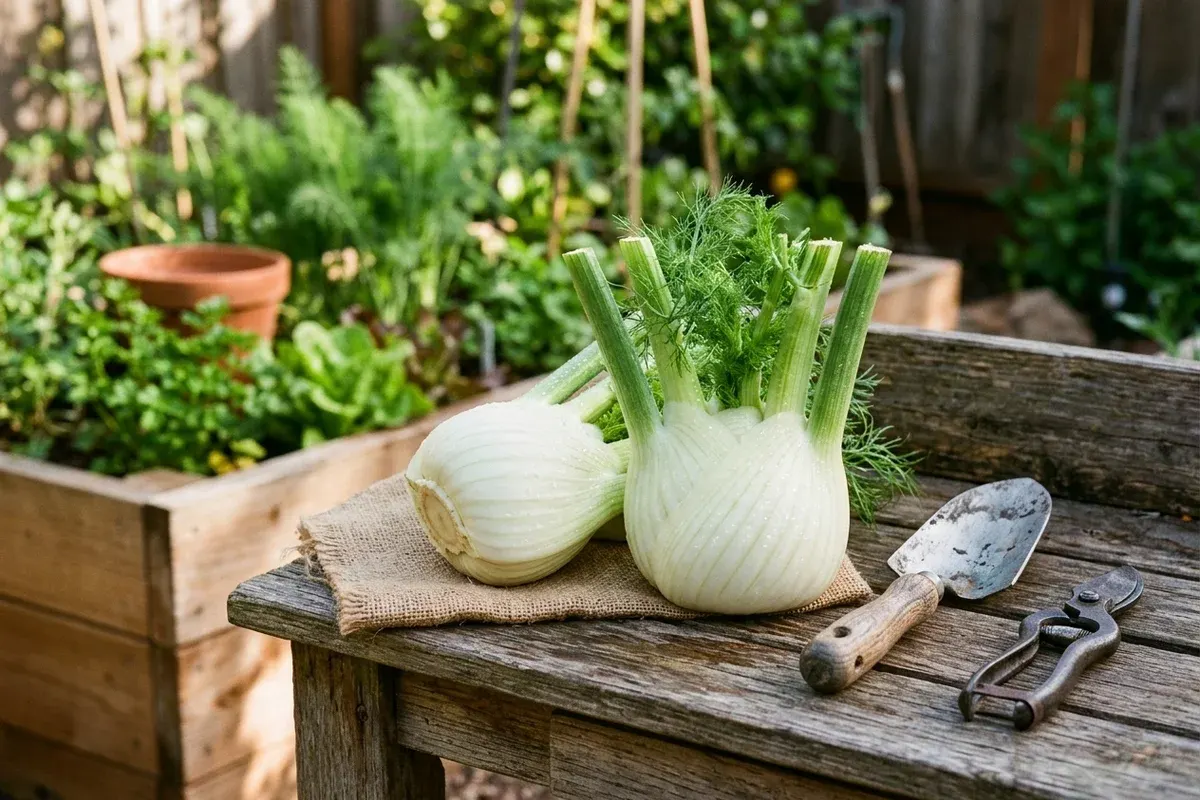
How to Grow Fennel
Foeniculum vulgare var. azoricum

By Efraín Vega · Published November 16, 2026
Sun
Full sun (6+ hours of direct sunlight daily; tolerates very light afternoon shade in hot climates)
Water
Even, abundant moisture (1–1.5 inches weekly; drought stress triggers rapid premature bolting and tough fibrous ribs)
Spacing
8–10 in apart within rows; 18–24 in between rows
Soil pH
6.0–7.0 (fertile, moisture-retentive loam enriched with aged compost)
Days to maturity
65–85 days from seed (harvest when swollen base reaches tennis-ball size, 3–4 inches across)
Hardiness zones
Zones 4–10 grown as a cool-season annual; mature bulbs withstand light frosts down to 26°F
When to plant: Midsummer for fall harvest (preferred) or early spring 2–3 weeks before your last frost date • Calculate planting dates for your city →
Florence fennel (Foeniculum vulgare var. azoricum)—celebrated across Italy as finocchio—is one of the most rewarding yet misunderstood vegetables in the kitchen garden. With its crisp, celery-like crunch, refreshing sweet licorice/anise aroma, and cloud-like feathery fronds, homegrown fennel surpasses grocery store specimens in juiciness and subtle floral complexity.
However, many gardeners struggle with bulbing fennel because they treat it like a generic summer crop. Florence fennel is a cool-season specialist: when planted at the wrong time or subjected to moisture stress, it rapidly bolts to flower, leaving behind tough, stringy stalks instead of a plump, succulent bulb.
Mastering soil moisture, understanding day-length photoperiods, and respecting fennel’s unique chemical interactions with neighboring plants will guarantee crisp, tender bulbs every autumn.
Florence Fennel vs. Common Herb Fennel
Before sowing, ensure you have purchased seeds for Florence bulbing fennel, not culinary herb fennel:
┌─────────────────────────────────────────────────────────┐
│              FENNEL VARIETY IDENTIFICATION              │
├─────────────────────────────────────────────────────────┤
│ FLORENCE BULBING FENNEL       COMMON HERB FENNEL        │
│ (var. azoricum / Finocchio)   (Foeniculum vulgare)      │
│                                                         │
│ • Short, stocky habit (18"-24")• Tall perennial (4'-6') │
│ • Swollen bulb at base        • Slender non-bulbing stem│
│ • Grown for succulent bulb    • Grown for leaves & seeds│
│ • Cool-season annual          • Hardy perennial herb    │
│ • Sensitive to day-length heat• Extremely heat-tolerant │
└─────────────────────────────────────────────────────────┘
Top proven bulbing cultivars include:
- 'Zefa Fino' (75 days): Outstanding Swiss-bred cold tolerance; highly bolt-resistant for both spring and fall crops.
- 'Preludio' (65 days): Fast-maturing hybrid producing heavy, rounded, pristine white bulbs with superb anise sweetness.
- 'Orion' (75 days): Very uniform, thick rounded bulbs that hold well in the ground without turning fibrous.
The Allelopathy Rule: Why Fennel is Garden Royalty (and a Loner)
Fennel is botanically unique in the vegetable garden. Its roots synthesize and release secondary metabolites—chiefly umbelliferone, anethole, and specific phenylpropanoids—that exhibit strong allelopathic inhibition.
These natural biochemicals seep into surrounding soil pores and inhibit the germination and root cell elongation of many neighboring crops:
| Neighboring Crop Family | Interaction with Fennel | Biological Mechanism |
|---|---|---|
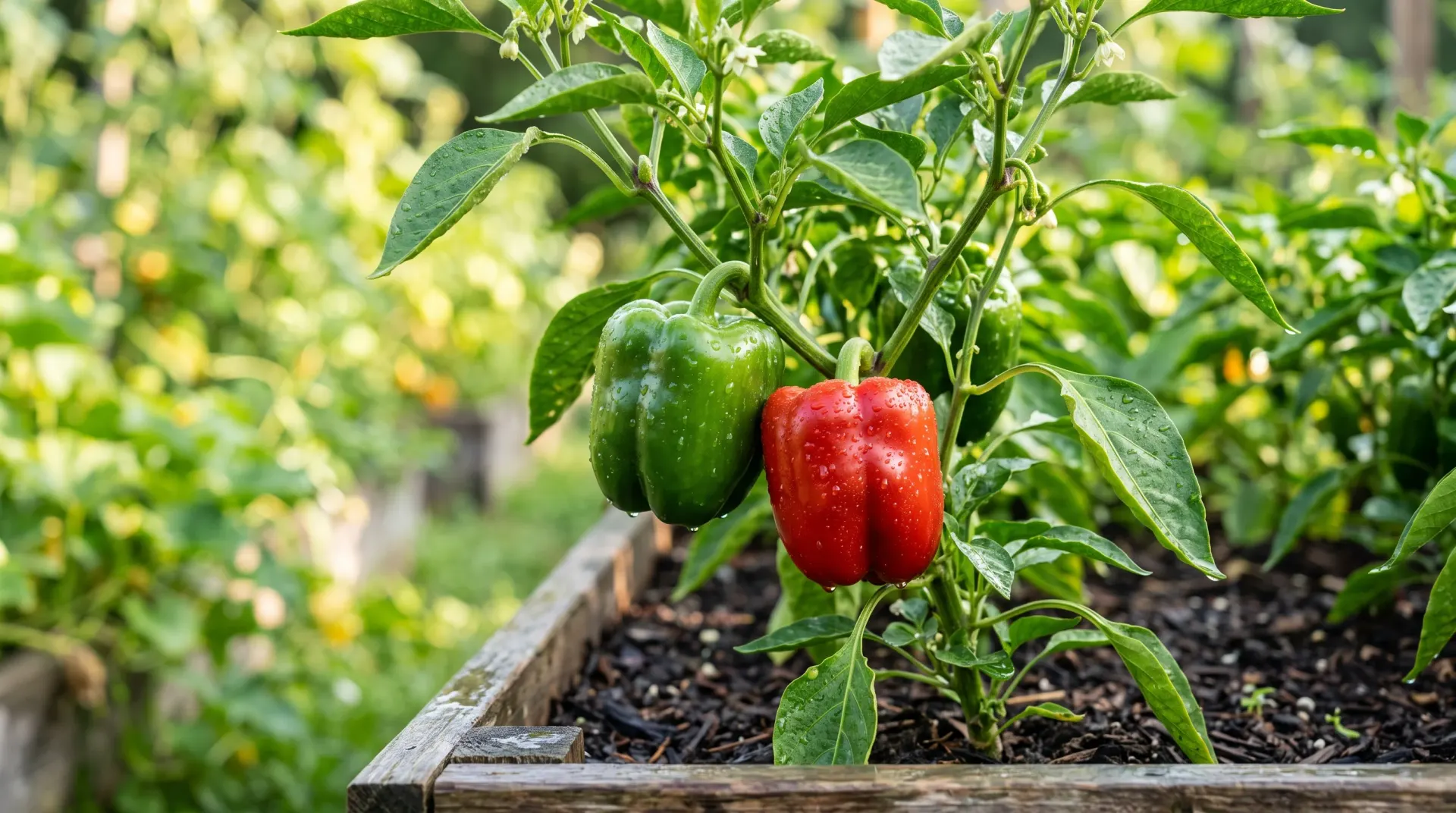
| Nightshades (Tomatoes, Peppers, Eggplants) | Harmful / Stunting | Fennel root exudates restrict vegetative vigor and reduce fruit set. |
| Legumes (Beans, Peas) | Severely Harmful | Disrupts symbiotic Rhizobium nitrogen fixation and stunts vine growth. |
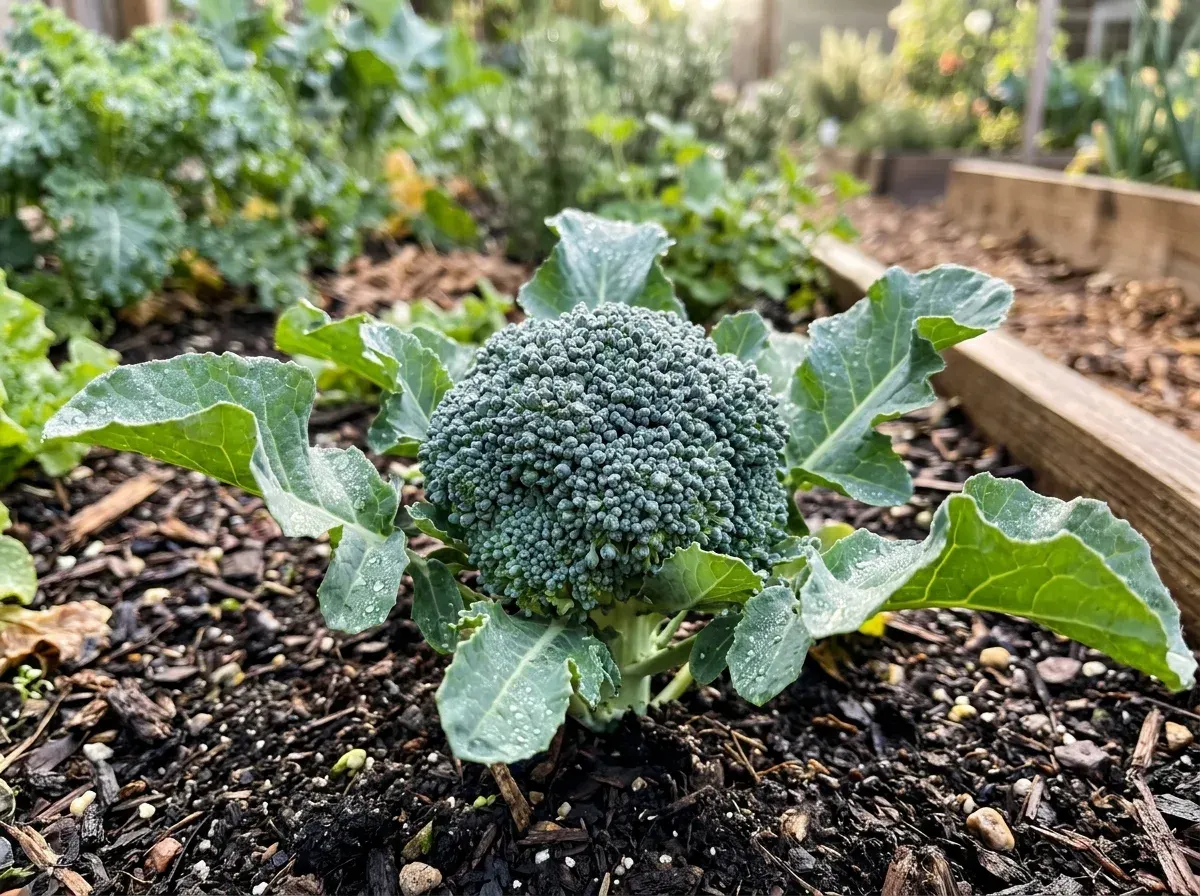
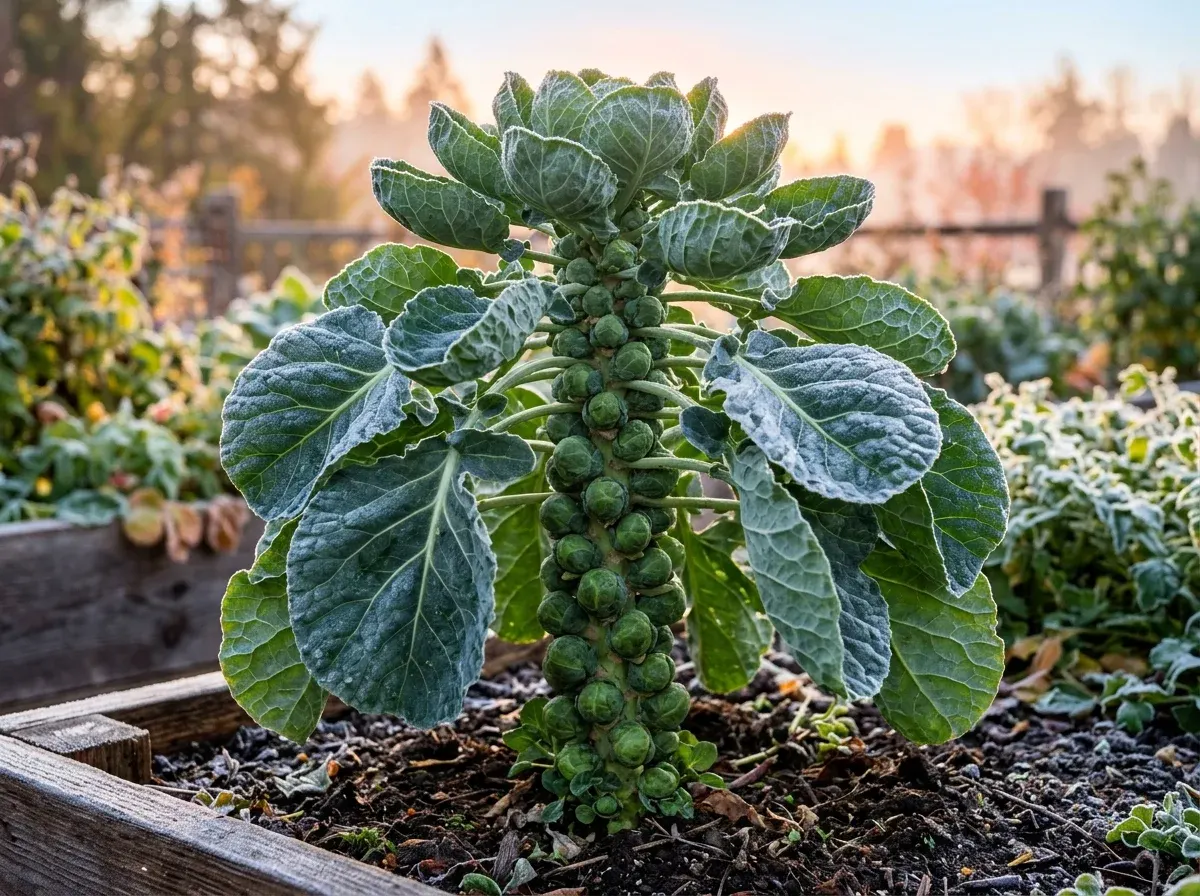
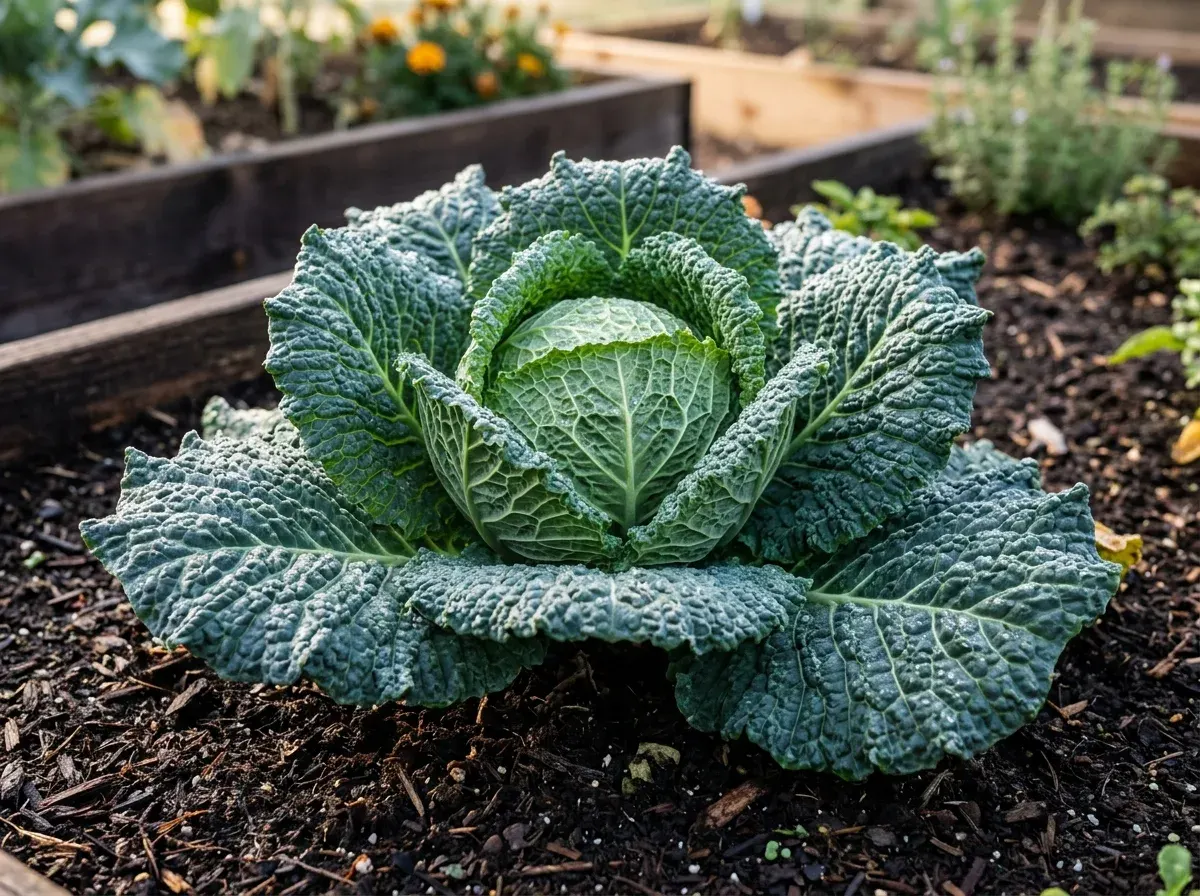
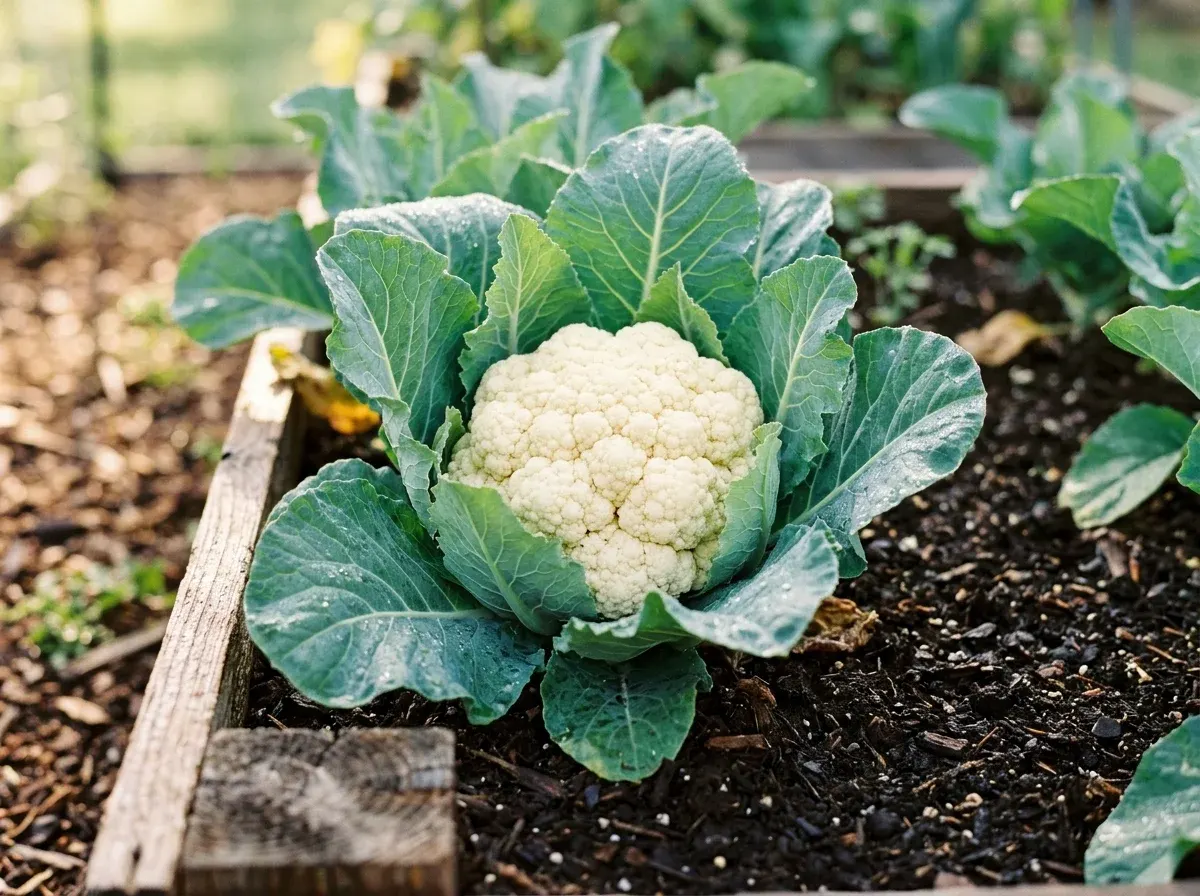
| Brassicas (Kohlrabi, Broccoli, Cabbage) | Incompatible | Inhibits root system development and increases susceptibility to pests. |
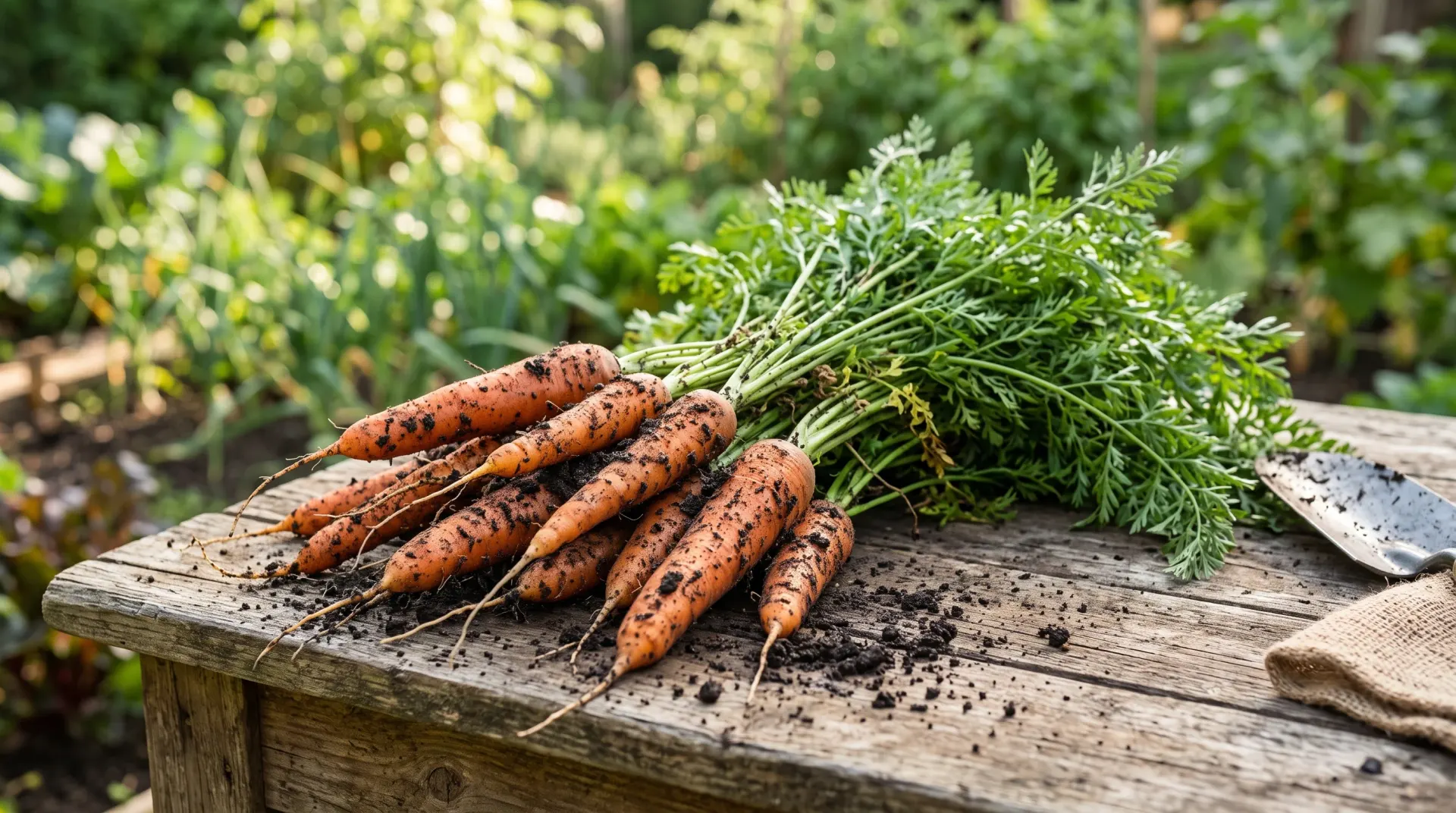
| Apiaceae (Dill, Carrots, Parsley) | Cross-Pollination Risk | Fennel easily cross-pollinates with dill, resulting in bitter-tasting foliage and seeds in both crops. |
| Companion Flowers (Marigolds, Zinnias) | Safe / Beneficial | Neutral root interaction; flowers draw pollinators without competition. |
[!IMPORTANT] Dedicated Bedding or Container Culture: Grow fennel in a dedicated 4×4 raised bed, at the isolated terminal end of a garden plot, or in 5-gallon fabric containers filled with rich potting soil where its root system will not leach into beds housing tomatoes or beans.
Soil Preparation & Watering Regimen
Fennel requires loose, stone-free, moisture-retentive soil to develop round, symmetrical bulbs without structural distortion.
- Soil Structure: Work 3 to 4 inches of aged compost or well-rotted leaf mold into the top 8 inches of your bed. Dense clay soils constrict the expanding bulb base, yielding flat, elongated ribs instead of plump spheres. Check soil requirements with our Raised Bed Soil Calculator.
- Moisture Consistency is Non-Negotiable: Fennel has a shallow, fibrous root network supporting heavy, succulent foliage that transpires moisture rapidly. Soil must remain uniformly damp like a wrung-out sponge. Install drip irrigation or soaker hoses beneath a 2-inch layer of straw or shredded pine mulch to prevent the soil surface from baking.
- Fertility Balance: Fennel is a moderate feeder. Incorporate a balanced organic fertilizer (5-5-5) at planting. Avoid excess synthetic nitrogen fertilizers; excessive nitrogen produces huge flushes of feathery top fronds while keeping the basal bulb loose, watery, and prone to rot.
Sowing & Cultural Management
┌─────────────────────────────────────────────────────────┐
│               FENNEL SEASONAL PLANTING TIMELINE         │
├─────────────────────────────────────────────────────────┤
│ FALL CROP (RECOMMENDED):                                │
│ • Sow seeds: Midsummer (85-90 days before first freeze) │
│ • Thin seedlings: 10"-12" apart when 3" tall            │
│ • Hill soil (Blanch): When base reaches golf-ball size  │
│ • Harvest: Autumn frosts (sweetest, crunchiest bulbs)   │
│                                                         │
│ SPRING CROP:                                            │
│ • Sow indoors: 4 weeks before last spring frost         │
│ • Transplant carefully (taproot sensitivity)            │
│ • Harvest: Early summer before temperatures exceed 80°F │
└─────────────────────────────────────────────────────────┘
Direct Seeding vs. Transplanting
Fennel develops a sensitive central taproot early in seedling development. Disturbing this root during rough transplanting shocks the seedling and triggers premature bolting.
- Direct Sowing (Preferred): Sow seeds 1/4 to 1/2 inch deep in moist soil. Seeds germinate in 7 to 10 days at soil temperatures between 60°F and 70°F (15°C–21°C).
- Indoor Sowing: If starting indoors for an early spring crop, use biodegradable peat pots or deep soil blocks that can be planted directly into the garden without root disturbance.
- Thinning: Thin seedlings mercilessly to 8 to 10 inches apart. Crowded fennel plants will not bulb; they will simply develop into spindly, intertwined stalks.
The Blanching Secret for Tender Bulbs
When the base of the fennel stem begins to swell to the size of a golf ball (approximately 2 inches in diameter):
- Gently pull loose soil, finished compost, or shredded straw up around the lower two-thirds of the bulb, covering it up to the point where the green leaf stalks fan outward.
- Shielding the bulb from direct UV rays prevents the development of chlorophyll in the outer scales, maintaining a porcelain-white color, crisp tenderness, and a delicate, sweet anise flavor.
Harvesting & Culinary Handling
- Optimal Harvest Timing: Harvest when the bulb is firm, solid, and measures 3 to 4 inches in diameter (about tennis-ball to softball size). Do not let bulbs sit in the ground until they exceed 5 inches, as outer layers become woody, fibrous, and develop an acrid aftertaste.
- Harvesting Technique: Slice through the taproot with a sharp harvest knife 1/2 inch below the base of the bulb, keeping the base intact so outer ribs do not fall apart.
- Post-Harvest Regrowth: If you leave the cut root base in the soil and keep it watered during mild autumns, the root crown will frequently sprout small baby fennel tender greens perfect for fresh salads.
- Kitchen Storage: Trim the feathery fronds to within 1 inch of the bulb (save fronds separately in an airtight container or freeze in olive oil ice cube trays). Wrap unwashed bulbs in a damp paper towel inside a loose produce bag in the crisper drawer of your refrigerator at 34°F–38°F; bulbs retain crisp crunch for up to 2 to 3 weeks.
Pest Management & Ecological Value
While fennel’s allelopathic roots repel many plants, its airborne foliage is an ecological paradise:
- Black Swallowtail Butterflies (Papilio polyxenes): Fennel is a primary larval host plant. Female butterflies lay pearl-like spherical eggs on the feathery leaves, which hatch into green, yellow, and black banded caterpillars. Dedicated gardeners frequently plant a few extra fennel stalks specifically to support local pollinator biodiversity.
- Beneficial Insect Magnet: The tiny nectar-rich flowers in fennel’s golden umbels are uniquely accessible to small beneficial predatory wasps (Braconidae), syrphid hoverflies, and green lacewings that hunt aphids, thrips, and cabbageworms across your entire garden.
- Slugs and Snails: Slugs love tender young fennel bulbs. Protect swelling bases with organic iron phosphate bait (Sluggo) or beer traps buried flush with the soil line.
Related Guides & Planning Tools
- Companion Planting Chart & Checker: Verify safe and conflicting crop pairings across 35+ garden vegetables.
- First & Last Frost Dates Calculator: Calculate your fall planting date 90 days before your first autumn freeze.
- Raised Bed Soil Calculator: Build the ideal loose, compost-rich soil blend for perfect bulb formation.
- How to Grow Rutabaga: Companion cool-season root brassica for rich autumn homestead harvests.
- How to Build a DIY Cedar Walkthrough Garden Arbor: Elevate your garden landscape with a permanent cedar entrance arbor.
Beneficial Companion Plants for Fennel
FAQ
What is the difference between Florence fennel and herb fennel?
Florence fennel (Foeniculum vulgare var. azoricum, or finocchio) is a stocky annual bred specifically for its swollen, overlapping succulent leaf bases that form a tender, crisp bulb at soil level. Common herb fennel (Foeniculum vulgare) is a tall, perennial culinary herb reaching 5 to 6 feet that produces only slender stems, feathery foliage, and pungent aromatic seeds without ever swelling into an edible bulb.
Why does fennel bolt before forming a bulb?
Bulbing fennel is acutely sensitive to photoperiod (increasing day length) and temperature spikes above 80°F (27°C). Spring-planted crops exposed to lengthening summer days and heat shocks abandon bulb formation and immediately send up a hollow flowering stalk. To prevent bolting, sow fennel in midsummer so plants mature during the declining day lengths and cooling temperatures of autumn.
Why is fennel considered a bad companion plant in the vegetable garden?
Fennel is notorious for allelopathy: its roots exude umbelliferone and other aromatic hydrocarbon compounds into the soil that chemically suppress cell elongation and stunt neighboring crops—particularly nightshades (tomatoes, peppers, eggplants), legumes (beans, peas), and brassicas. Always give fennel a dedicated corner of the garden, a separate raised bed, or grow it in a 5-gallon container.
Should you hill soil around fennel bulbs while growing?
Yes. Blanching—mounding 2 to 3 inches of loose soil or straw mulch around the base of the swelling bulb when it reaches golf-ball size (about 2 weeks before harvest)—protects the bulb from direct sunlight. This keeps the outer ribs tender, juicy, and pearly white while preventing bitter, tough outer fibers.
Can you eat both the fennel bulb and the feathery foliage?
Every part of Florence fennel is edible: the crisp bulb can be shaved raw into citrus salads or roasted until caramelized and sweet; the tender feathery fronds serve as an aromatic herb garnish for fish, poultry, and soups; and the hollow stalks can be chopped into mirepoix or used as a roasting bed.
Does fennel attract beneficial insects to the garden?
Yes, tremendously. If allowed to produce its yellow umbel blossoms in late autumn or second year, fennel is one of the single most powerful attractors of beneficial predatory insects—including hoverflies, lacewings, ladybugs, and micro-parasitic wasps that prey on garden aphids and hornworms. It is also a primary host plant for Eastern Black Swallowtail butterfly caterpillars.