How to Grow Jalapeños
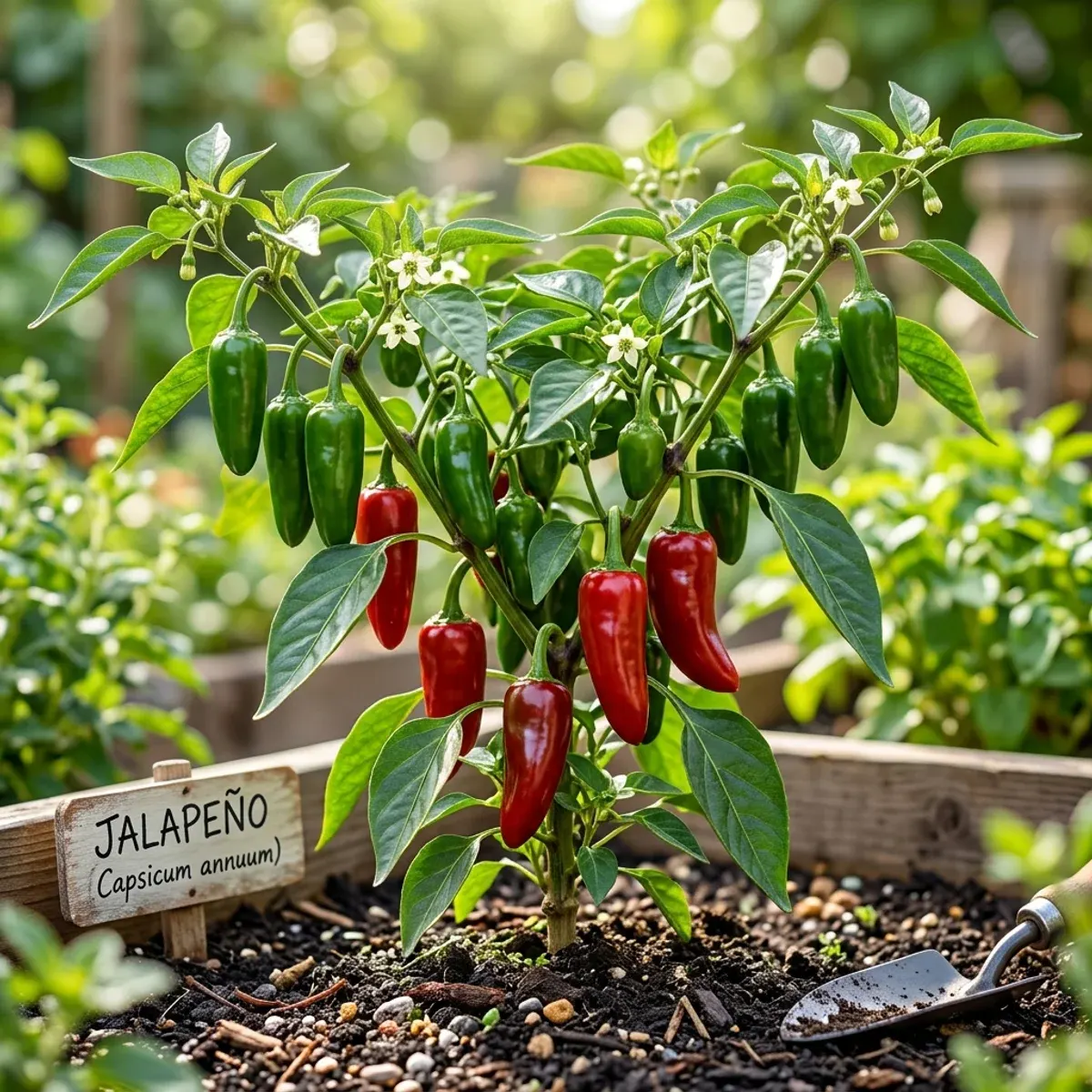
Capsicum annuum

By Efraín Vega · Published October 28, 2026
Sun
Full sun (6–8+ hrs)
Water
1–1.5 in/week, deep and consistent
Spacing
14–18 in apart in beds (18–24 in rows)
Soil pH
6.0–6.8
Days to maturity
70–85 days after transplant
Hardiness zones
Annual in zones 3–9; perennial in frost-free zones 10–11
When to plant: 2–3 weeks after last frost once night temperatures reliably exceed 55°F • Calculate planting dates for your city →
Jalapeño peppers require full sun, warm soil above 65°F, and 14–18 inches of spacing in garden beds. They yield 25 to 40 pods per healthy plant over a 70–85 day growing window from transplant, making them one of the most productive warm-season crops for raised beds and patio containers.
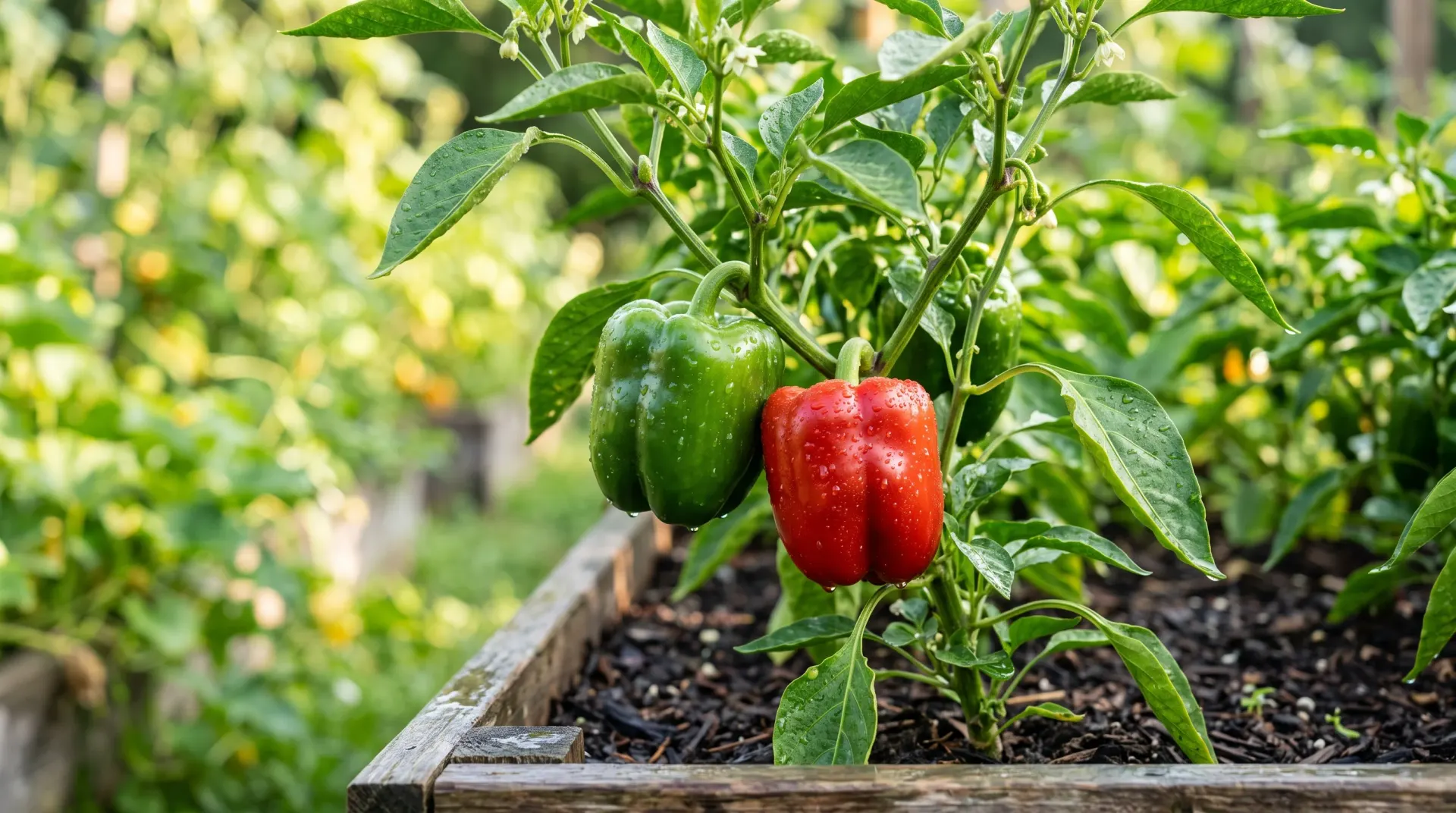
Like sweet bell peppers, jalapeños are sensitive to frost and stunted by cold spring soil. Starting seeds indoors 8–10 weeks before your average last frost date ensures robust, stocky transplants ready to hit the ground running once summer heat arrives.
When should you plant jalapeños?
Transplant jalapeños outdoors 2 to 3 weeks after your final spring frost, once daytime highs consistently reach 70–80°F and nighttime lows stay comfortably above 55°F.
According to Texas A&M AgriLife Extension, planting peppers into cold soil below 60°F shocks the root system, causing blossom drop and persistent yellowing that can delay fruiting by weeks. If early spring weather turns cool and damp, protect young transplants with cloches, row covers, or water walls until nighttime temperatures stabilize.
How far apart should you plant jalapeños?
Texas A&M and University of Florida IFAS recommend spacing jalapeño plants 14 to 18 inches apart in all directions within raised garden beds. In traditional single-row garden layouts, space plants 18 inches apart within the row with 24 to 36 inches between rows.
A standard 4x8 ft raised bed comfortably supports 8 to 10 jalapeño plants when staggered in two offset rows. This leaves ample room for perimeter companion plantings like cilantro and bush basil. Staking or using small tomato cages is recommended, as heavy fruit loads can snap brittle branches during mid-summer thunderstorms.
Soil and fertilizer requirements
Jalapeños thrive in rich, loose, well-draining loam packed with aged compost and organic matter, with an optimal soil pH between 6.0 and 6.8.
Avoid heavy applications of high-nitrogen fertilizer once plants begin to flower; excess nitrogen creates luxuriant foliage but drastically cuts pepper production. Instead, side-dress plants with a balanced, slow-release organic fertilizer (such as 5-10-10) or compost tea when the first flower buds appear, and again midway through the harvest season.
What causes 'corking' on jalapeños?
The subtle white woody lines or stretch marks visible on mature jalapeños are known as "corking." Corking indicates rapid fruit growth followed by skin expansion, and in traditional markets it is prized as a sign of peak flavor, maturity, and optimal capsaicin heat.
Watering and moisture management
Provide 1 to 1.5 inches of water per week, soaking the soil deeply once or twice a week rather than giving shallow daily sprinkles. Keep moisture consistent throughout the flowering and fruit-set stages.
Uneven watering during early pod formation can cause blossom-end rot, a condition where calcium uptake is hindered by moisture fluctuations. Applying a 2–3 inch layer of clean straw, pine straw, or shredded bark mulch maintains steady root temperatures and minimizes evaporation.
Harvesting jalapeños
Harvest green jalapeños when they reach 3 to 4 inches in length, feel firm and glossy, and snap crisply under light thumb pressure. Use clean hand pruners or garden shears to snip the stem approximately 1/2 inch above the fruit cap; pulling peppers by hand frequently rips side branches off the central stem.
To harvest red jalapeños, allow the pods to remain on the bush for an additional 2 to 3 weeks. They will transition from dark forest green to near-black, and finally to deep crimson. Red jalapeños have accumulated significantly higher sugar levels and peak capsaicin concentration.
Building a pepper patch? The Raised Bed Soil Calculator calculates your compost-and-topsoil blend, and the Drip Irrigation Calculator ensures smooth, timer-driven watering throughout summer heatwaves.
Sources: Texas A&M AgriLife Extension — Peppers, UF/IFAS Extension — Jalapeño Production Guide, UMD Extension — Growing Peppers.
Beneficial Companion Plants for Jalapeño
FAQ
How hot are jalapeños on the Scoville scale?
Jalapeños measure between 2,500 and 8,000 Scoville Heat Units (SHU). Heat increases as the fruit matures, during periods of water stress, and when fruit shows fine white stretch marks ('corking').
Can you pick jalapeños when they turn red?
Yes. Fully ripe red jalapeños are sweeter and slightly hotter than green ones. Red jalapeños are what traditional chipotles are made from after smoke-drying.
What causes jalapeño flowers to drop off?
Blossom drop happens when night temperatures drop below 55°F or daytime temperatures exceed 90°F. Excess nitrogen fertilizer can also cause vigorous foliage growth at the expense of blossom retention.
How much sun do jalapeño plants need?
Jalapeños require full sun, meaning at least 6 to 8 hours of unfiltered direct sunlight daily for sturdy stems and heavy pod yields.
How long do jalapeño peppers take to mature?
They take 70 to 85 days after transplanting seedlings into the garden bed, or about 100 to 120 days when grown from seed.