How to Grow Cantaloupe
Cucumis melo

By Efraín Vega · Published November 13, 2026
Sun
Full sun (8+ hrs of direct sunlight)
Water
1–2 inches per week; reduce watering 1 week before harvest to intensify natural sugars
Spacing
3–4 ft apart in ground; 12–18 in apart when trellised vertically
Soil pH
6.0–6.8
Days to maturity
75–90 days from seed
Hardiness zones
Grown as a summer annual across USDA zones 3–11
When to plant: 2–3 weeks after last spring frost once soil reaches 70°F (21°C) • Calculate planting dates for your city →
Cantaloupes (Cucumis melo, commonly referred to as muskmelons across North America) are the quintessence of summer gardening. A homegrown melon ripened to perfection on the vine possesses a luscious floral aroma and honeyed sweetness that store-bought melons—picked rock-hard and artificially ripened during transit—simply cannot match.
To succeed with cantaloupes, gardeners need three elements: unrestricted full sun, warm, fertile soil, and an understanding of the "full slip" harvest stage.
Soil Temperature & Planting Guidelines
Cantaloupes are tropical heat-lovers originating in Central Asia. Planting them in cool, damp soil results in damping-off fungus, stunted growth, and seed rot:
  [Soil Below 65°F] ==================> Seeds rot; roots succumb to pythium
  [Soil at 70°F–85°F] ================> Explosive germination within 4–6 days
- Soil Warming Trick: Lay black plastic sheeting or dark compost over your garden beds 2 weeks before planting to preheat the soil.
- Mounding: If growing directly on the ground, create 6-inch-high mounds (hills) spaced 4 to 6 feet apart. Hills warm up faster in spring and provide critical drainage around the root crown.
- Raised Bed Soil: Calculate a rich, loose mix with high compost using our Raised Bed Soil Calculator.
Vertical Trellising: Saving Space in Raised Beds
A single cantaloupe vine can easily sprawl 6 to 10 feet horizontally, suffocating other vegetables in a standard 4x8 raised bed.
Vertical trellising transforms cantaloupes into an efficient, high-yield vertical crop:
             [Sturdy A-Frame or Cattle Panel Trellis]
                       /                 \
                      /   (Melon Sling)   \
                     /        [O]          \  <-- Pantyhose or cloth hammock
                    /                       \     supports 3–5 lb melon
                   /                         \
  ====================================================== (Soil Line)
- Erect the Trellis: Use an A-Frame Cucumber Trellis or arching cattle panel secured with metal T-posts. Calculate lumber with our Arbor & Trellis Calculator.
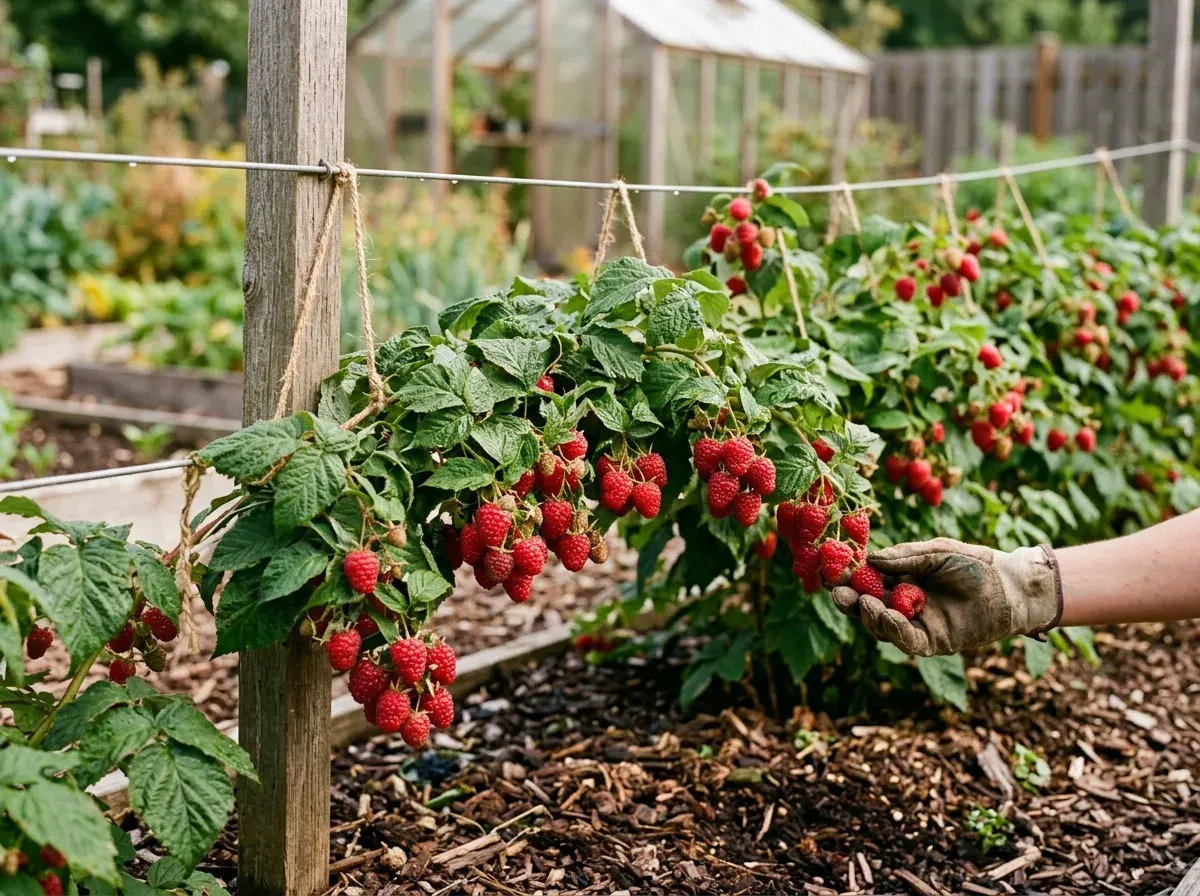
- Train the Vines: As main vines grow, gently weave them through the trellis rungs every few days. Tendrils will wrap tightly around the wire.
- Melon Hammocks (Essential): When fruits swell to tennis-ball size, tie a cradle made of stretchy pantyhose, macrame, or soft cloth to the trellis frame directly under each melon. This supports the 3- to 5-pound weight and prevents premature slipping.
Companion Planting Synergies
Pairing cantaloupes with beneficial companion plants mitigates their greatest natural vulnerability: the striped cucumber beetle (Acalymma vittatum), which vectors bacterial wilt.
- Radishes: Plant a perimeter of Radishes around melon hills. Radish foliage contains pungent glucosinolates that naturally repel striped cucumber beetles.
- Marigolds: Marigold root exudates suppress parasitic root nematodes, and their vibrant blooms attract honeybees needed for melon pollination.
- Sweet Corn: In hot southern climates, planting Sweet Corn on the west side provides light dappled afternoon shade to prevent sunscald on ripening rinds.
- Dill & Flowering Herbs: Attract predatory hoverflies and parasitic wasps that prey on melon aphids.
What to Avoid
Do not plant cantaloupes adjacent to potatoes. Both crops are heavy feeders that deplete potassium and attract matching fungal blight spores.
How to Harvest at "Full Slip"
Never guess when a cantaloupe is ripe, and never cut a cantaloupe from the vine with a knife:
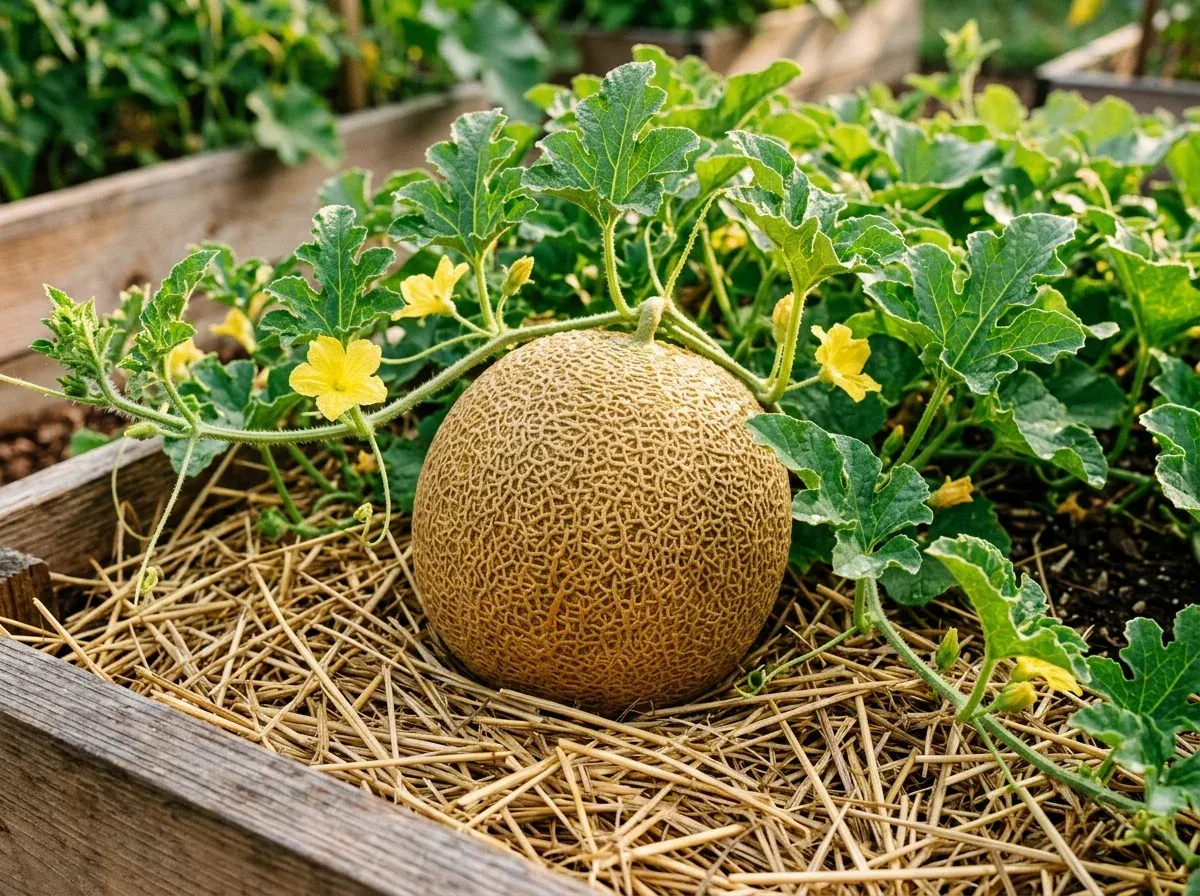
- The Netting: The rough, webbed netting across the rind becomes raised, dry, and corky.
- The Color Shift: The background skin beneath the netting changes from gray-green to a warm golden-tan or creamy yellow.
- The Slip Test: Gently press your thumb against the base of the stem where it connects to the melon. If ripe, the stem will cleanly separate ("slip") from the fruit with zero effort, leaving a smooth circular depression. If you have to pull, yank, or twist, the melon is not ready—leave it on the vine for 24 more hours.
Sources: Cantaloupe & Muskmelon — Clemson Cooperative Extension, Growing Melons in Home Gardens — University of Minnesota Extension.
Beneficial Companion Plants for Cantaloupe
Plant cantaloupe near: Radish, Marigold, Sweet Corn, Dill.
FAQ
How do you know when a cantaloupe is perfectly ripe?
Look for three definitive indicators: (1) 'Full slip'—the vine stem detaches cleanly from the melon with gentle thumb pressure, leaving a smooth, hollow, bowl-shaped scar without tearing melon flesh; (2) Background color shift—the skin between the raised netting changes from dull green to a warm creamy tan or golden-yellow; and (3) Sweet aroma—the blossom end (opposite the stem) smells intoxicatingly fragrant and yields slightly to thumb pressure.
Can you grow cantaloupes vertically on a trellis?
Yes. Growing cantaloupes vertically on an A-frame or cattle panel trellis is ideal for raised beds. It maximizes airflow, virtually eliminates fungal powdery mildew, and keeps fruit safe from ground slugs. Once melons reach baseball size, cradle each fruit in a stretchy sling (using pantyhose, cheesecloth, or mesh netting) tied to the trellis to prevent the heavy fruit from snapping its vine prematurely.
Why are my cantaloupes bland and watery instead of sweet?
The most common culprit is excessive watering during the final 7 to 10 days of ripening. High water volume dilutes the fruit's soluble sugars (Brix level). Taper off irrigation as soon as the melon rind turns tan and the netting hardens. Other causes include cool overcast weather or early powdery mildew stripping the leaves of photosynthetic power.
Why are my cantaloupe flowers dropping without making fruit?
Cantaloupe vines produce male flowers first (which produce pollen on slender stems) for 1 to 2 weeks before producing female flowers (distinguished by a small miniature melon swelling at the base of the petals). If female flowers drop without swelling, poor bee pollination is the cause. Plant nectar-rich flowers nearby or hand-pollinate using a small paintbrush.
When should I plant cantaloupes?
Never rush cantaloupes into cold spring soil. Wait 2 to 3 weeks after your average last frost date until soil temperatures stabilize at 70°F or warmer. In northern zones, start seeds indoors 3 weeks before transplanting in biodegradable peat pots to avoid root disturbance.