How to Prepare Raised Beds for Winter (Fall Checklist)

By Rowan Plank · Published September 30, 2026
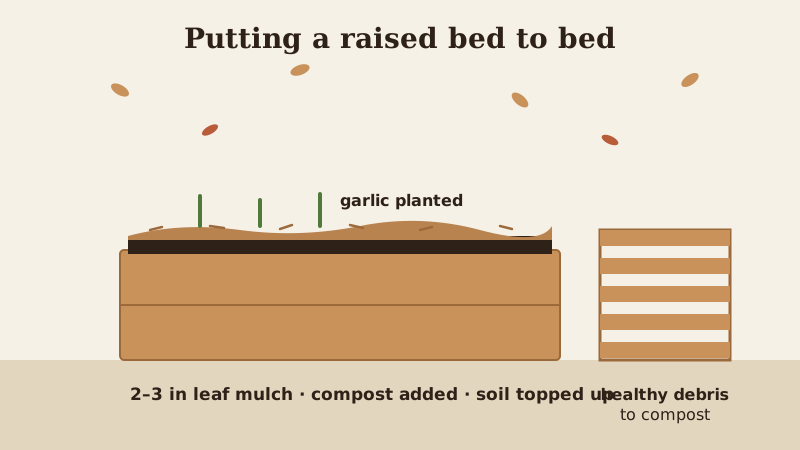
To get a raised bed ready for winter: clear out spent plants after frost, trash anything diseased, add compost, top up soil that has settled, and cover the surface with 2–3 inches of mulch or a cover crop. An hour of work in fall means a bed you can plant the moment spring arrives.
1. Clear out spent plants
Iowa State Extension recommends removing all leaves, stems, fruit and other plant parts after the first frost, because many vegetable diseases and pests overwinter on plant debris. Pull roots of annual crops too.
Leave anything still producing. Kale, spinach, carrots and other cool-season crops keep going well into fall.
2. Compost it — or trash it
Healthy plant material can go in the compost. Diseased plants are different: Iowa State notes composting only kills most pathogens if the pile heats up to at least 140°F, which most home piles don't reach. Bag diseased plants for the trash instead. Tomato and squash leaves with spots or mildew are the usual suspects.
3. Add compost now
Fall is a good time to work in amendments like compost, well-rotted manure, leaves and disease-free garden waste, according to Iowa State Extension. They break down over winter and the bed is ready to plant in spring. A 1–2 inch layer of compost spread over the surface is plenty for most beds.
4. Top up settled soil
Raised bed soil sinks every year as organic matter breaks down. Check the level: if it's dropped more than an inch or two below where you want it, fill it back up with a blended mix. The Raised Bed Soil Calculator works for top-ups too — just enter the missing depth instead of the full bed height.
Plan next year's rotation now
Iowa State Extension recommends not planting vegetables from the same family in the same spot for at least three years. Jot down what grew in each bed this year while you still remember.
5. Cover the soil for winter
Bare soil erodes and loses organic matter. Two easy ways to protect it:
- Mulch: spread 2–3 inches of shredded leaves, straw or other organic mulch. It will have mostly broken down by spring. The Mulch Calculator tells you how much you need for the bed.
- Cover crop: sow a winter cover crop like oats or cereal rye in early fall. The roots hold the soil, and you cut it down a couple of weeks before spring planting.
6. Plant garlic
Mid to late fall is garlic-planting time, and a raised bed is ideal for it: plant cloves 1–2 inches deep and 3–6 inches apart, then mulch. University of Maryland Extension recommends planting mid to late October in the mid-Atlantic.
7. Take care of the bed itself
Check wood frames for loose screws or boards bowing outward and fix them before the soil freezes. Drain and store hoses, and disconnect drip lines so water doesn't freeze and split them.
Sources: Fall Garden Tasks — Iowa State University Extension, Mulch — Clemson HGIC, Growing Garlic in a Home Garden — UMD Extension.
FAQ
Should I leave raised beds empty over winter?
It's better not to leave the soil bare. Cover it with 2–3 inches of mulch such as shredded leaves or straw, or grow a cover crop. Covered soil erodes less and keeps more organic matter.
Can I put spent vegetable plants in the compost?
Healthy ones, yes. Diseased plants should go in the trash unless your compost pile gets hot — Iowa State Extension notes a pile needs to reach at least 140°F to kill most pathogens, and most backyard piles don't.
When should I add compost to a raised bed?
Fall is a good time. Iowa State Extension recommends adding amendments like compost, well-rotted manure, leaves and disease-free garden waste in fall, so they're breaking down by spring planting.
Do I need to replace the soil in my raised bed?
No. Soil settles and organic matter breaks down, so beds sink a little each year. Top them up with a blended mix or compost instead of replacing everything.