How to Plant Spring Bulbs in Fall: Depth & Timing

By Efraín Vega · Published October 12, 2026
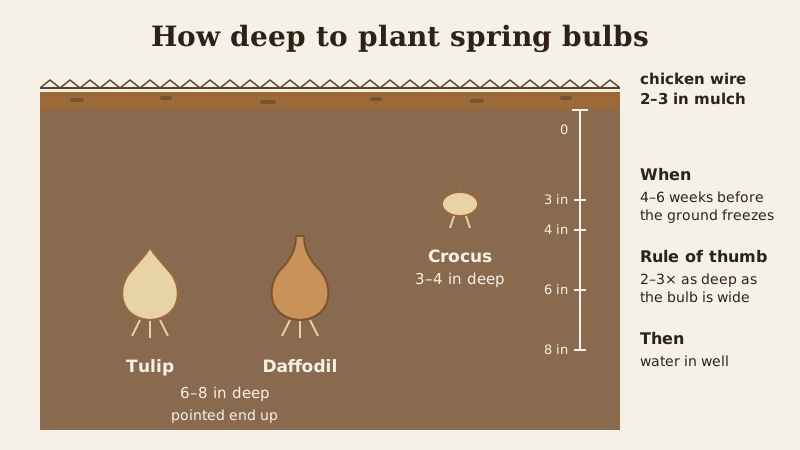
Plant tulips and daffodils 6–8 inches deep, and small bulbs like crocus 3–4 inches deep, pointed end up. In most of the US, the right time is about 4–6 weeks before the ground freezes, which is mid-October to early November in places like central Illinois. Water them in, and they'll root this fall and bloom next spring.
When should you plant spring bulbs?
Bulbs need to grow roots before the ground freezes, and they need a long cold spell to bloom.
- Cold-winter areas: about 4–6 weeks before the ground freezes, per University of Illinois Extension. In much of the Midwest and Northeast, that's October into early November.
- Warm-winter areas: Clemson Extension says to plant daffodils in October or November, but wait on other spring bulbs until the soil at planting depth stays below 60°F. In coastal South Carolina, that's often late December or early January.
- Mild-winter South: tulips and similar bulbs need about 12–16 weeks of cold to flower. Clemson suggests chilling them in the refrigerator, in ventilated bags, until planting. Keep them away from fruit; fruit gives off ethylene gas, which can keep the bulbs from blooming.
Buy firm bulbs with no mold or soft spots, and keep them cool (below 60°F) until you plant.
How deep should you plant bulbs?
| Bulb | Planting depth | Plant in groups of |
|---|---|---|
| Tulips | 6–8 in | 5 or more |
| Daffodils | 6–8 in | 5 or more |
| Crocus and other small bulbs | 3–4 in | 25 or more |
Depths are from University of Illinois Extension and measured to the base of the bulb. For other bulbs, use the rule of thumb: plant 2 to 3 times as deep as the bulb is wide. A bulb 2 in across goes 4–6 in deep. The bag or tag usually lists depth and spacing for that variety; follow it when it differs.
How to plant them, step by step
- Pick a spot with well-drained soil. A raised bed works well if your ground stays wet.
- Loosen the soil a few inches below planting depth. University of Wisconsin Extension suggests working a complete fertilizer such as 5-10-5 or 5-10-10 into the top 4–6 in at about 1 lb per 100 sq ft.
- Dig a hole or trench to the depth in the table. Planting a group in one wide hole is faster than digging holes one by one, and it gives a fuller look.
- Set each bulb nose up, root plate down.
- Backfill and water well so the soil settles around the bulbs.
- Mulch (optional). Illinois Extension notes you can cover the bed with 2–3 inches of mulch. The Mulch Calculator gives you bags or cubic yards for your bed.
- Protect from diggers. Lay chicken wire or hardware cloth over the bed and pin it with landscape staples.
Daffodils where squirrels win
If squirrels and other rodents keep digging up your tulips, plant daffodils instead. Illinois Extension lists them as a rodent-resistant choice.
What to do in spring
- Fertilize as shoots come up, not during bloom. Illinois Extension suggests a 10-10-10 or bulb fertilizer when plants emerge; feeding during flowering can encourage bulb rot.
- Leave the leaves alone after flowering. Green leaves feed next year's bulb. Wisconsin Extension recommends leaving the foliage in place after blooming so the leaves can store energy for next year.
- Water during dry spells while the plants are growing.
Sources: How to plant flower bulbs for a colorful spring display — University of Illinois Extension, Plant Spring-Flowering Bulbs Now — University of Wisconsin–Madison Extension, Spring-Flowering Bulbs — Clemson Cooperative Extension.
FAQ
Is it too late to plant tulip bulbs?
Not as long as you can still dig. University of Illinois Extension says to plant about 4 to 6 weeks before the ground freezes, roughly mid-October to early November there. Bulbs planted later still bloom, but they have less time to root.
Which way up do you plant bulbs?
Pointed end (the nose) up, flat root plate down.
Do I need to water bulbs after planting?
Yes. Water the area well right after planting so the soil settles around the bulbs, then water during dry spells in fall.
How do I keep squirrels from digging up bulbs?
Lay chicken wire or hardware cloth over the planted area and pin it down with landscape staples, or just under the soil surface. Daffodils are a good choice where rodents are a problem, because they tend to leave them alone.