How Much Sand Do I Need? Pavers, Sandboxes & Lawn Leveling (2026)

By Efraín Vega · Published November 7, 2026
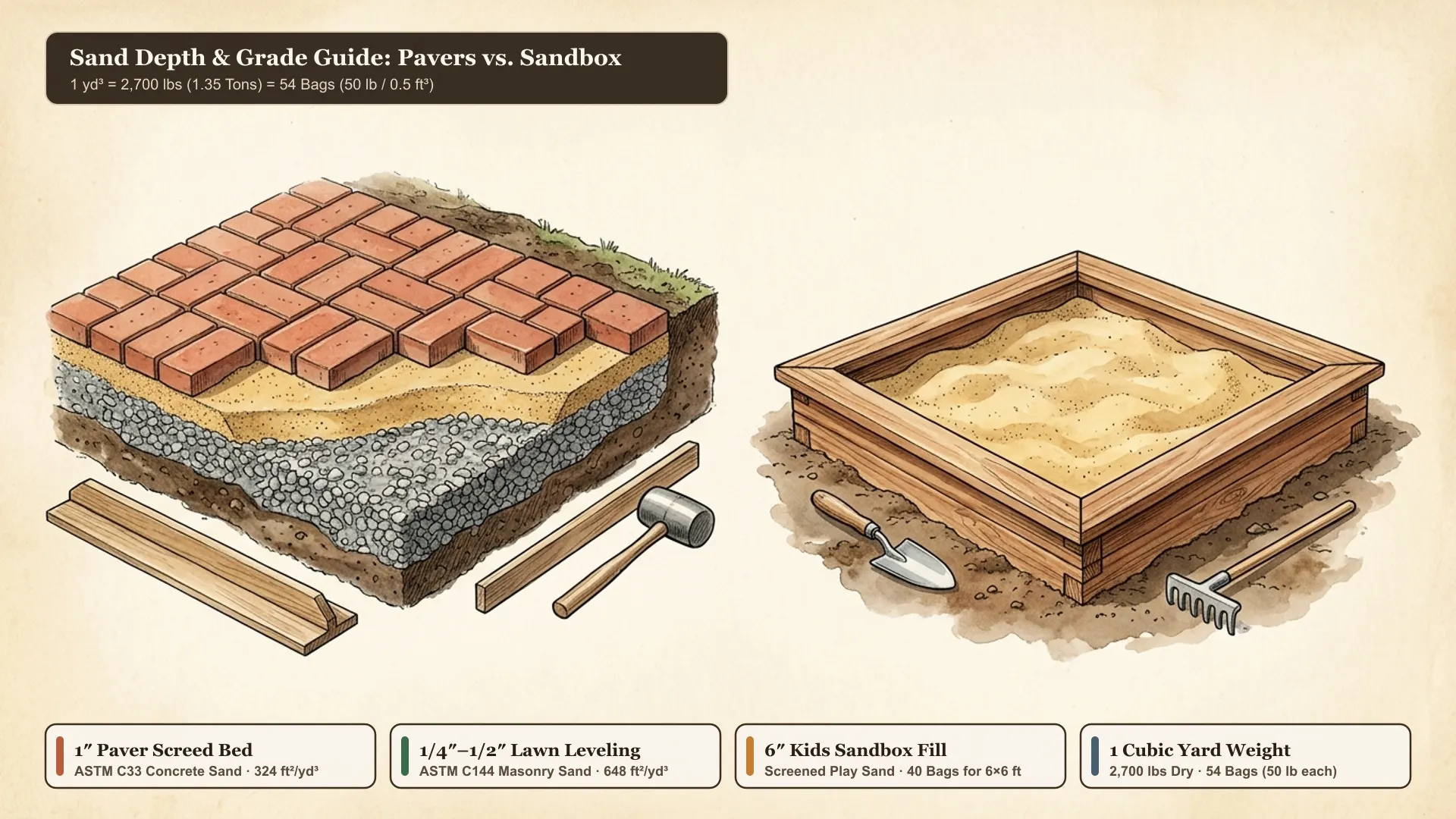
1 cubic yard of sand (27 cubic feet) weighs 2,700 pounds (1.35 tons) dry, equals 54 bags of 50-pound sand (0.5 cu ft each), and covers 324 square feet at a 1-inch paver bedding depth (or 295 sq ft with a 10% compaction allowance). For a standard 6×6-foot kids' sandbox filled 6 inches deep, you need 40 bags of 50-pound play sand (19.8 cu ft).
Plug your exact project dimensions into our interactive Sand & Sandbox Calculator, or jump directly to our pre-calculated takeoffs for 1 Cubic Yard of Sand and a 6×6 Sandbox.
Sand coverage & bag chart by project size (With +10% compaction)
Every row below includes a 10% compaction and leveling buffer so you don't come up short after screeding or tamping:
| Project / Footprint | Sand Grade | Target Depth | Volume (+10%) | Weight (Tons / Lbs) | 50-lb Bags (0.5 ft³) |
|---|---|---|---|---|---|
| 4×4 ft Toddler Sandbox | Screened Play Sand | 6 inches | 8.8 ft³ (0.33 yd³) | 0.43 tons (860 lbs) | 18 bags |
| 6×6 ft Kids Sandbox (Takeoff) | Screened Play Sand | 6 inches | 19.8 ft³ (0.74 yd³) | 0.96 tons (1,924 lbs) | 40 bags |
| 8×8 ft Family Sandbox | Screened Play Sand | 6 inches | 35.2 ft³ (1.31 yd³) | 1.70 tons (3,406 lbs) | 71 bags |
| 10×10 ft Paver Patio (Takeoff) | ASTM C33 Concrete Sand | 1 inch | 9.2 ft³ (0.34 yd³) | 0.46 tons (918 lbs) | 19 bags |
| 12×12 ft Paver Patio (Takeoff) | ASTM C33 Concrete Sand | 1 inch | 13.2 ft³ (0.49 yd³) | 0.66 tons (1,323 lbs) | 27 bags |
| 1 Cubic Yard Bulk (Takeoff) | Concrete / Masonry | 1 inch (295 ft²) | 27.0 ft³ (1.00 yd³) | 1.35 tons (2,700 lbs) | 54 bags |
| 1,000 sq ft Lawn Topdress | ASTM C144 Masonry Sand | 0.25 inch | 22.9 ft³ (0.85 yd³) | 1.15 tons (2,295 lbs) | 46 bags |
| 1,000 sq ft Lawn Leveling | ASTM C144 Masonry Sand | 0.50 inch | 45.8 ft³ (1.70 yd³) | 2.30 tons (4,590 lbs) | 92 bags |
Choosing the right sand grade: Concrete vs. Masonry vs. Play Sand
Buying the wrong sand grade is one of the most expensive DIY landscaping mistakes. Using fine play sand under a brick patio causes pavers to sink and shift after the first heavy rain, while putting coarse concrete sand in a kids' sandbox creates an abrasive, dusty surface.
| Sand Type | ASTM Spec / Grain Shape | Bulk Density | Best Applications | Never Use For |
|---|---|---|---|---|
| Washed Concrete Sand | ASTM C33 — Coarse, angular multi-size grains | 1.35 tons/yd³ (2,700 lbs) | 1-inch paver screed bedding, flagstone bases, concrete mixing | Kids' sandboxes (too coarse and sharp) |
| Fine Masonry Sand | ASTM C144 — Fine, uniform sub-angular grains | 1.35 tons/yd³ (2,700 lbs) | Bermuda/Zoysia lawn leveling, brick mortar, pool liner bases | Paver screed beds (washes out into gravel base) |
| Screened Play Sand | Washed, rounded, dust-screened quartz | 1.30 tons/yd³ (2,600 lbs) | Children's sandboxes, play areas, cat litter boxes | Paver patios or structural concrete |
| Polymeric Joint Sand | Fine graded sand + water-activated polymer binder | 1.35 tons/yd³ (50-lb pails) | Sweeping into 1/8″–1/4″ paver joints to lock stones & block weeds | Screed bedding underneath pavers |
Paver bedding sand rules: Why 1 inch is the strict ceiling
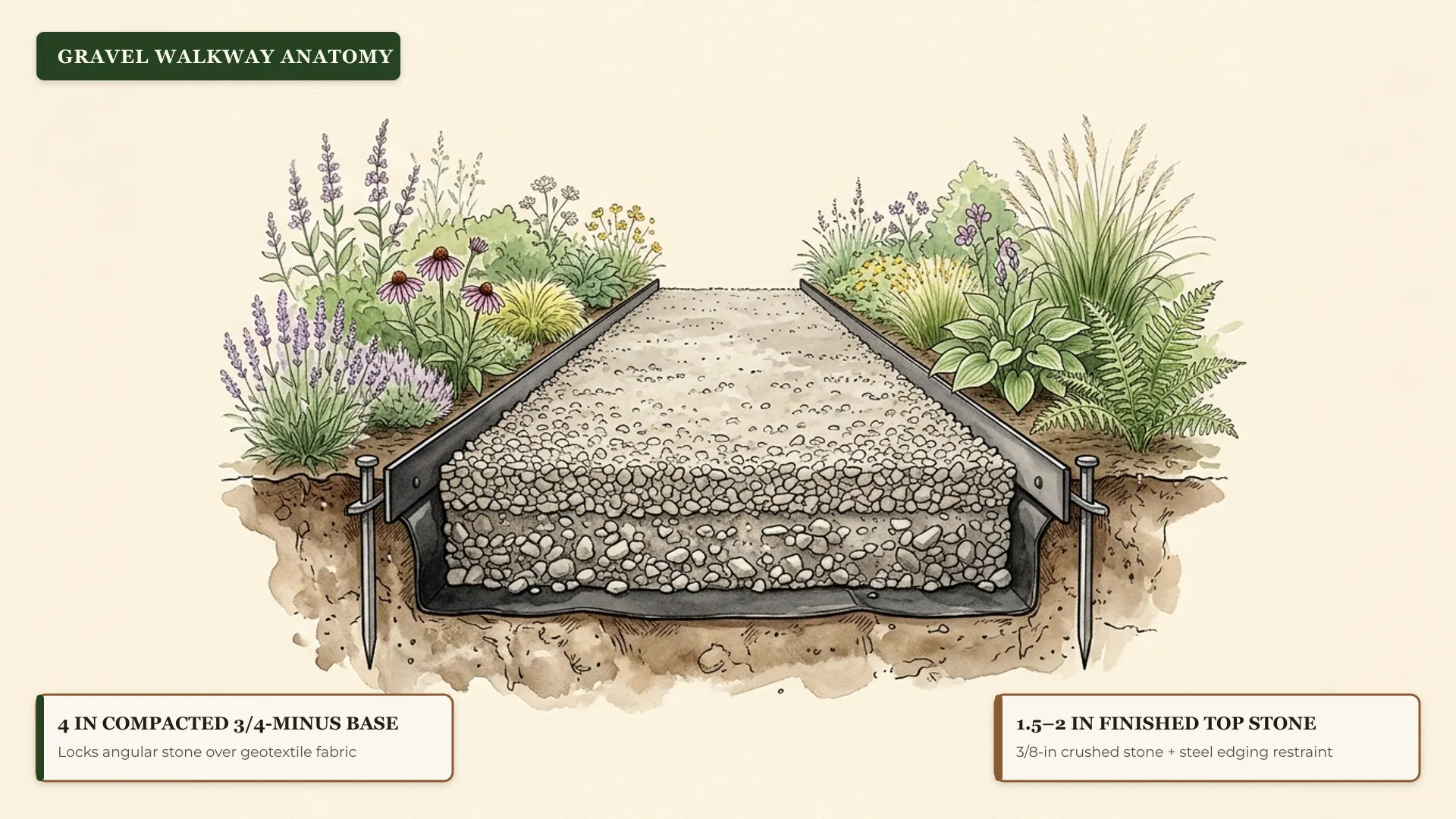
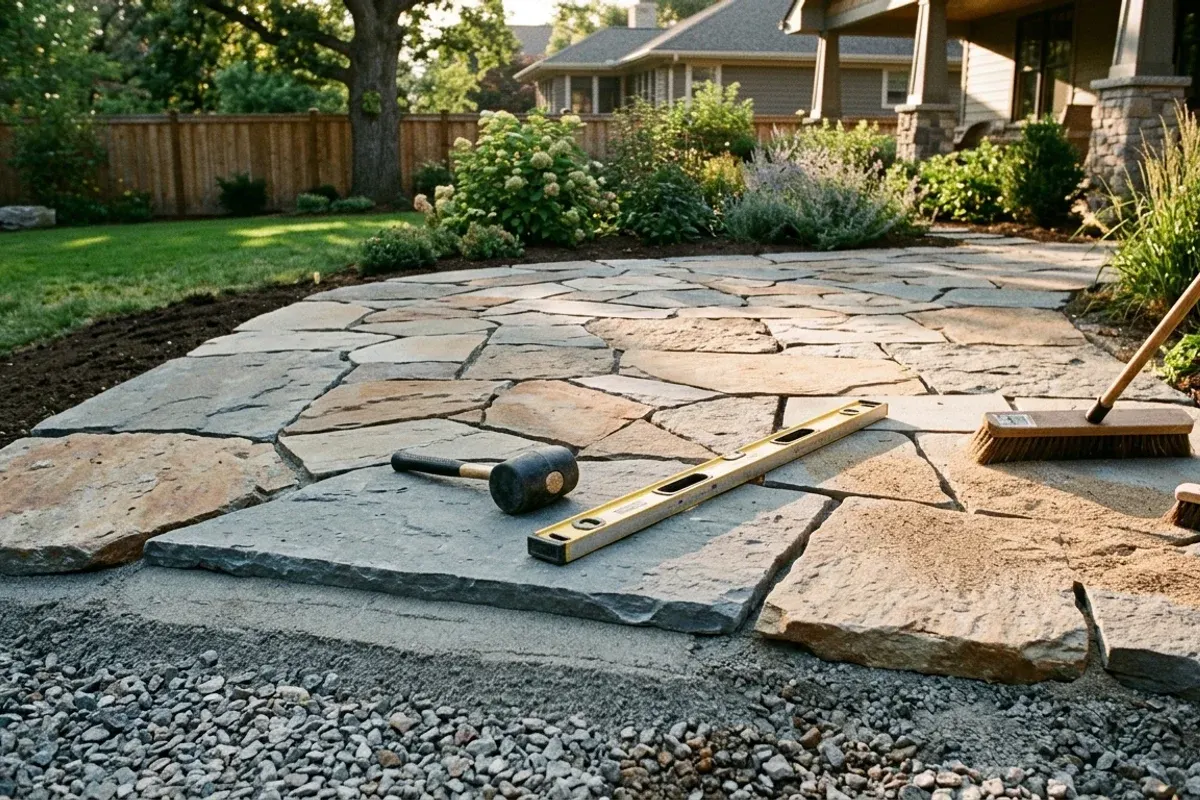
When laying a brick, concrete, or natural stone patio (see our full Paver Path Calculator), sand is never used to fix an uneven gravel sub-base:
- The 1-inch screed rule: Lay two rigid 1-inch outside-diameter steel conduits (
3/4-inchSchedule 40 iron pipes) parallel across your compacted gravel base, pour washed ASTM C33 concrete sand between them, and pull a straight 2×4 screed board across the rails. - Never exceed 1.5 inches of sand: Thick pockets of sand (2 to 3 inches deep) compress unevenly and wash down into the underlying gravel voids, creating sunken ruts along wheel and foot paths.
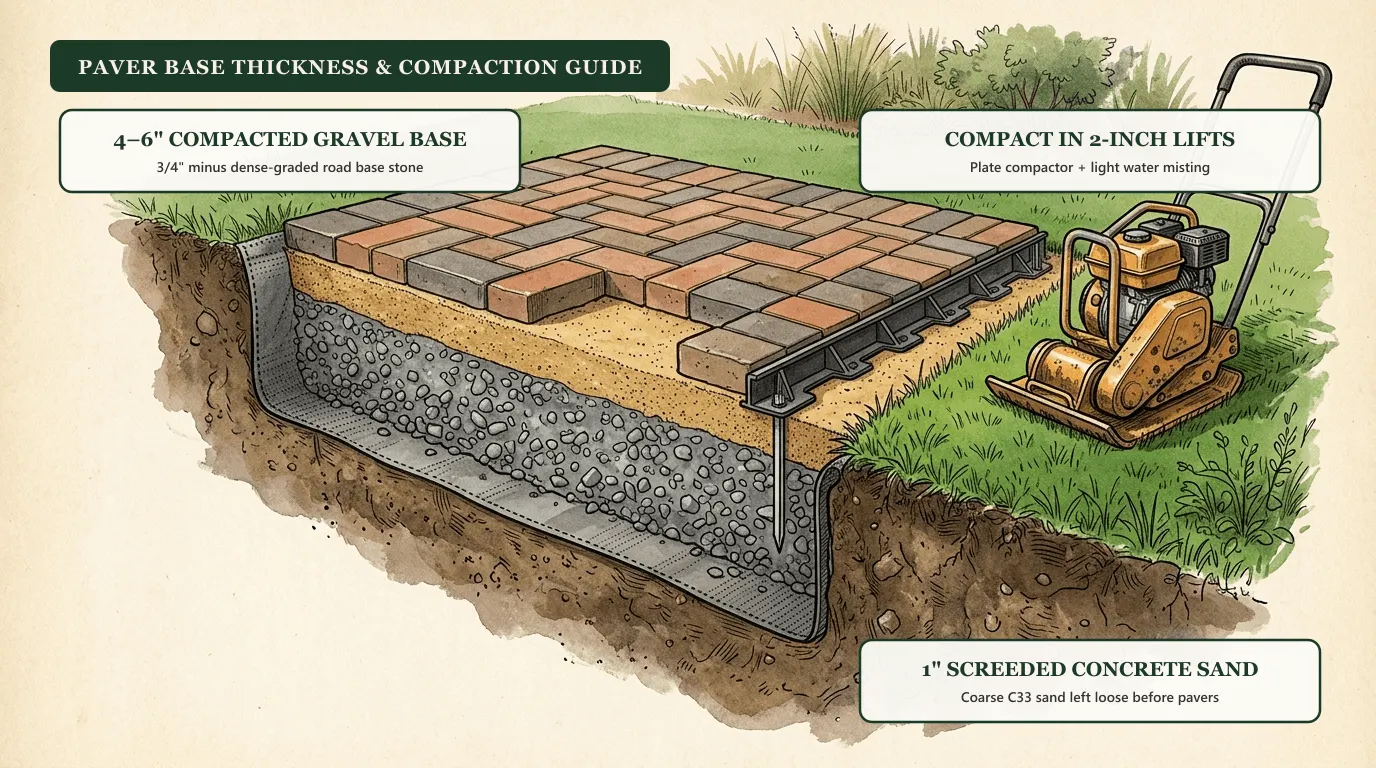
- Compact the pavers into the sand, not the sand by itself: Never run a plate compactor directly on bare screeded sand. Lay your pavers directly onto the fluffy 1-inch screeded sand bed, then run the plate compactor (with a urethane pad) over the tops of the pavers to vibrate them 1/4 inch down into the sand.
Lawn leveling sand: How deep to topdress without smothering grass
Golf course superintendents use fine ASTM C144 masonry sand (or a 70/30 blend of masonry sand and screened compost from our Topsoil Calculator) to fill mower ruts and level bumpy lawns:
- Maximum single-application depth (
1/4"to1/2"): Never bury green grass blades deeper than 0.5 inches in a single pass, or the turf will suffocate from lack of sunlight. Always leave the top third of the grass blade exposed above the sand. - Core aerate first: Run a core aerator over the lawn before spreading leveling sand so the sand fills the vertical aeration channels, permanently improving clay drainage.
- Coverage rule of thumb: 1 cubic yard of sand covers 648 sq ft at 1/2 inch deep (or ~589 sq ft with 10% settling into turf thatch), and 1,296 sq ft at 1/4 inch deep.
FAQ
How much does 1 cubic yard of sand weigh?
One cubic yard (27 cubic feet) of dry washed concrete or masonry sand weighs approximately 2,700 pounds (1.35 US tons), or 100 pounds per cubic foot. Damp bulk sand loaded from an outdoor supply yard weighs 3,000 to 3,200 pounds (1.5 to 1.6 tons) per cubic yard.
How many 50-lb bags of sand are in a cubic yard?
A standard 50-pound retail bag of play sand or all-purpose sand holds 0.5 cubic feet. Because 1 cubic yard equals 27 cubic feet, it takes exactly 54 bags of 50-pound sand to equal 1 cubic yard.
How many bags of play sand do I need for a 6x6 sandbox?
A 6×6-foot sandbox filled 6 inches deep requires 18 cubic feet of play sand exact, or 19.8 cubic feet (40 bags of 50-lb play sand, weighing ~1,924 lbs) with a 10% settling allowance.
What is the difference between concrete sand, masonry sand, and play sand?
Concrete sand (ASTM C33) is coarse, angular washed sand that locks together under pavers without washing away. Masonry sand (ASTM C144) is finely screened, uniform sand used for mortar and lawn leveling. Play sand is finely screened, rounded, dust-free sand safe for children's sandboxes.