Best Soil Mix for Greenhouses & Cold Frames: Winter Recipes

By Efraín Vega · Published November 17, 2026 · Last updated November 19, 2026
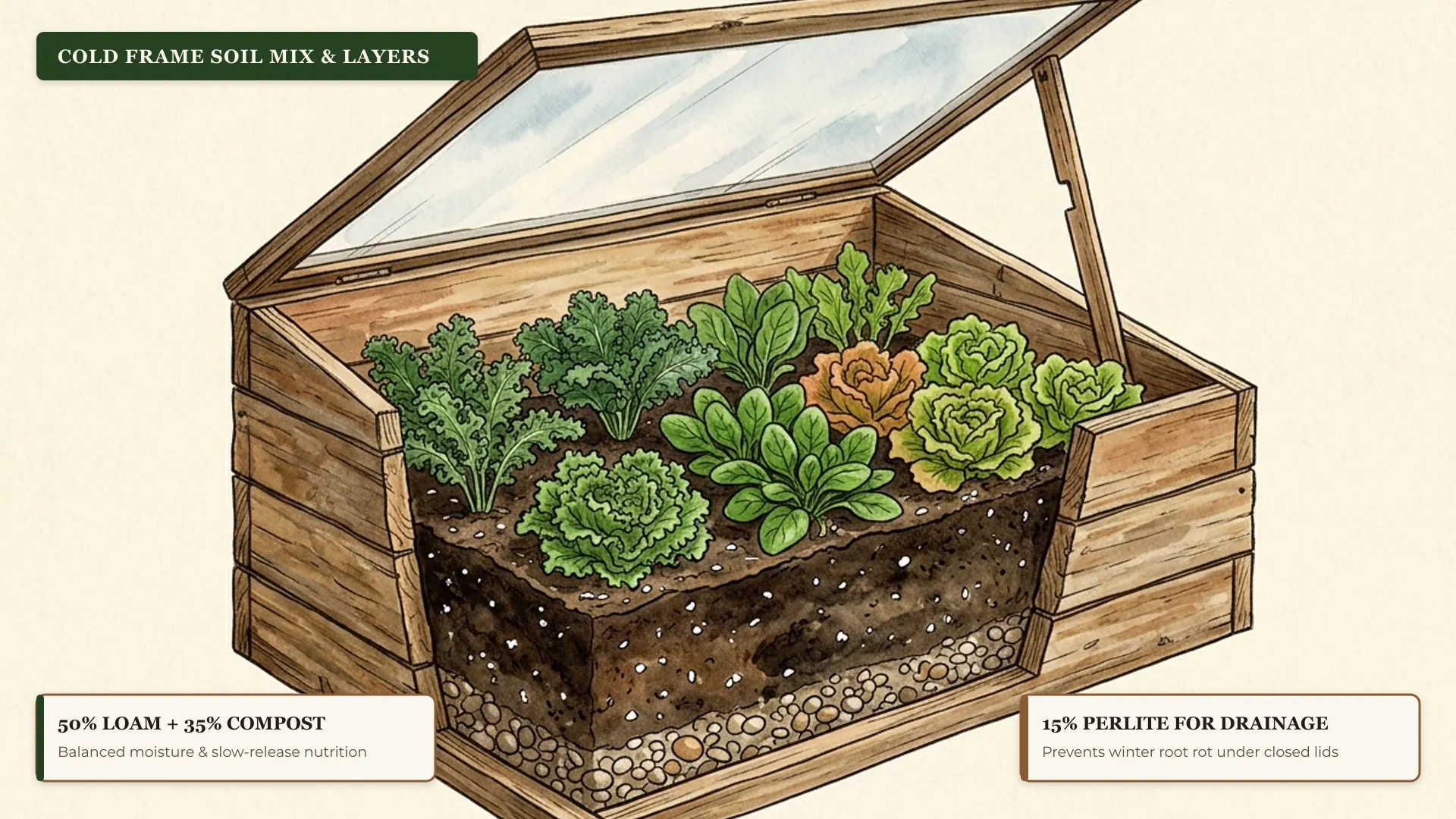
Growing winter crops in an unheated greenhouse or cold frame requires a fundamentally different soil structure than outdoor summer beds.
Because winter sunlight is weak and evaporation rates drop to near zero, normal soil stays cold, wet, and stagnant. When cold soil stays saturated for days, root respiration halts, beneficial bacteria go dormant, and opportunistic water molds (like Pythium and Fusarium) rot winter vegetable roots.
To grow thriving winter greens through hard freezes, your soil mix must prioritize rapid gravitational drainage, high air porosity, and biological thermal capacity.
The Optimal Cold Frame Soil Recipe
The gold-standard winter growing blend consists of three balanced components by volume:
- 40% Moisture-Holding Base (Coconut Coir or Sphagnum Peat Moss): Provides water-holding capacity without compacting. Coconut coir is preferred because its neutral pH (5.8–6.8) requires less liming than naturally acidic peat moss (pH 3.5–4.5).
- 40% Nutrient-Dense Aged Compost (or Vermicompost): Provides slow-release macronutrients (N-P-K), trace minerals, and a diverse community of beneficial microorganisms that buffer root zones against temperature shock.
- 20% Coarse Aeration Aggregate (Horticultural Perlite or Pumice): Expanded volcanic glass creates permanent macroscopic air pores. Even when the bed is watered to field capacity, perlite preserves 25% to 30% oxygen space around root hairs.
Stratified Bed Layering (Bottom to Top)
For wooden cold frames built directly over ground or inside unheated high tunnels:
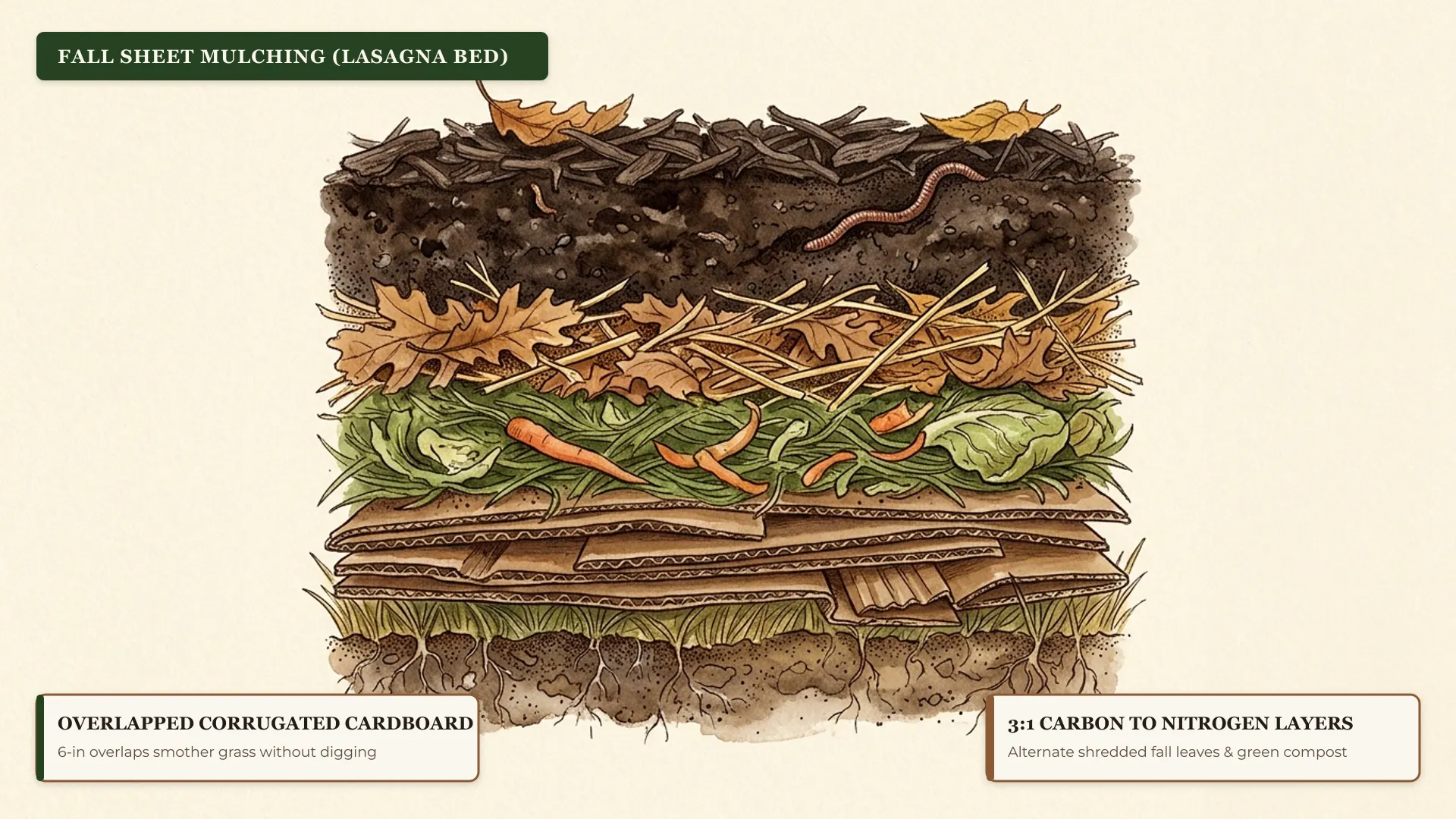
- Hardware Cloth Base (Bottom Layer): Staple 1/2-inch galvanized steel mesh across the bottom of the frame to prevent burrowing voles and mice from nesting in the warm winter soil.
- Coarse Gravel / Branch Drainage Layer (1–2 inches): A thin layer of clean #57 gravel or wood shavings prevents soil from settling directly onto hardpan clay.
- Thermal Hotbed Layer (Optional, 4–6 inches): In severe northern climates (Zones 3–5), pack fresh straw mixed with high-nitrogen manure or coffee grounds beneath the growing medium. Active microbial breakdown raises root-zone temperatures by 5°F to 15°F for 4 to 8 weeks.
- Active Growing Blend (8–12 inches): The 40/40/20 compost-coir-perlite mix leveled to within 4 inches of the glass sash.
Cold Frame Soil Recipe Comparison
| Mix Blend | Drainage Speed | Winter Heat Retention | Compaction Resistance | Best For |
|---|---|---|---|---|
| 40% Compost / 40% Coir / 20% Perlite (Recommended) | Fast | High (Dark humus absorbs heat) | Excellent | All winter greens, brassicas, radishes |
| 50% Topsoil / 50% Compost | Moderate | Medium | Fair (Can crust over under glass) | Raised beds with natural summer drying |
| Mel's Mix (1/3 Peat, 1/3 Vermiculite, 1/3 Compost) | Moderate | High | Good (Vermiculite holds more water) | Spring seed starting and summer crops |
| Native Topsoil + Bagged Potting Mix | Slow | Low | Poor (Risk of anaerobic root rot) | Not recommended for enclosed winter frames |
Managing Moisture in Winter Cold Frames
Watering cold frame soil is the opposite of summer watering:
- Water only on sunny mornings: Never water in late afternoon; cold water sitting on plant crowns overnight creates fungal outbreaks.
- Water deeply once every 10 to 14 days: In cold weather, seedlings transpire at roughly 10% of their summer rate. If the top 1 inch of soil feels cool and damp, do not water.
- Vent on bright days: When temperatures inside the frame exceed 55°F (13°C), prop the glass sash open with a notched stick to release humid air and prevent mold.
Calculate soil volumes for your cold frame or greenhouse beds using our Topsoil & Soil Mix Calculator or Raised Bed Soil Calculator. Ready to construct a full walk-in winter growing sanctuary? Follow our complete woodworking blueprints on How to Build a DIY Lean-To Greenhouse featuring 8mm twin-wall polycarbonate glazing and automatic solar roof ventilation.
FAQ
Can I use regular garden dirt in a cold frame or greenhouse?
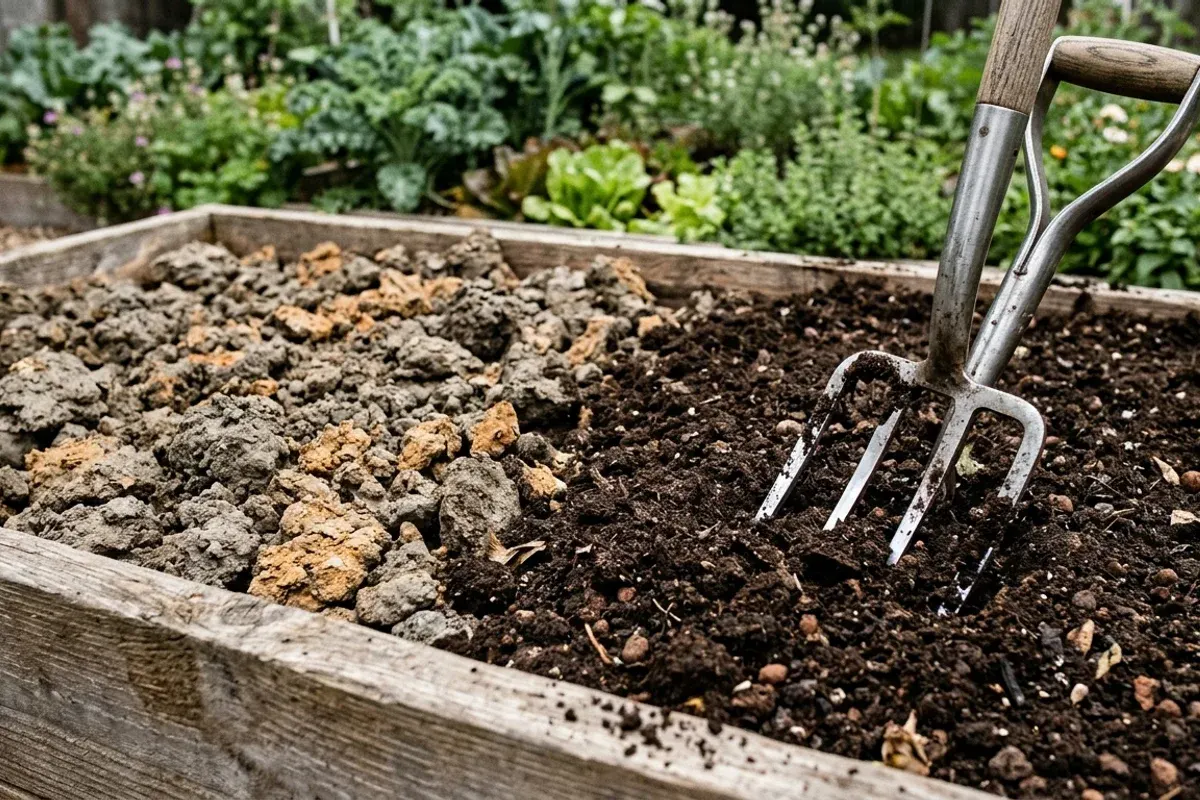
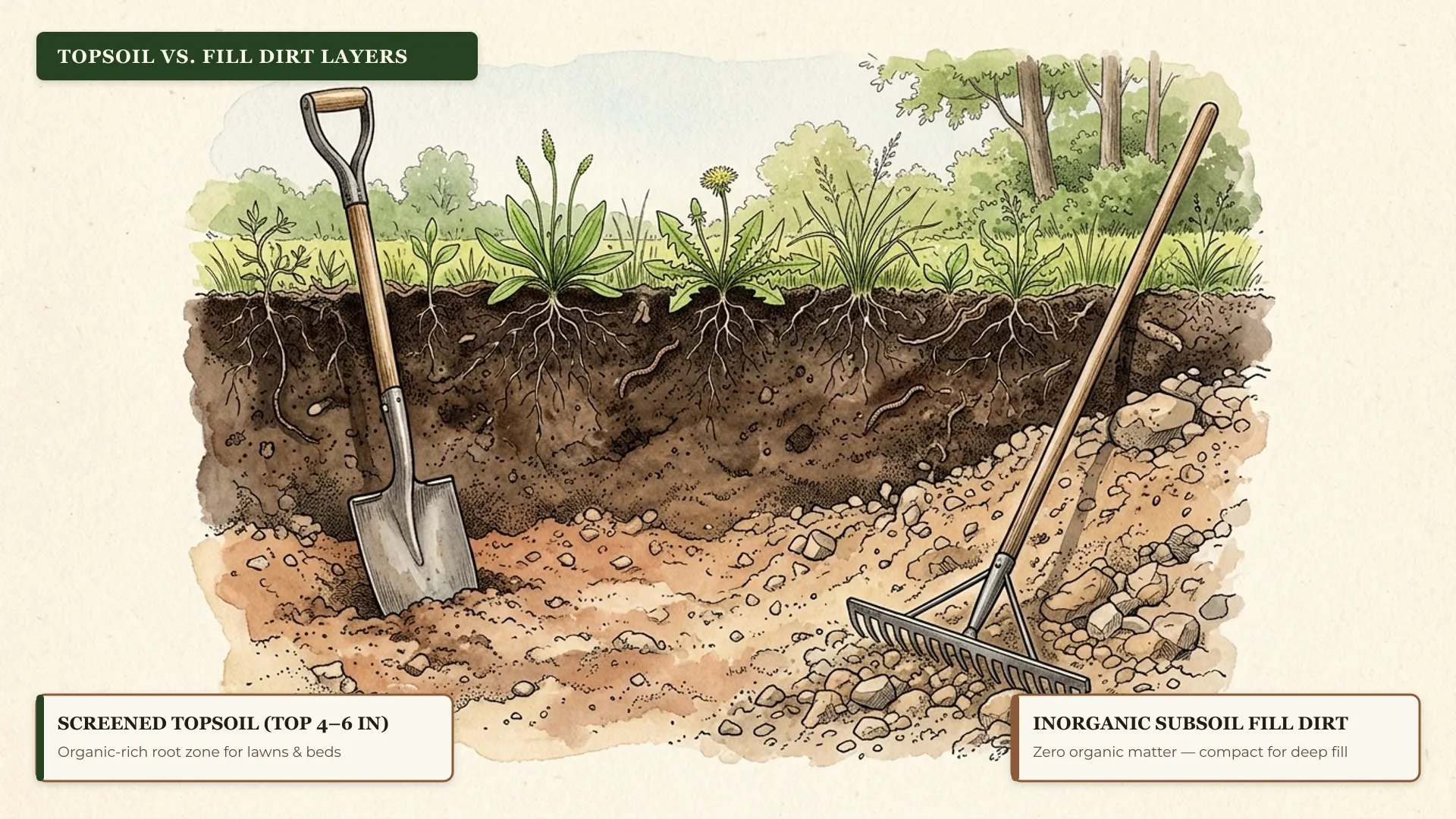
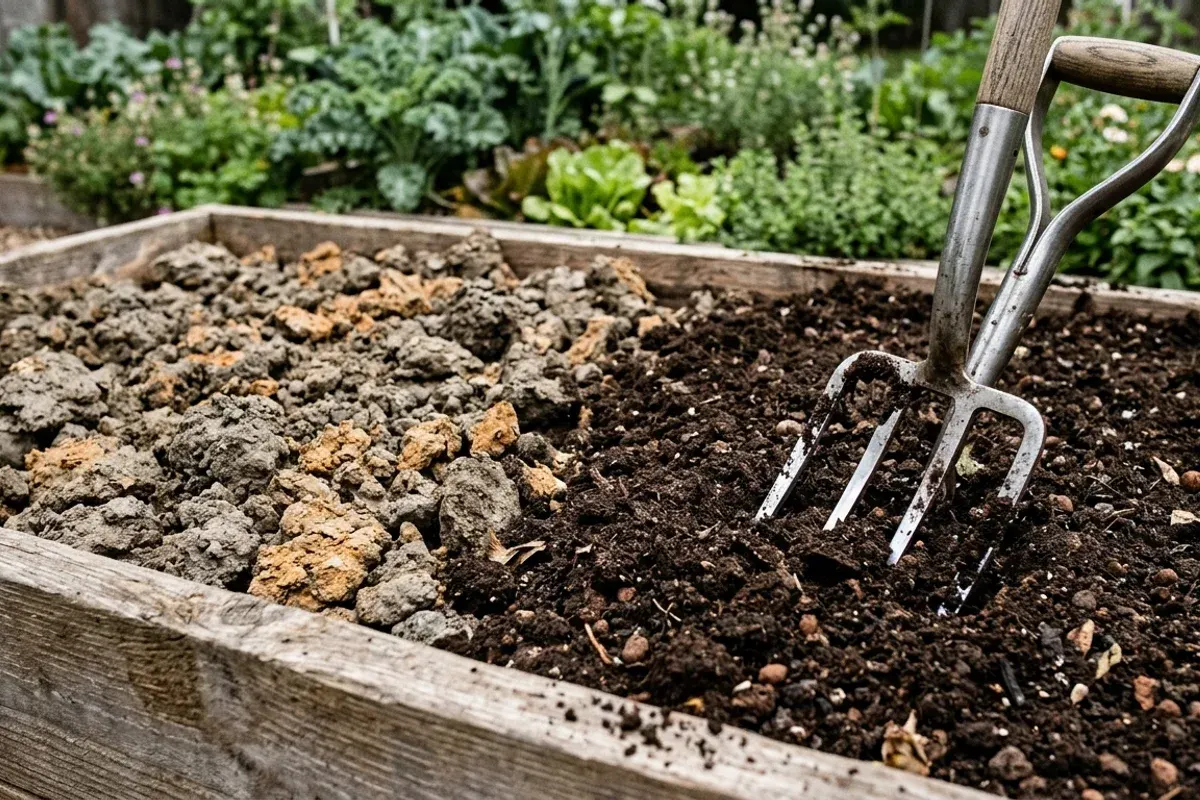
No. Native garden soil contains heavy clay, weed seeds, and soil-borne fungal spores. In the humid, enclosed microclimate of a winter cold frame or unheated greenhouse, native soil packs into an airtight, anaerobic block that suffocates plant roots and breeds damping-off disease.
What is the best soil recipe for a winter cold frame?
The optimal winter blend is 40% well-aged compost or worm castings, 40% coconut coir or sphagnum peat moss, and 20% coarse perlite or horticultural pumice. This ratio holds adequate moisture without waterlogging, provides lightweight aeration, and stays loose even in freezing weather.
How deep should the soil be in a cold frame?
A minimum depth of 8 to 10 inches is recommended for shallow-rooted winter salad greens (spinach, lettuce, radishes, arugula). For overwintering root vegetables like carrots, beets, or leeks, provide 12 to 14 inches of loose, friable soil mix.
How do you keep cold frame soil warm in winter?
Build a 'hotbed' by excavating 8 inches below the soil mix and burying a 6-inch layer of fresh horse manure or active straw compost underneath. The biological decomposition generates natural thermal bottom heat for 6 to 8 weeks, warming roots even when outdoor air is below freezing.