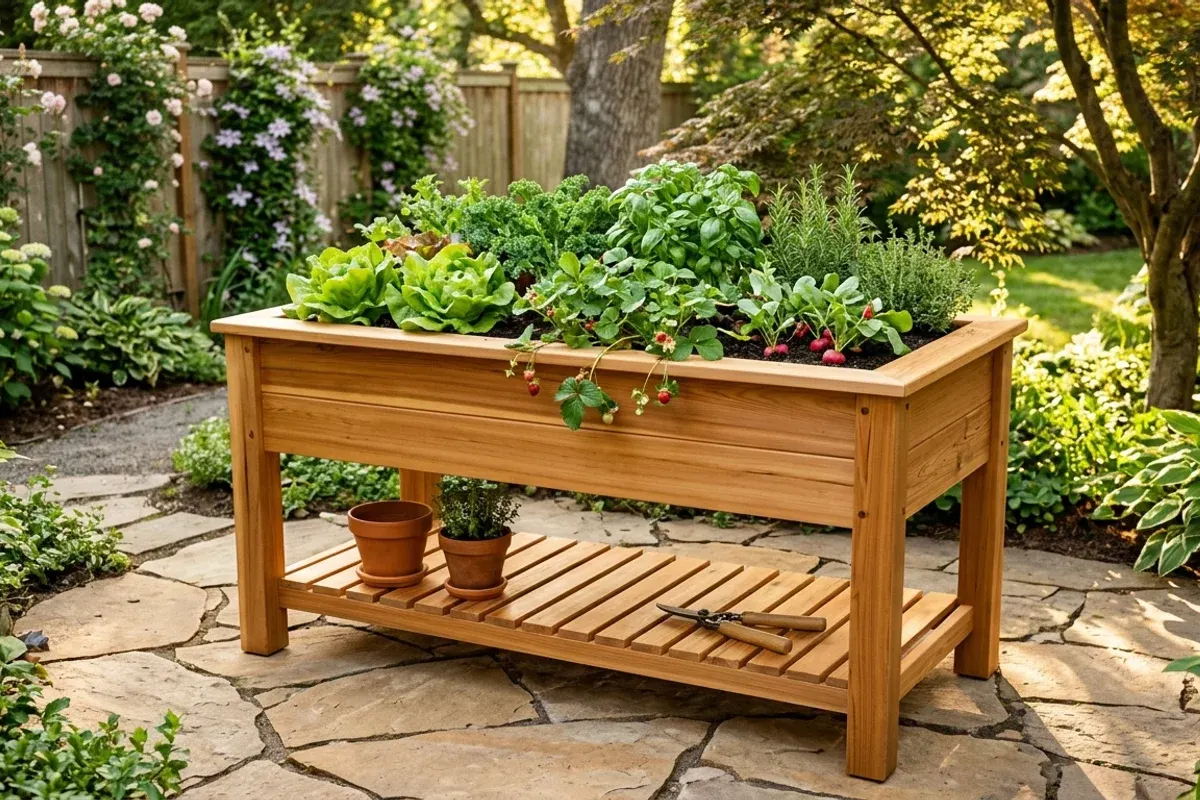
Best Soil Depth for Raised Bed Vegetables: Plant Root Guide

By Efraín Vega · Published November 23, 2026
One of the most expensive mistakes first-time gardeners make is building raised beds either too shallow for their favorite crops or unnecessarily deep and wasting hundreds of dollars on bagged soil.
A vegetable's root system directly dictates its above-ground vigor, fruit yield, and drought resistance. Match your bed's lumber height to the biological rooting profile of what you plan to grow.
Vegetable Root Depth Breakdown
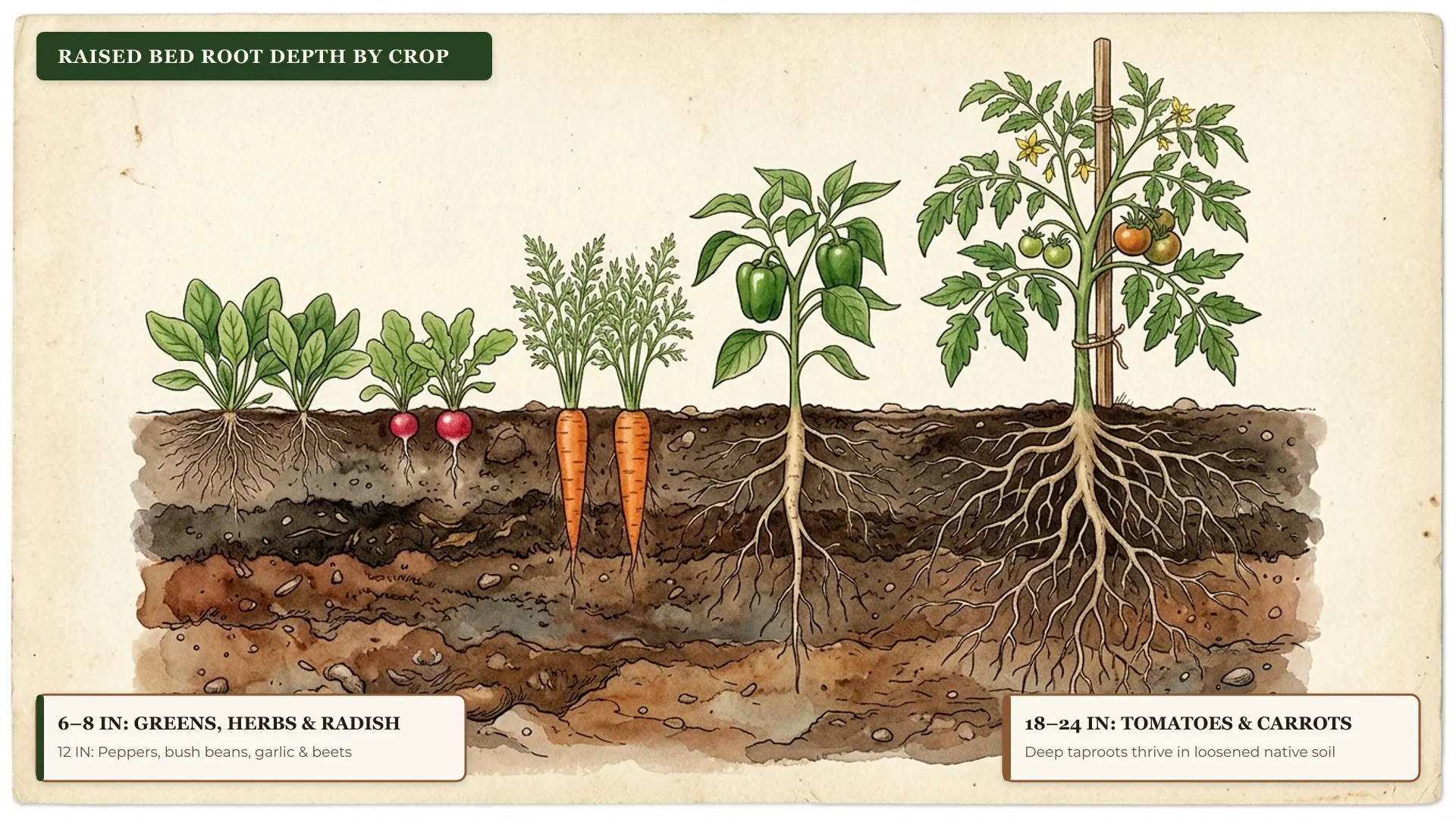
Vegetable crops fall into three distinct rooting categories:
1. Shallow-Rooted Vegetables (6 to 8 Inches Minimum)
These plants develop fibrous root systems concentrated in the top 6 inches of soil. They thrive in shallow beds (or single 2×8 board frames):
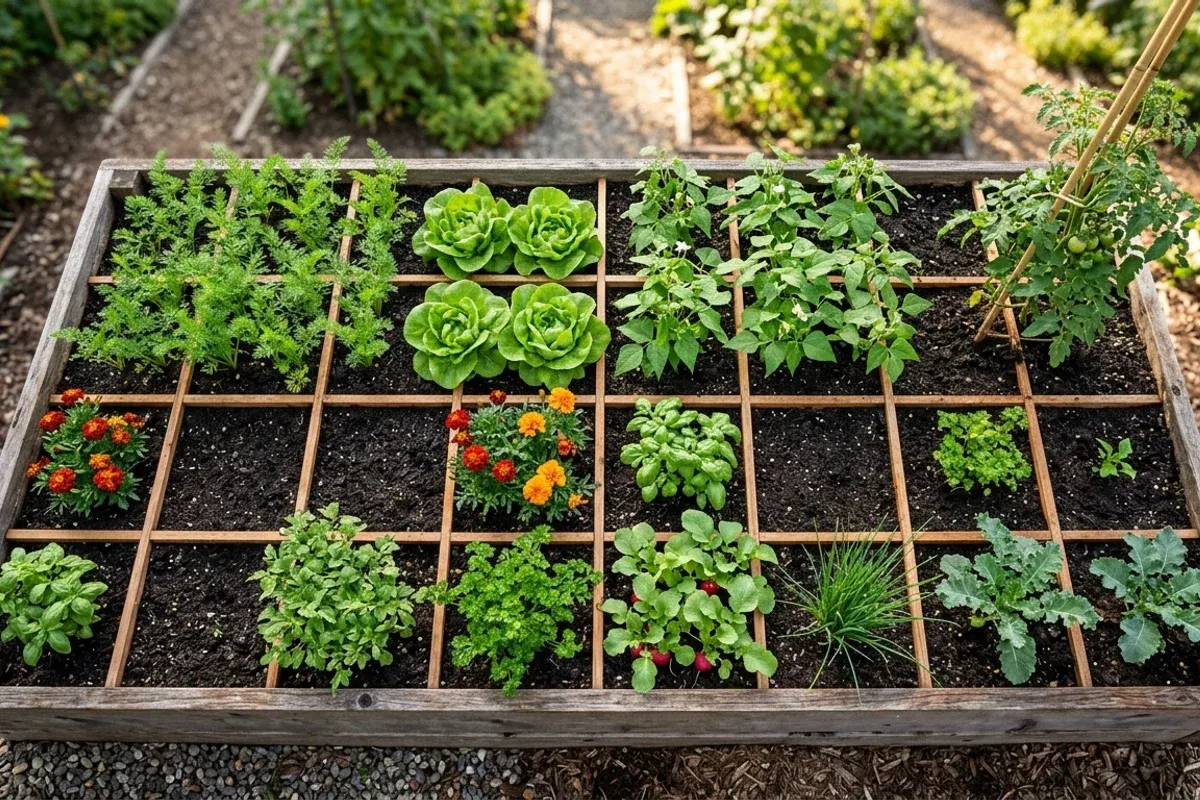
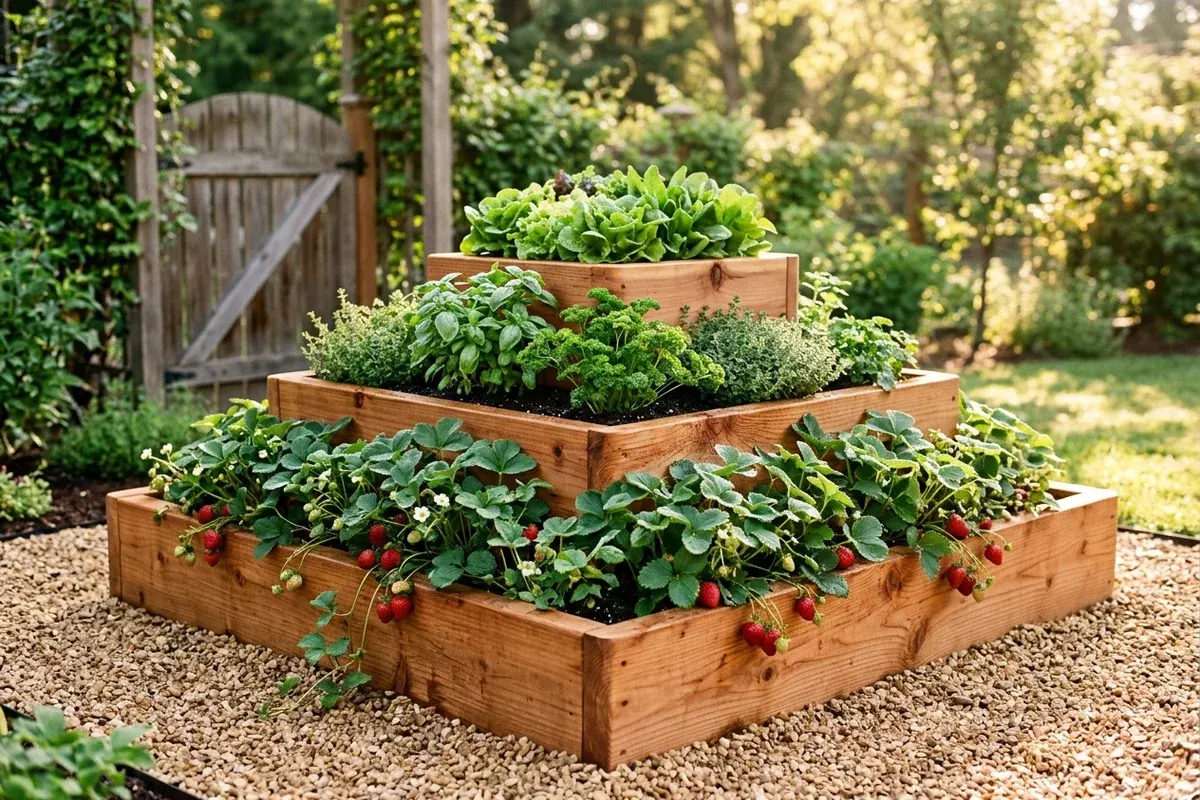
- Crops: Lettuce, spinach, arugula, Swiss chard, radishes, green onions (scallions), strawberries, garlic, herbs (cilantro, basil, parsley, thyme).
- Minimum Bed Depth: 6 to 8 inches.
- Watering Note: Requires frequent, light surface watering because the upper 4 inches of soil dry out first.
2. Medium-Rooted Vegetables (10 to 12 Inches Minimum)
The workhorse crops of the home vegetable garden need at least 10 to 12 inches of loose, friable soil to produce straight taproots and sturdy stems:
- Crops: Carrots, beets, turnips, bush beans, pole beans, broccoli, cauliflower, cabbage, kale, bell peppers, jalapeños, onions, cucumber.
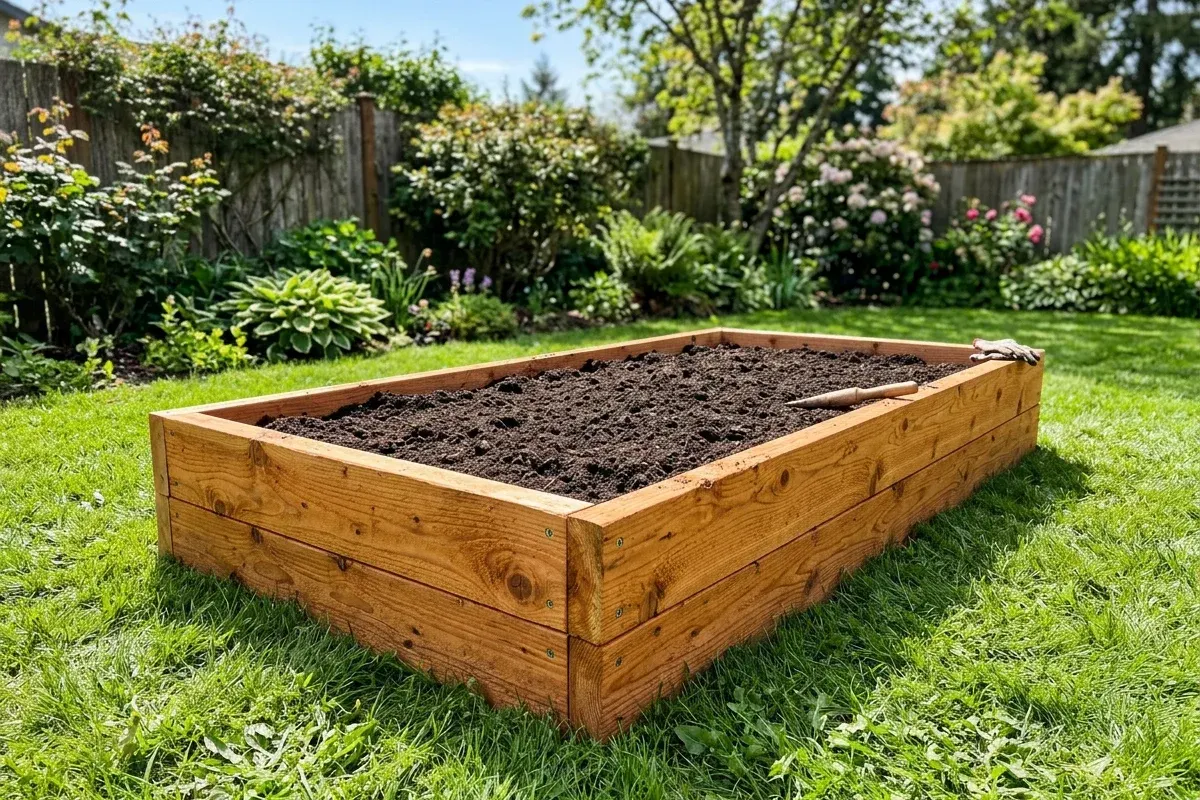
- Minimum Bed Depth: 10 to 12 inches (standard two-board 2×6 or 2×8 frame).
- Pro Tip for Carrots: For long Nantes or Imperator carrot varieties (7 to 9 inches long), provide at least 12 inches of stone-free, compost-rich soil so roots don't fork or stunt.
3. Deep-Rooted Vegetables (18 to 24+ Inches)
Heavy-feeding, large-stature crops send expansive taproots deep into the earth in search of moisture and trace minerals:
- Crops: Indeterminate tomatoes, winter squash (butternut, acorn), pumpkins, melons, sweet potatoes, okra, asparagus, rhubarb, artichokes.
- Minimum Bed Depth: 18 to 24 inches (if placed over hard clay, stone, or patio pavers) or 12 inches if the bed bottom is open to loose native subsoil.
Complete Raised Bed Vegetable Root Chart
| Vegetable | Root Category | Effective Root Depth | Ideal Bed Height (Over Hardpan) |
|---|---|---|---|
| Radish / Salad Greens | Shallow | 4 – 6 inches | 6 – 8 inches |
| Garlic & Scallions | Shallow | 6 – 8 inches | 8 – 10 inches |
| Strawberries | Shallow | 6 – 8 inches | 8 – 10 inches |
| Carrots & Beets | Medium | 10 – 12 inches | 12 – 14 inches |
| Bell Peppers & Chilies | Medium | 10 – 14 inches | 12 – 16 inches |
| Broccoli & Cabbage | Medium | 12 – 16 inches | 14 – 16 inches |
| Bush & Pole Beans | Medium | 10 – 14 inches | 12 – 14 inches |
| Heirloom Tomatoes | Deep | 24 – 36 inches | 18 – 24 inches |
| Winter Squash & Melons | Deep | 24 – 36 inches | 18 – 24 inches |
| Sweet Potatoes | Deep | 18 – 24 inches | 18 – 24 inches |
| Asparagus (Perennial) | Deep | 36 – 48 inches | 20 – 24 inches |
Building Over Hardpan Clay vs Lawn vs Concrete
Where your raised bed sits dictates how deep your wooden frame must be:
- Over Normal Lawn / Tilled Soil: You can build a standard 10 to 12-inch bed. The open bottom allows deep roots (like tomatoes and squash) to punch through into the subsoil below while keeping shallow feeder roots in the warm, amended topsoil.
- Over Heavy Compacting Clay or Shale: Build at least 14 to 16 inches tall. Dense clay acts like a clay pot, trapping winter water and creating an anaerobic bathtub effect if beds are too shallow.
- Over Concrete, Pavers, or Rooftops: Build 18 to 24 inches tall. When roots hit impermeable concrete, they hit a hard thermal barrier that heats up in summer and freezes in winter. Deep soil provides essential thermal insulation.
To calculate exact board sizes, corner brackets, and screws for your desired depth, use our Raised Bed Lumber Calculator.
For exact cubic yards and retail bag counts of soil mix, visit our Raised Bed Soil Calculator.
FAQ
Is a 6-inch raised bed deep enough for vegetables?
A 6-inch bed is deep enough for shallow-rooted crops like salad greens (spinach, lettuce, arugula), radishes, green onions, and strawberries, provided the native soil underneath is tilled or loose. However, if building over hardpan clay, rock, or concrete, a 6-inch bed is too shallow for carrots, peppers, brassicas, or tomatoes, which will become root-bound and drought-stressed.
What is the best overall depth for a raised garden bed?
10 to 12 inches is the ideal sweet spot for most home gardeners (typically constructed with two stacked 2×6 or 2×8 boards). This depth easily accommodates 90% of popular backyard vegetables—including root crops like carrots and beets, heavy-feeding brassicas, and bush beans—while keeping soil purchase costs reasonable.
How deep do tomato roots grow in a raised bed?
Vigorous indeterminate heirloom tomato plants easily send taproots 24 to 36 inches deep and spread feeder roots 2 feet laterally. If growing over impenetrable subsoil or a patio, build your raised beds at least 18 to 24 inches tall to maximize yield, fruit size, and moisture resilience during summer heatwaves.
What happens if raised bed soil is too shallow?
Shallow soil dries out rapidly on sunny afternoons, requiring multiple waterings per day. It limits root biomass, resulting in stunted top growth, nutrient deficiencies, and blossom end rot (due to inconsistent calcium uptake caused by moisture swings).