How to Build a Compost Bin: Size, Ratios & What to Add

By Efraín Vega · Published October 9, 2026
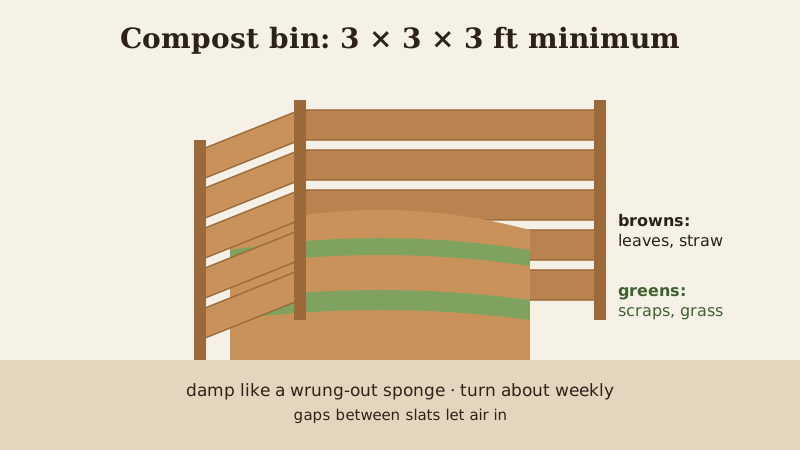
A good compost bin is at least 3 × 3 × 3 feet and no bigger than about 5 × 5 × 5 feet (Clemson Extension). Fill it with a mix of browns (leaves, straw) and greens (kitchen scraps, grass clippings), keep it as damp as a wrung-out sponge, and turn it about once a week for the fastest compost.
How big should a compost bin be?
Clemson Extension recommends a pile of at least 3 feet by 3 feet by 3 feet — about a cubic yard — and no larger than 5 feet on a side. Smaller piles have trouble holding heat; bigger ones don't get enough air to the middle.
A 3-sided wooden bin that's 3 ft on each side is the classic backyard size. Leave one side open, or make it from removable boards so you can turn and empty the pile. The Compost Bin Calculator gives the capacity, posts and slat boards for any size.
What goes in compost?
| Browns (carbon) | Greens (nitrogen) | Keep out |
|---|---|---|
| Fall leaves | Fruit and vegetable scraps | Meat and fish |
| Straw | Grass clippings | Dairy |
| Wood chips | Coffee grounds | Oils and grease |
| Shredded paper | Fresh garden trimmings | Pet and animal waste |
| — | — | Weed seeds, diseased plants |
Categories from Clemson Extension. Aim for a mix: too many greens turn the pile smelly and slimy, too many browns make it slow. Chopping or shredding everything speeds it up.
How do you build a compost bin?
For a simple 3 × 3 ft slatted bin:
- Set 4 posts at the corners of a 3 ft square, on level ground with good drainage.
- Screw slats to three sides, leaving a small gap between boards for air.
- Leave the front open, or add slats that slide into grooves so you can remove them.
- Start the pile with a layer of coarse browns (small branches, straw) for airflow at the bottom.
Wood is the easiest material; welded wire mesh or pallets also work. A lid or tarp keeps heavy rain from soaking the pile.
Stockpile leaves in fall
Browns run short in summer. Bag or pile extra fall leaves next to the bin and add them all year whenever you add scraps. See how to use fall leaves in the garden.
How do you keep compost working?
- Moisture: it should feel like a wrung-out sponge or damp rag (Clemson Extension). Add water in dry spells; add browns if it's soggy.
- Air: turn the pile about weekly with a digging fork, or poke holes in it with a tool handle.
- Heat: a well-built pile heats up on its own. Clemson Extension notes it needs to reach over 140°F to kill pathogens and weed seeds — which is why diseased plants and weeds with seeds stay out of most home piles.
Compost is ready when it's dark, crumbly and smells like soil, and you can't recognize what went in. Fast, well-turned piles finish much sooner than piles left alone.
Sources: Composting — Clemson HGIC.
FAQ
How big should a compost bin be?
At least about 3 × 3 × 3 feet and no bigger than about 5 × 5 × 5 feet. Clemson Extension notes smaller piles have trouble holding heat and bigger piles don't get enough air.
What should not go in a home compost pile?
Meat, dairy, oils and grease, pet or animal waste, weed seeds and diseased plants (Clemson Extension). They attract pests, smell, or carry pathogens a home pile may not kill.
How often should I turn compost?
About weekly if you want fast compost, using a garden fork. Clemson Extension suggests poking the pile with a tool handle if turning isn't practical. Unturned piles still compost, just more slowly.
Why does my compost smell?
Usually too wet or too many greens. Mix in dry browns like shredded leaves or straw, and turn the pile to let air in.