How to Use Fall Leaves in the Garden: Mulch, Leaf Mold & Compost

By Efraín Vega · Published October 7, 2026
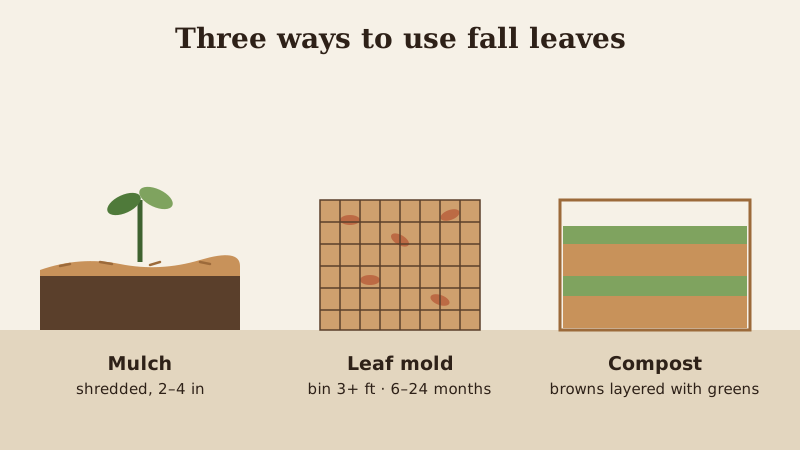
Fall leaves are free garden material. Shred them and spread a 2–4 inch layer as mulch, pile them in a bin to make leaf mold, or layer them into compost as the "brown" ingredient. Any of the three beats bagging them for the curb.
How do you use leaves as mulch?
Shred them first. Penn State Extension notes shredded leaves mat down less than whole ones, and Illinois Extension warns that whole leaves can clump into a mat that keeps water from reaching the soil.
Then spread a 2- to 4-inch layer around trees and shrubs or on perennial beds (Penn State Extension). Watering after you spread them helps hold them in place. By spring, much of it will have broken down.
The easiest shredder is a lawn mower: mow over the leaves, ideally with a bagging attachment.
Protecting plants for winter
Illinois Extension suggests waiting to pile leaves over plant crowns until temperatures are consistently below freezing. Mulching too early can keep plants from hardening off.
How do you make leaf mold?
Leaf mold is simply decomposed leaves: dark, crumbly and earthy, great for improving soil. Penn State Extension's method:
- Build a bin of wood or wire, 3–6 feet across and at least 3 feet tall.
- Fill it with leaves, packing them down.
- Water them and leave the pile alone.
Whole leaves take a couple of years. Shredding them first and turning the pile occasionally speeds it up to 6–12 months (Penn State Extension).
How do you compost leaves?
Leaves are a carbon-rich "brown" material, and most compost piles need more browns than people have in summer. Penn State Extension recommends stockpiling extra leaves in fall and adding them to the compost through the year, layered with fresh "green" material like vegetable scraps and grass clippings.
A bin about 3 feet on each side is a good size for a home pile.
Can you dig leaves into garden beds?
Yes. Illinois Extension notes that working a 6–8 inch layer of leaves into garden soil in fall increases its organic matter. Shredded leaves break down much faster, and fall is the right time so they've decomposed by spring planting.
Should you leave some leaves alone?
Illinois Extension points out that butterflies, bees, salamanders and toads rely on leaf litter to get through winter. Leaving leaves under shrubs or in a back corner of the yard gives them a place to overwinter.
To figure out how much leaf mulch covers your beds, use the Mulch Calculator; for a leaf or compost bin, the Compost Bin Calculator gives capacity and lumber.
Sources: Leaves Are Treasure, Not Trash — Penn State Extension, How to reuse fallen leaves at home — Illinois Extension.
FAQ
Should I shred leaves before using them as mulch?
Yes. Whole leaves mat into a layer that can block water, while shredded leaves stay in place and break down faster. Running a mower over them is the easiest way to shred.
How long does leaf mold take?
About a couple of years for a pile of whole leaves left alone. Penn State Extension notes shredding and turning can speed that up to 6–12 months.
Can I leave leaves on the lawn?
A thin layer, yes. Penn State Extension says up to about half an inch of chopped leaves is beneficial to the lawn; mow over them so you can still see the grass.
Are any leaves bad for the garden?
Leaves from diseased plants are best kept out of beds. Otherwise most tree leaves work well, especially shredded.